
Dental Bridges in Fayetteville, NC
Dental Bridges in Fayetteville — A Reliable Fix on a Schedule That Works
Around Fayetteville and Fort Bragg, plenty of the people we treat don’t fully own their own calendars. Deployments, field time, and PCS orders can turn a leisurely treatment plan into a problem. A dental bridge fits that reality well: it closes the gap left by a missing tooth with a fixed, lab-made restoration on a dependable two-to-four-week timeline, so you can start and finish before the next thing on your orders. At O2 Dental Group of Fayetteville on Skibo Road, we build both traditional and implant-supported bridges in-house, and we plan them around your schedule rather than the other way around.
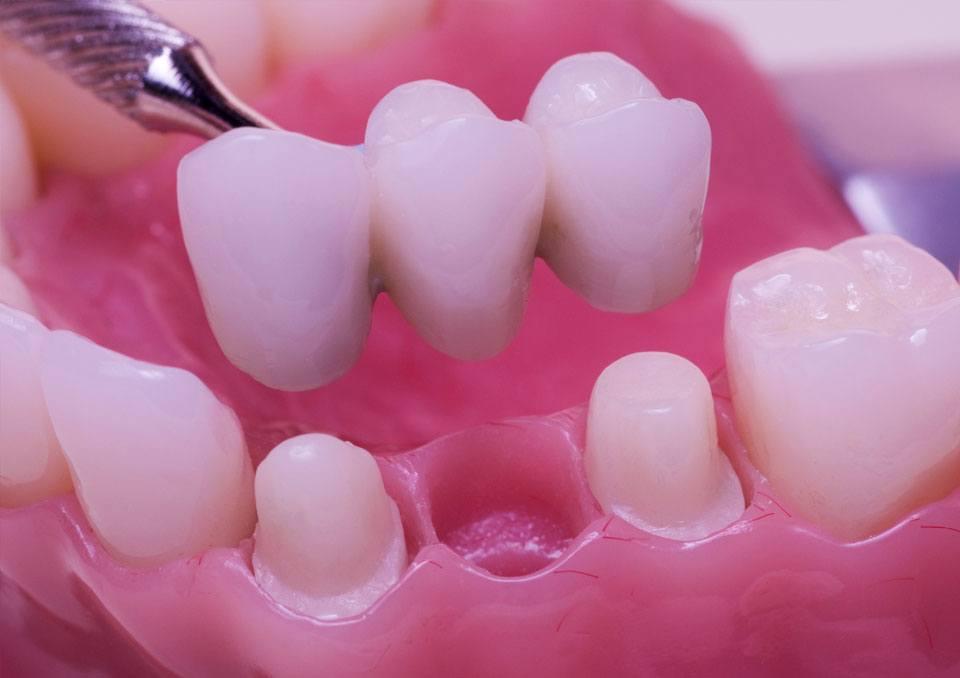
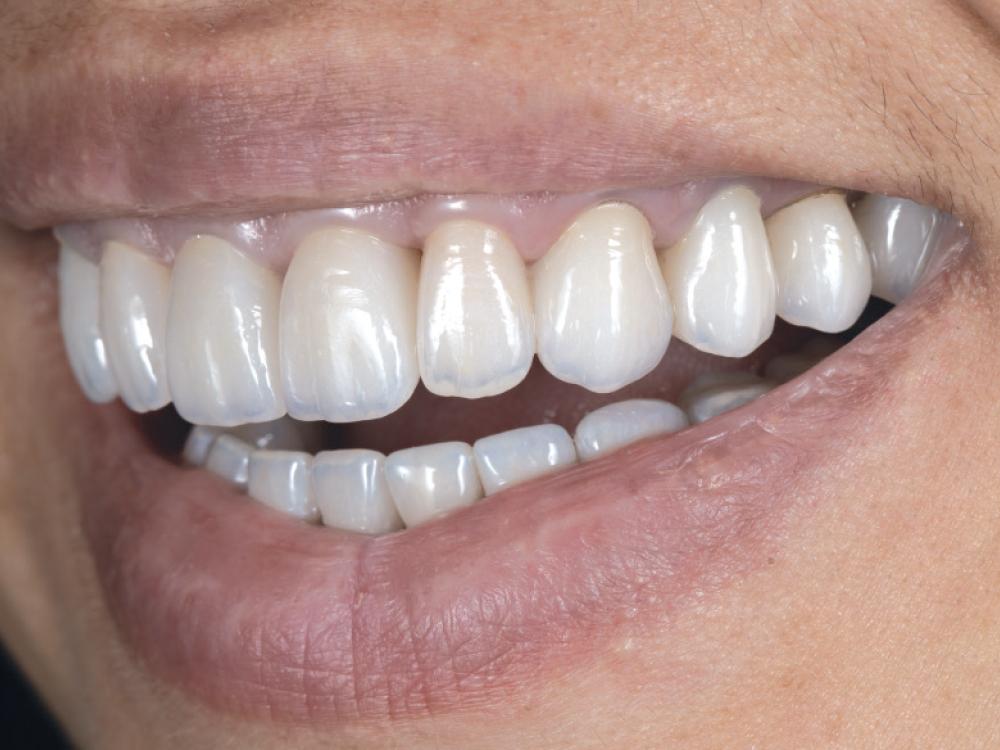
The mechanics are straightforward. A replacement tooth is fixed to the two standing teeth that frame the gap, restoring your bite and your smile without anything removable. For a service member who needs a solution that’s finished, sturdy, and low-fuss, that’s often exactly the right profile.
Caring for an Implant-Supported Bridge
Learn how to properly care for your implant-supported bridge to keep your implants healthy and your restoration functioning for years to come. This video demonstrates effective cleaning techniques, recommended hygiene tools, and daily maintenance tips to help prevent plaque buildup and protect the surrounding gums and implants.
Share with Patient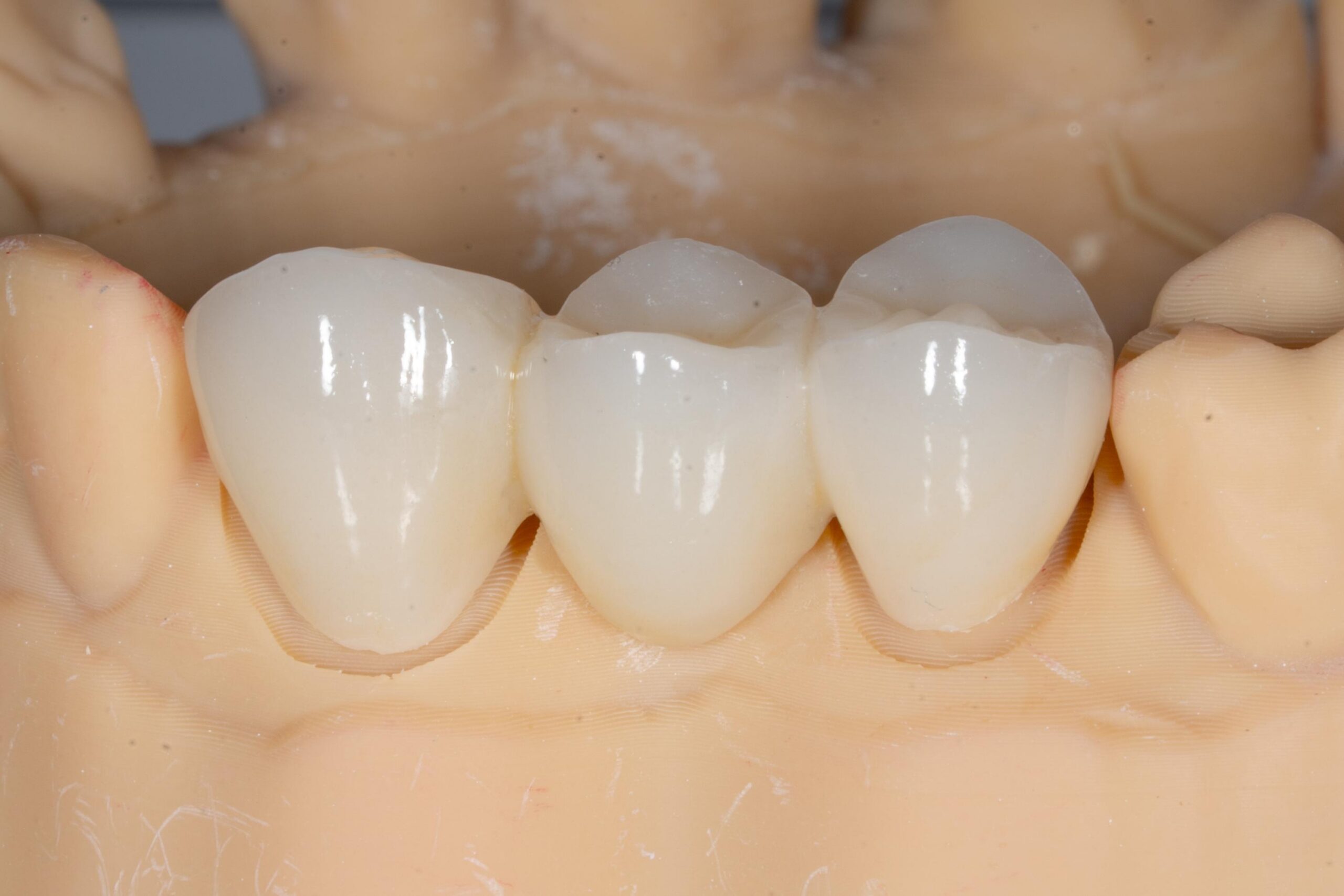
Choosing When Your Time Isn't Fully Your Own
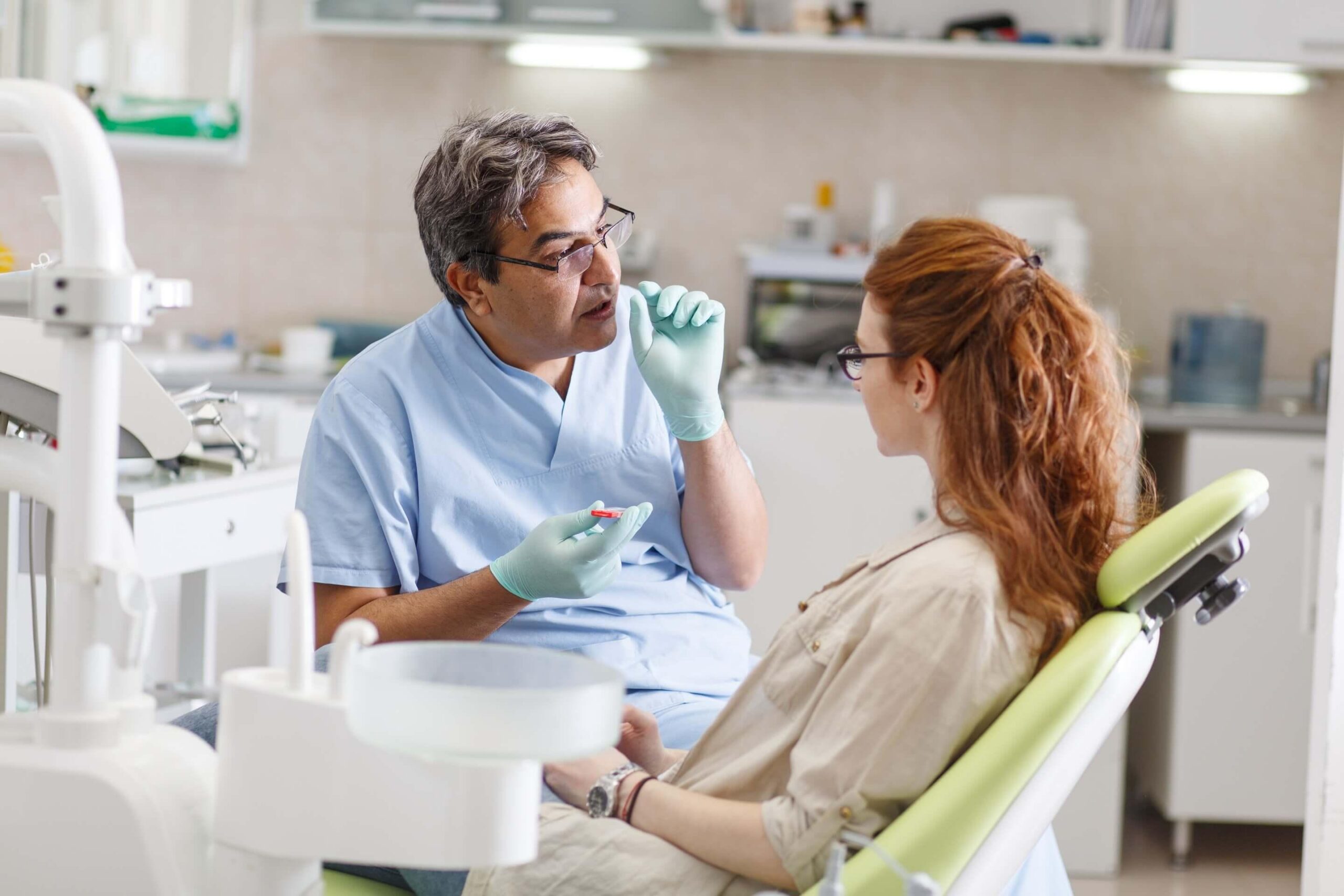
Timeline is the quiet deciding factor in a lot of Fayetteville cases. An implant is an excellent restoration, but it needs four to seven months of healing before it’s loaded — a window that doesn’t survive a deployment or a move. A traditional bridge reaches a finished, functional tooth in a fraction of that time. So the honest calculus often runs like this: if you have the months and the framing teeth are healthy, an implant may be the better long-term play; if the clock is short or the framing teeth already need crowns, the bridge is the pragmatic, get-it-done answer. We’ll tell you which side of that line your case falls on.
The Bridge Types We Offer
The common build crowns both teeth that border the opening and slots a replacement in between — that covers most situations. When a longer run of teeth is missing, an implant-supported bridge carries the span on two posts rather than natural teeth and preserves the bone. A cantilever works off one anchor when only a single neighbor is usable. The Maryland option, tucked against the back of the framing teeth without crowning them, stays the least invasive route for a single missing front tooth.
From Our Fayetteville Chairs — Patient Names Withheld
A soldier reporting for a rotation in three weeks. A back tooth was gone and the ones on either side were already breaking down around old work — the exact case where folding everything into one fixed restoration beats treating each problem separately. We ran the whole sequence, prep through final cementation, inside his window, so he shipped out with a solid bite and nothing left hanging once he was downrange.
A Spring Lake patient with a cracked front tooth beyond saving. A vertical fracture meant the upper incisor had to come out, and with a reporting date approaching, waiting months for an implant wasn’t realistic. The teeth on either side were healthy, so a Maryland bridge — a bonded wing tucked behind them — closed the gap in two short visits without cutting into sound enamel.
A Hope Mills parent racing a calendar. A tooth right at the front of the smile was knocked loose in a weekend accident and couldn’t be saved, with a family event just weeks off. Because implant healing would have stretched well past the date, we talked it through and went with a bonded front bridge — seated, shade-matched, and done with room to spare.
How the Visits Are Scheduled
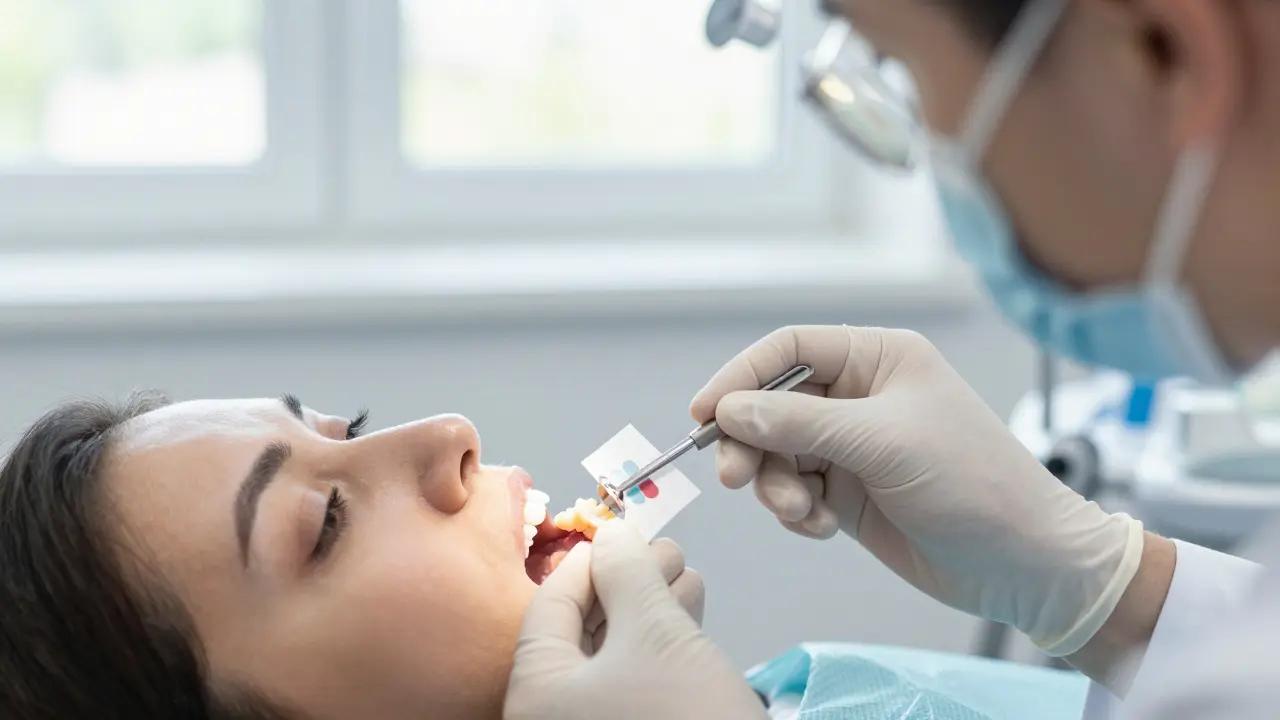
Visit one covers assessment and X-rays. Visit two is the prep: the framing teeth are contoured, a scan or mold is taken, and a stand-in bridge goes on. Two to three weeks later, visit three delivers the finished piece, adjusted and set. Where a schedule is genuinely tight, we compress the appointments and sequence them around your duty calendar. Implant-anchored bridges need several months of healing before the posts fuse to the bone and can take on a bite — exactly why we flag the calendar early for anyone facing a move or deployment.
Cost and Coverage in Fayetteville
At our Fayetteville office a standard fixed bridge runs $2,500–$6,000, set by the number of units, the material, and complexity, with the common three-unit case landing at $3,000–$4,500. Implant-supported spans come to $12,000–$18,000 total for two implants and four units. Most dental plans, including many military and retiree plans, treat bridges as major restorative work covered near the half mark after the deductible — we verify your specific benefits, including TRICARE-related dental coverage, before treatment begins. For the remaining balance we offer Sunbit, CareCredit, and the O2 Advantage Plan.
Coordinating Bridge Care With Military Timelines
A good share of the patients we treat at our Skibo Road office are connected to Fort Bragg — active-duty soldiers, spouses and dependents on the TRICARE Dental Program through United Concordia, and retirees carrying FEDVIP coverage. Bridge treatment fits military life better than most tooth-replacement routes precisely because it finishes in weeks rather than months. Where an active-duty service member has a dental readiness classification to protect, we prioritize a finished, functional restoration inside the shortest safe window and document it for the unit. For families facing PCS orders, we can often stage the preparation and the final seating so the case wraps before the move, or hand off clean records for a transfer to your next duty station’s provider. Bring your coverage details to the consult and we’ll map the benefit and the calendar together.
Fayetteville Bridge — questions patients ask
Can a bridge really be finished before I deploy or move?
A traditional bridge usually wraps in two to four weeks over a couple or three appointments, so in most cases yes — and we’ll build the schedule around your dates. Implant-supported bridges can’t be rushed, since they depend on months of healing.
Do the framing teeth get reduced?
For a traditional bridge, the pair bordering the opening are shaped to hold crowns. When those teeth are already compromised, that’s efficient; when they’re perfectly healthy, we’ll often recommend an implant instead so they stay untouched.
How long will it hold up in the field?
A traditional bridge generally lasts ten to fifteen years with routine care; implant-supported versions commonly last longer. Both handle normal function without special treatment.
What's the trick to cleaning under it?
An interdental threader or an oral irrigator reaches below the false tooth where a brush can’t. We demonstrate at delivery and check your method at recalls.
Does my dental coverage apply?
Bridges are usually covered as major restorative work, near half after the deductible. We confirm your plan — including military-related dental benefits — up front.
Areas We Serve Around Fayetteville
Our Skibo Road office is a convenient stop for patients across Fayetteville and Fort Bragg, along with Hope Mills, Spring Lake, Raeford, Eastover, Stedman, and the surrounding Cumberland County communities.
Book Your Fayetteville Bridge Consultation
Missing a tooth and working against a calendar? Come in and we’ll map the fastest dependable path to a finished restoration, honestly compare a bridge with an implant, and schedule around your obligations. Grab a slot online or call (910) 484-5141.
Schedule Today!
We look forward to meeting you. Call (910) 484-5141 or request an appointment online to set up your first visit. We’ll be in touch soon.
O2 Dental Group of Fayetteville
Monday:
Tuesday:
Wednesday:
Thursday:
Friday:
Saturday:
Sunday:
8:00am – 6:00pm
8:00am – 6:00pm
8:00am – 6:00pm
8:00am – 6:00pm
8:00am – 4:00pm
CLOSED
CLOSED
