Sleep Apnea & Snoring Treatment in North Carolina
Sleep Apnea & Snoring Treatment Across North Carolina — The CPAP Alternative at Six O2 Locations
If you’ve been prescribed CPAP and couldn’t tolerate it, you’re in the majority. More than half of patients given CPAP either stop using it within a year or never adapt to it at all. The mask leaks, the noise disrupts your partner, the headgear hurts your face, the pressure feels like sleeping in a wind tunnel. Sleep apnea doesn’t resolve because you stopped wearing the machine — it just keeps damaging your cardiovascular system, your blood pressure, your daytime focus, and the people who share your bed.
Custom oral appliance therapy is the FDA-approved alternative for patients who can’t tolerate CPAP, and for many patients with mild-to-moderate obstructive sleep apnea and severe snoring, it’s the first-line treatment that should have been recommended from the start. O2 Dental Group offers custom mandibular advancement devices (the gold standard category of oral appliance) at all six North Carolina locations. We bill medical insurance directly — not dental insurance — which is the part most general dentists either don’t do or don’t do well.
Sleep Appliance
Learn how a custom oral sleep appliance can help manage obstructive sleep apnea and reduce snoring by gently repositioning your jaw to keep your airway open while you sleep. This video explains how the appliance works, its benefits, and what to expect during treatment.
Share with Patient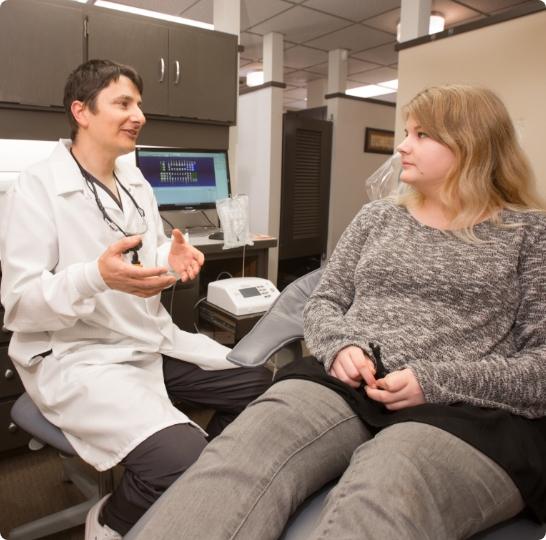
What Sleep Apnea Is and Why Treatment Matters
Obstructive sleep apnea (OSA) is the brief, repeated stoppage of breathing during sleep — the airway collapses, oxygen drops, the brain partially wakes you to restart breathing, and the cycle repeats. Mild cases stop breathing 5–15 times per hour. Severe cases more than 30 times per hour. Most patients don’t remember any of it; what they remember is feeling exhausted at 3 p.m. despite a full night in bed.
Untreated OSA is associated with significantly increased risk of high blood pressure, heart disease, stroke, type 2 diabetes, atrial fibrillation, motor vehicle accidents from drowsy driving, and long-term cognitive effects. The strongest signal usually comes from a partner: loud persistent snoring, witnessed pauses in breathing followed by gasping restarts, daytime sleepiness that doesn’t improve with more sleep. If those symptoms describe you, a sleep evaluation is worth the time.
Common signs and symptoms of Sleep Apnea
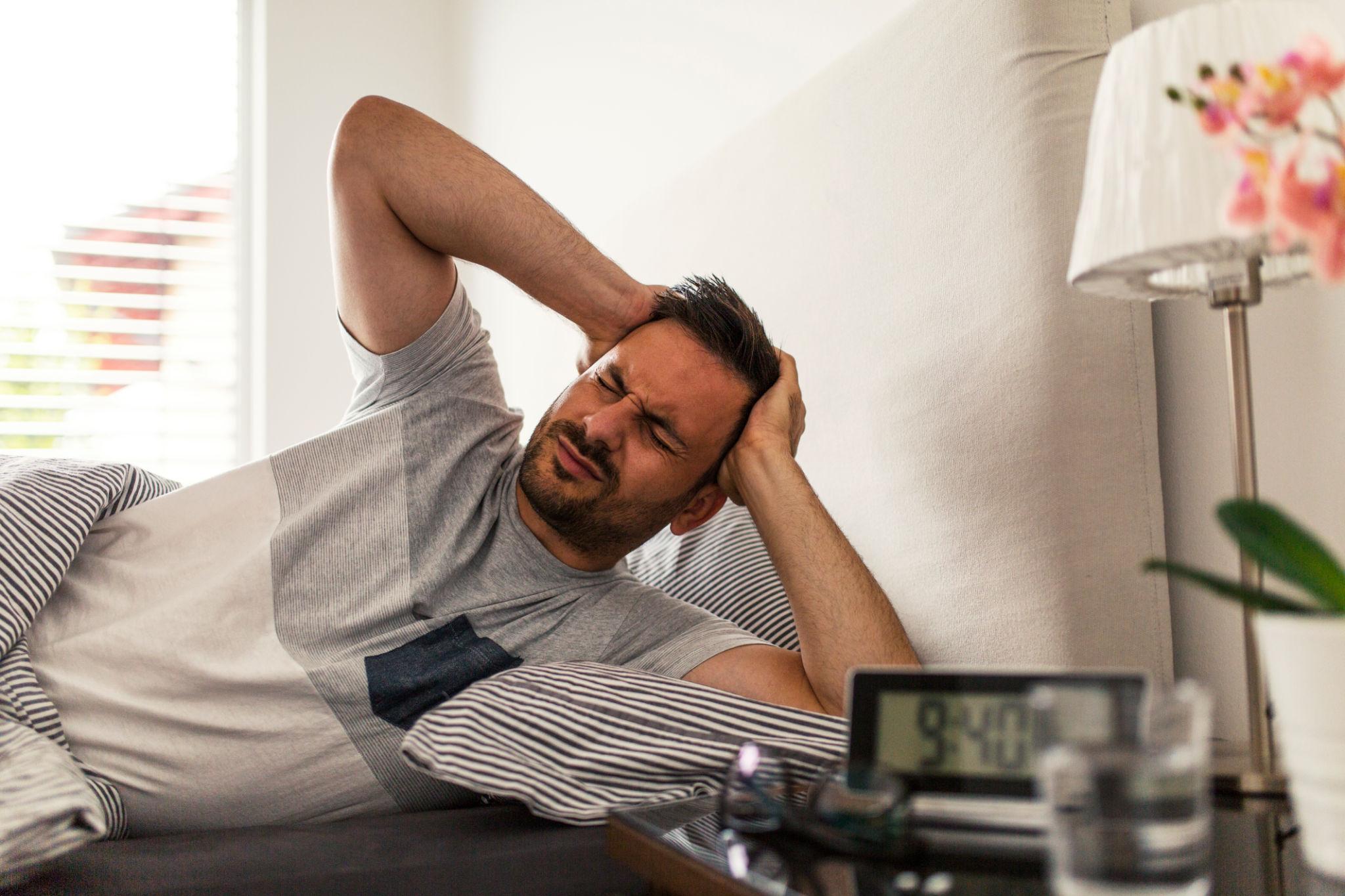
Common signs and symptoms of sleep-related breathing issues can vary from person to person, but they often begin with loud, frequent snoring and waking up feeling tired even after what seems like a full night’s sleep. Many people also experience morning headaches, dry mouth, sore throat, or episodes of gasping, choking, or pauses in breathing during sleep. These symptoms may occur regularly and are often first noticed by a partner or family member before the individual recognizes them.
During the day, sleep disruptions can lead to excessive sleepiness, low energy levels, trouble staying focused, or persistent brain fog that affects productivity and daily routines. Some individuals may also notice irritability, anxiety, mood changes, or difficulty managing stress due to poor-quality sleep. When left untreated, these symptoms can continue to impact overall health, work performance, and quality of life.
Snoring vs. Sleep Apnea: What’s the Difference?
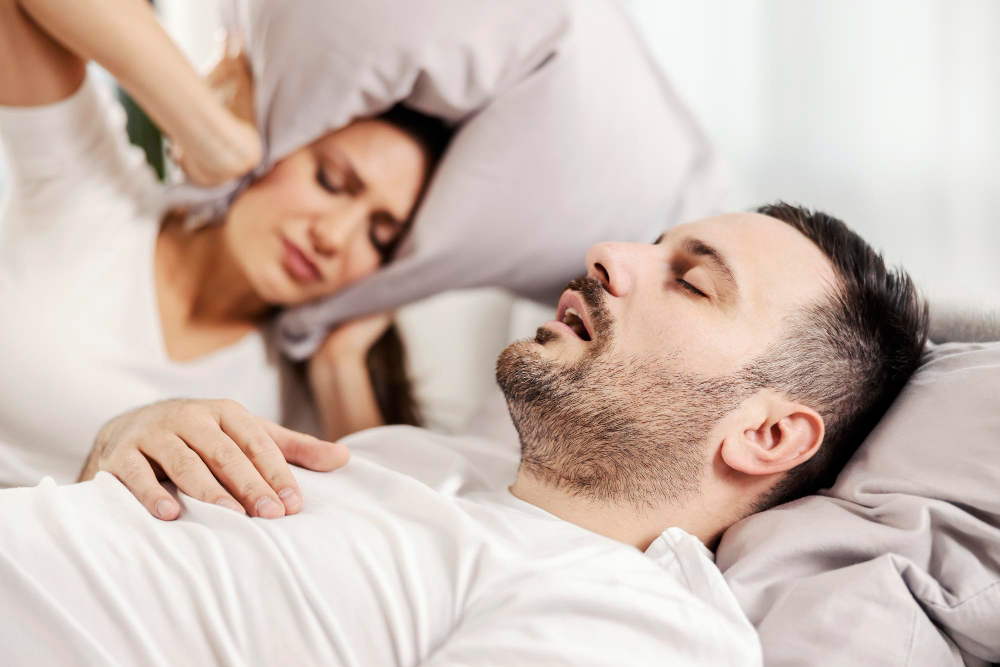
Snoring is often caused by vibration in the throat tissues when airflow is partially blocked. Sometimes it’s harmless. But sometimes, it’s one of the clearest signs of sleep apnea.
If your snoring is loud, frequent, and paired with daytime fatigue—or someone has noticed you stop breathing at night—it’s worth taking seriously.
Oral Appliances vs CPAP — Which Is Right for You
CPAP remains the gold standard treatment for severe obstructive sleep apnea when patients can tolerate it. The problem is that a significant share of patients can’t — 30% to over 50% non-adherence in published studies. For those patients, oral appliance therapy is the FDA-recognized alternative. The American Academy of Sleep Medicine endorses oral appliances as first-line treatment for mild-to-moderate OSA, primary snoring, and severe OSA with CPAP intolerance.
When CPAP is the right answer: severe OSA (AHI > 30), central sleep apnea (not obstructive), or any patient who can wear and tolerate the machine reliably. When an oral appliance is the right answer: mild-to-moderate OSA (AHI 5–30), severe primary snoring without OSA, CPAP intolerance or rejection, patients who travel frequently and find CPAP impractical, patients whose partners can’t sleep with CPAP noise, and patients who simply refuse to wear a machine on their face every night. We don’t pretend oral appliances are universally better. We recommend them for the patients they actually fit.
Oral Appliance Therapy - Stop Snoring Solutions North Carolina
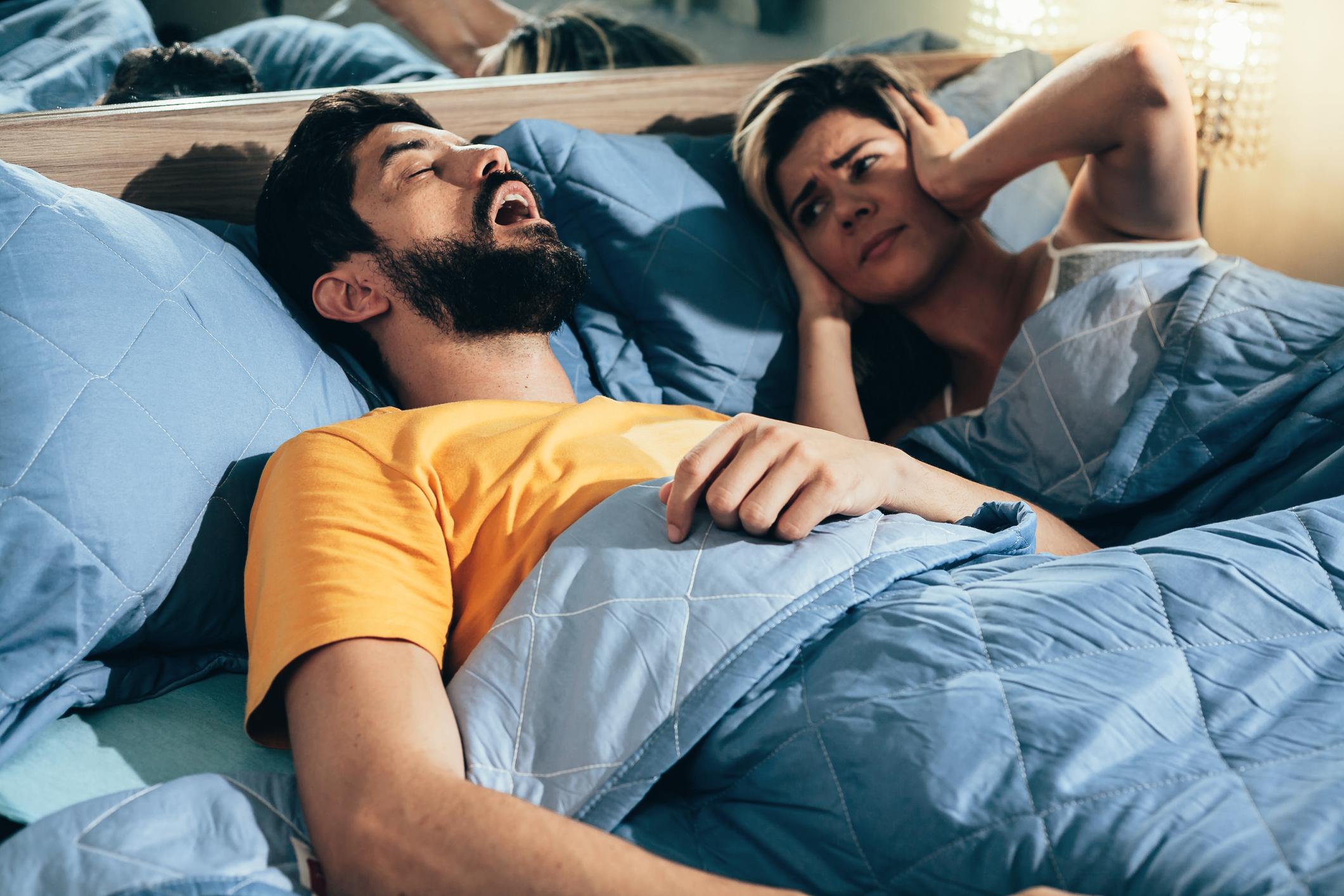
Many people assume their only option for stop snoring solutions in North Carolina is a CPAP machine. CPAP can be effective, but it’s not always easy to tolerate. For many patients, a custom oral appliance offers a simpler, more comfortable solution.
A sleep apnea oral appliance fits like a mouthguard and gently positions your jaw to help keep your airway open while you sleep.
DOT/CDL Driver Sleep Apnea Compliance
Commercial driver’s license (CDL) holders with diagnosed obstructive sleep apnea are required by FMCSA regulations to be treated and demonstrate compliance to maintain medical certification. Untreated OSA in a commercial driver isn’t just a health issue — it’s a livelihood issue. Drivers can lose their CDL during a DOT physical if untreated OSA is suspected or documented.
Custom oral appliance therapy is an FMCSA-recognized treatment for OSA in commercial drivers, with documented compliance equivalent to CPAP for medical-certification purposes. The advantage for drivers: no machine to plug in at truck stops, no humidifier water to manage on the road, no power consumption, no maintenance. The appliance goes in a case, the case goes in the cab, and treatment continues regardless of route. We work directly with DOT-certified medical examiners across all six O2 offices and provide the compliance documentation drivers need for their annual physicals. The Wilmington, Raleigh, Fayetteville, Durham, and Siler City offices see the highest CDL volume due to proximity to I-95, I-40, I-540, and US-421.
Who Is a Good Candidate for a Sleep Appliance?
You may be a great candidate for oral appliance therapy if you have mild to moderate obstructive sleep apnea, snore consistently, or want a non-invasive option that doesn’t require a mask or machine.
You may qualify if you:
- Have mild to moderate obstructive sleep apnea
- Have severe sleep apnea but struggle with CPAP use
- Snore consistently and want a non-invasive approach
- Want a travel-friendly option that fits your lifestyle
- Want treatment without tubing, noise, or air pressure
Our Snoring & Sleep Apnea Treatment Process
We keep the process straightforward and patient-friendly:
Step 1: Consultation & Symptom Review: We review your symptoms, sleep concerns, and health history.
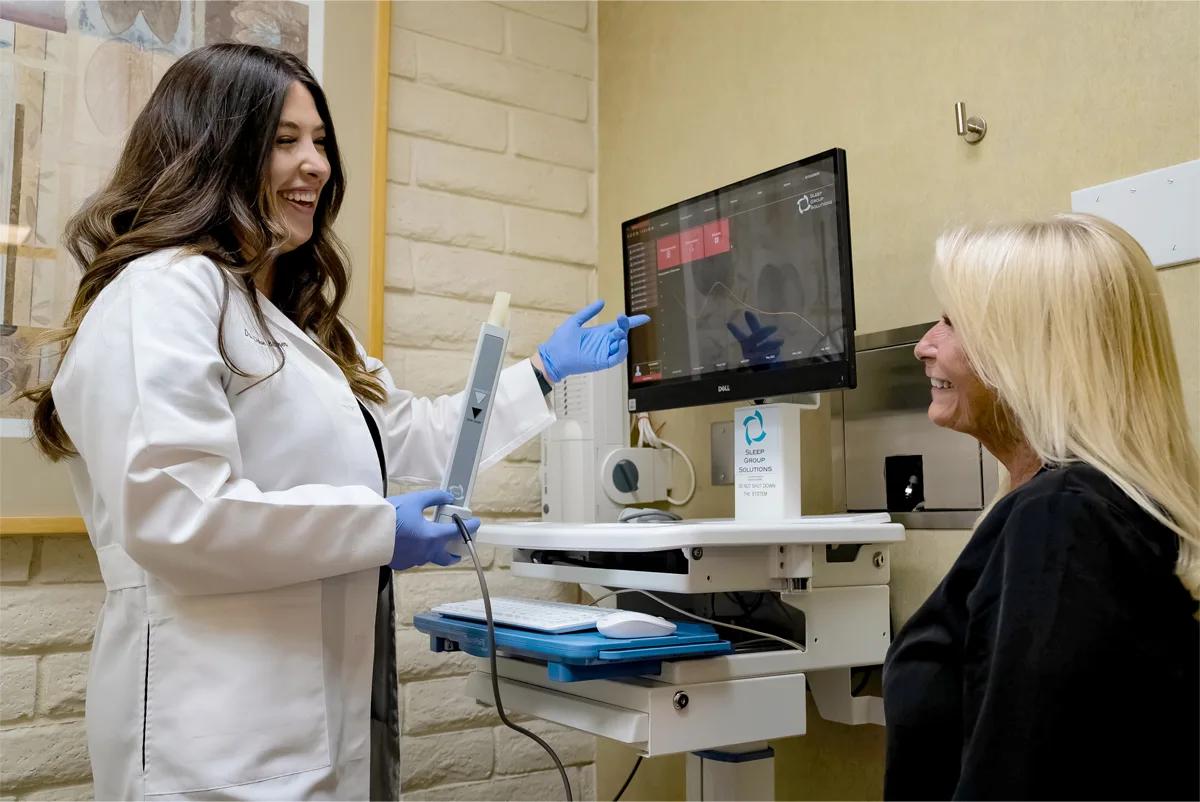
Step 2: Sleep Study Confirmation: If you already have a sleep study, we’ll review it. If not, we’ll guide you toward the right next step.
Step 3: Custom Appliance Design: We capture accurate impressions and design a comfortable, custom-fit appliance.
Step 4: Fitting & Adjustments: We ensure your appliance fits properly and make adjustments for comfort and results.
Step 5: Follow-Up & Ongoing Support: We track how you’re doing and coordinate additional testing when needed.
Medical Insurance & Medical Billing
Many patients assume a sleep appliance must be paid out-of-pocket because it’s made by a dentist. But sleep apnea is a medical condition—and in many cases, oral appliance therapy can be billed through medical insurance.
Coverage depends on your diagnosis, plan benefits, medical necessity documentation, and deductible. Our team can help you understand your options and what to expect before you start.
Medical vs. Dental Billing (Simple Explanation)
Dental insurance is designed to cover teeth and gums. Medical insurance covers conditions that affect your overall health—including airway and breathing disorders. Because sleep apnea impacts your airway and oxygen levels, oral appliances may qualify under medical coverage using medical codes.
If you’ve been told “insurance won’t cover it,” there’s a good chance they were only looking at dental coverage—not medical.
What Patients Notice When Sleep Apnea & Snoring Treatment Works
Once patients start breathing better at night, we commonly hear feedback like:
- “I finally wake up feeling rested.”
- “My energy is back.”
- “I’m not falling asleep during the day anymore.”
- “My snoring is gone—or way quieter.”
- “My focus and mood improved.”
Why Choose Us As Snoring & Sleep Apnea Specialist North Carolina
There are many places that offer sleep appliances. Our difference is simple: we focus on comfort, consistency, and real results—not just delivering a device.
- Modern digital technology for precise, custom fit
- A treatment plan focused on comfort and long-term success
- Medical billing guidance to help make treatment affordable
- Convenient locations across North Carolina
- A team approach to support you through the process
Find Your O2 Dental Group Location
Each office offers dentist-supervised whitening with custom trays and Zoom. Choose the one nearest you.
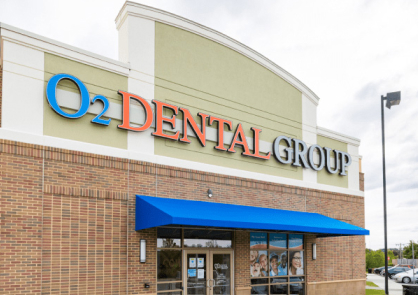
Address: 3219 Watkins Rd, Ste 103, Durham, NC 27707.
Call Us: (919) 813-2267
Serving Southpoint, Chapel Hill, Carrboro, Morrisville & RTP.
Hours: Mon–Thu 9:00 AM – 5:00 PM;
Every Other Friday 8:00 AM – 2:00 PM
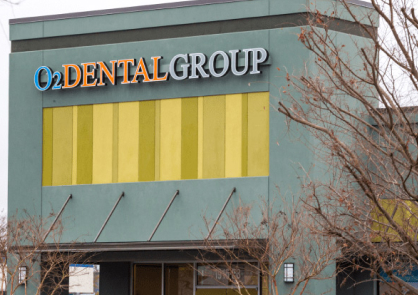
Address: 1916 Skibo Rd, Ste C3, Fayetteville, NC 28314.
Call Us: (910) 484-5141
Serving Fort Bragg, Hope Mills, Spring Lake, Raeford & Eastover.
Hours: Mon–Thu 8:00 AM – 6:00 PM; Fri 8:00 AM – 4:00 PM
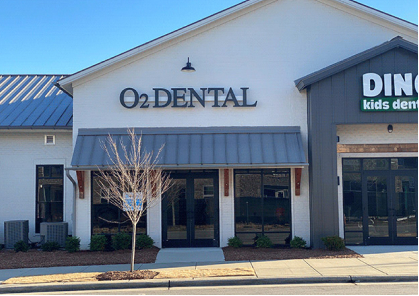
Address: 5321 Tin Roof Way, Ste 102, Raleigh, NC 27616.
Call Us: (919) 341-4160
Serving North Raleigh, Wake Forest, Knightdale, Wendell & Zebulon.
Hours: Mon–Thu 8:00 AM – 4:00 PM;
Every Other Saturday 8:00 AM – 2:00 PM
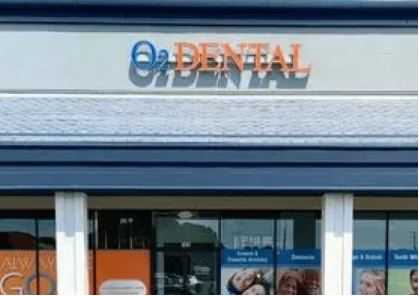
Address: 103 Food Lion Plaza, Siler City, NC 27344.
Call Us: (984) 265-1655
Serving Pittsboro, Chatham Park, Liberty, Ramseur & Asheboro.
Hours: Mon–Thu 8:00 AM – 5:00 PM
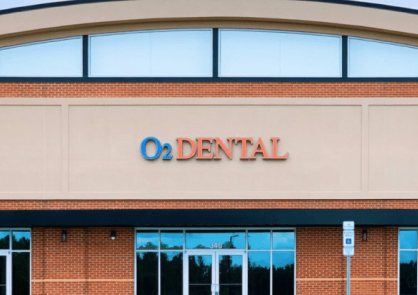
Address: 340 Capital Drive, Carthage, NC 28327.
Call Us: (910) 839-0055
Serving Pinehurst, Aberdeen, Whispering Pines, Carthage & Vass.
Hours: Mon–Thu 8:00 AM – 4:00 PM
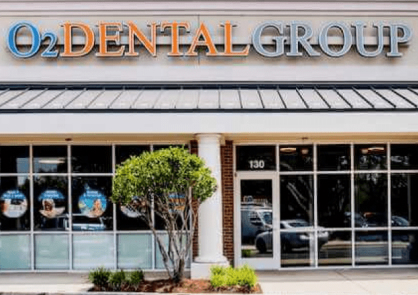
Address: 7150 Market St #130, Wilmington, NC 28411.
Call Us: (910) 377 – 6453
Serving Ogden, Porters Neck, Wrightsville Beach, Hampstead & Leland.
Hours: Mon–Thu 8:00 AM – 6:00 PM
Sleep Apnea & Snoring – FAQs
Will my medical insurance cover an oral appliance at O2 Dental?
Most major medical insurance plans cover custom oral appliances for diagnosed obstructive sleep apnea as durable medical equipment. We bill medical insurance directly, not dental insurance — at all six O2 offices. Coverage typically requires a recent sleep study, a physician’s prescription, and documentation of CPAP intolerance if applicable. Our team handles prior authorization.
How much does a custom oral appliance cost at O2 Dental?
$1,500–$3,500 out of pocket. With medical insurance coverage for diagnosed OSA, most patients pay $0–$500 in copays or coinsurance. Medicare also covers oral appliance therapy for diagnosed OSA with proper documentation. Sunbit financing available for uninsured patients.
Do I need a sleep study before getting an oral appliance?
For diagnosed OSA, yes — a sleep study is required by clinical best practice and most insurance plans. For pure snoring without other symptoms, a sleep study is recommended but not strictly required at our offices. We coordinate sleep studies with local sleep physicians when needed.
I have CPAP but can’t tolerate it — can I switch to an oral appliance?
Often yes. CPAP intolerance is a documented medical indication for oral appliance therapy and is recognized for insurance coverage. We work with your sleep physician to document the CPAP failure, fabricate the appliance, and verify efficacy with a follow-up sleep study.
Are oral appliances as effective as CPAP?
For mild-to-moderate OSA, oral appliances are recognized by the AASM as first-line treatment with effectiveness comparable to CPAP in real-world adherence-adjusted outcomes — because the appliance gets worn every night and CPAP often doesn’t. For severe OSA, CPAP remains gold-standard when tolerated; oral appliances are second-line for severe patients who can’t use CPAP.
I’m a CDL driver — will this satisfy DOT compliance?
Yes. The FMCSA recognizes oral appliance therapy as a valid OSA treatment for commercial drivers, equivalent to CPAP for medical certification. Every O2 office provides the compliance documentation your DOT-certified medical examiner needs for your annual physical.
Does Medicare cover oral appliances?
Yes — Medicare covers oral appliance therapy for diagnosed OSA as durable medical equipment with proper documentation. Particularly relevant at our Southern Pines office given the patient demographic. Our team handles Medicare prior authorization.
How long does treatment take from consultation to fully fitted appliance?
Six to ten weeks total. Initial consultation, sleep study coordination if needed, insurance verification, impressions, lab fabrication (2–4 weeks), delivery and titration (4–6 weeks). The titration phase is what most offices rush; we don’t.
Schedule Your Schedule Your Consultation with Sleep Apnea Specialist in North Carolina
If you’re waking up exhausted, snoring loudly, or someone has told you that you stop breathing at night—don’t ignore it.
Sleep apnea is treatable, and the right treatment can change your life.
Schedule a consultation with a sleep apnea specialist in North Carolina at O2 Dental Group today, and let’s help you breathe better, sleep deeper, and feel like yourself again.
Schedule Today!
We look forward to meeting you. Call us or request an appointment online to set up your first visit. We’ll be in touch soon.
