
Sleep Apnea & Snoring Devices in Siler City, NC
Snoring & Sleep Apnea Dentist in Siler City, NC — The CPAP Alternative for Chatham County
For many patients across Chatham County, sleep apnea treatment has traditionally meant one thing: a diagnosis from a larger Triangle sleep center followed by a CPAP machine and very few alternatives. The problem is that many people never adapt to CPAP. Between mask discomfort, machine noise, maintenance, and travel inconvenience, a large number eventually stop using treatment altogether.
At O2 Dental Group of Siler City, located in Food Lion Plaza near US-421, we provide custom oral appliance therapy for patients looking for a different approach. These FDA-cleared devices are designed to gently reposition the jaw during sleep to help keep the airway open — without hoses, masks, or bedside equipment.
Our office works with leading dental sleep medicine manufacturers including SomnoMed, ProSomnus, Herbst, EMA, and other custom systems selected around your anatomy, diagnosis, and comfort. For many rural patients, another major advantage is convenience: consultations, adjustments, and follow-up care happen locally instead of requiring repeated trips toward Raleigh or Durham.
This page explains how sleep apnea affects health, when oral appliance therapy may be appropriate, what treatment looks like, how insurance works, and the types of patients we commonly help throughout Chatham County.
Sleep Appliance
Learn how a custom oral sleep appliance can help manage obstructive sleep apnea and reduce snoring by gently repositioning your jaw to keep your airway open while you sleep. This video explains how the appliance works, its benefits, and what to expect during treatment.
Share with Patient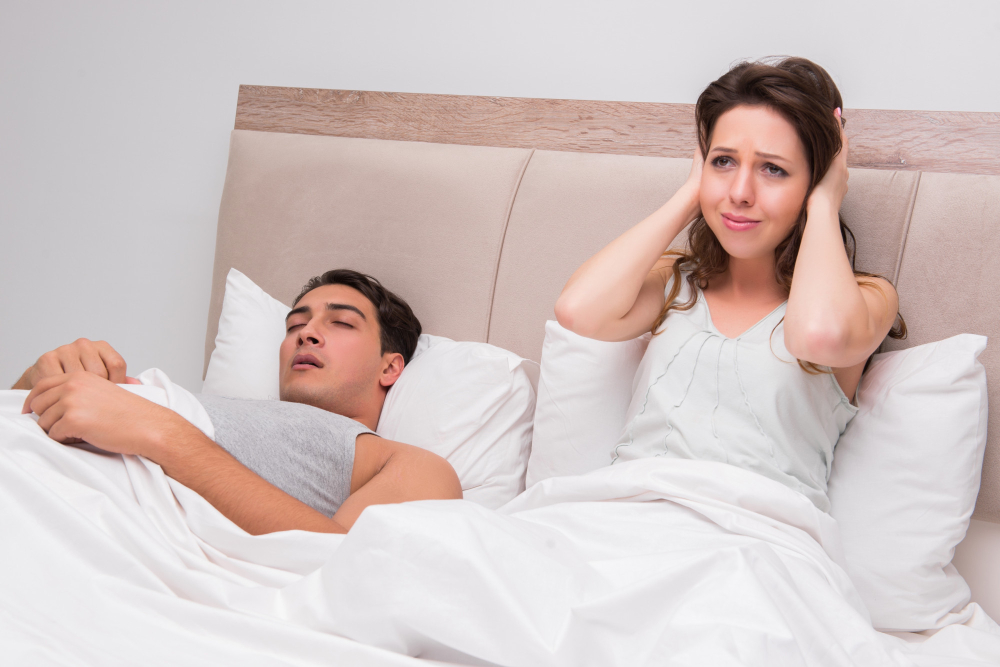
Why Sleep Apnea Treatment Matters
Obstructive sleep apnea happens when the airway repeatedly narrows or collapses during sleep, interrupting normal breathing patterns. These interruptions may happen dozens of times every hour, lowering oxygen levels and repeatedly disrupting sleep cycles.
Most people don’t notice the breathing pauses themselves. What they notice is constant fatigue, trouble concentrating, morning headaches, or feeling exhausted despite spending enough hours in bed.
Left untreated, OSA has been associated with higher risks for hypertension, heart disease, stroke, diabetes, and fatigue-related accidents. In rural communities where long commutes and highway travel are common, daytime drowsiness creates additional safety concerns that shouldn’t be ignored.
Symptoms That May Point Toward Sleep Apnea
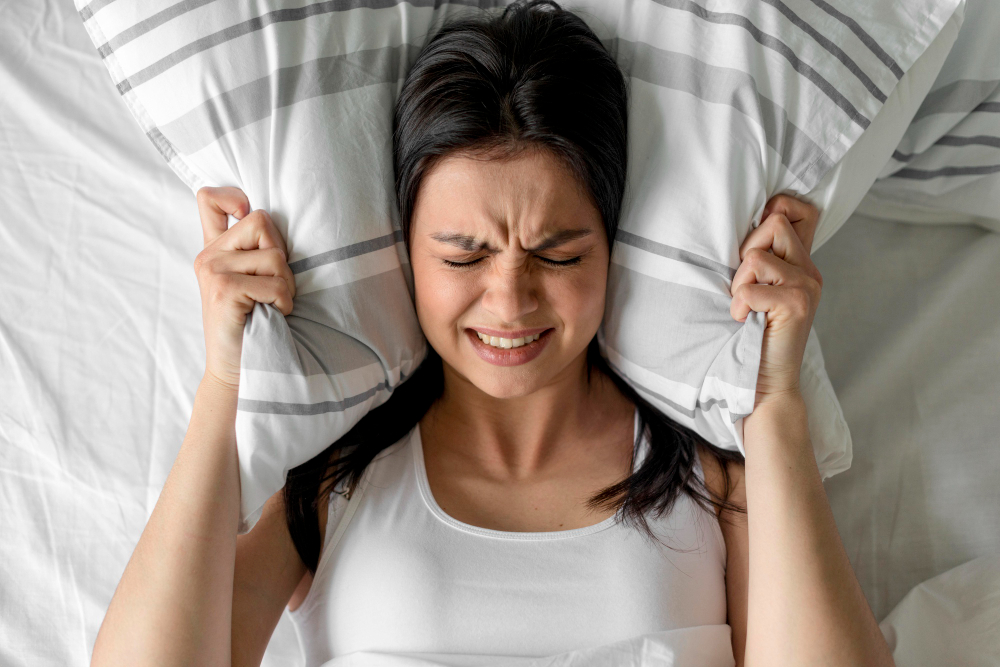
Many symptoms happen while you’re asleep, which is why family members often recognize the problem first. Common signs include:
- Loud or chronic snoring
- Pauses in breathing witnessed by a partner
- Waking up choking or gasping
- Excessive daytime fatigue
- Morning headaches
- Dry mouth or sore throat after sleeping
- Frequent nighttime bathroom trips
- Difficulty concentrating or memory changes
- Blood pressure that remains difficult to control
If several of these symptoms sound familiar, a sleep evaluation may be worth discussing.

What Oral Appliance Therapy Does
Oral appliances are custom-made devices worn during sleep that gently move the lower jaw forward to create more space in the airway. This forward positioning helps reduce airway collapse and improve nighttime breathing.
Unlike generic snoring devices purchased online, custom appliances are designed specifically for your teeth, bite, and airway anatomy. Small adjustments can be made over time to improve comfort and effectiveness.
Because every patient’s anatomy is different, appliance selection also differs. We recommend designs based on sleep severity, jaw structure, travel needs, and long-term comfort goals.
Oral Appliances vs CPAP
CPAP remains highly effective for many patients, especially severe cases when treatment can be tolerated consistently. The challenge is that many patients struggle with comfort, portability, or long-term use.
Oral appliance therapy offers another option for patients with mild-to-moderate sleep apnea, chronic snoring, or difficulty using CPAP. Appliances require no power source, travel easily, and fit more naturally into busy lifestyles.
Treatment recommendations should fit both your diagnosis and your ability to realistically maintain therapy long term.
DOT and CDL Driver Sleep Apnea Compliance
Drivers diagnosed with sleep apnea often need documented treatment to maintain medical certification requirements. Because US-421 serves as a major route through this region, we regularly meet drivers managing new diagnoses or searching for alternatives to CPAP.
Custom oral appliances provide a portable treatment option that doesn’t require electricity, machine maintenance, or additional cargo space. We also help coordinate documentation required for compliance when appropriate.
Who Calls Us For Sleep Apnea Treatment in Chatham County
Our patients come from across Siler City, Pittsboro, Bear Creek, Bonlee, Ramseur, Goldston, Liberty, Sanford, Asheboro, and communities along the US-421 corridor.
We regularly see:
- Patients who stopped using CPAP years ago
- CDL drivers managing certification requirements
- Farmers and tradespeople struggling with fatigue
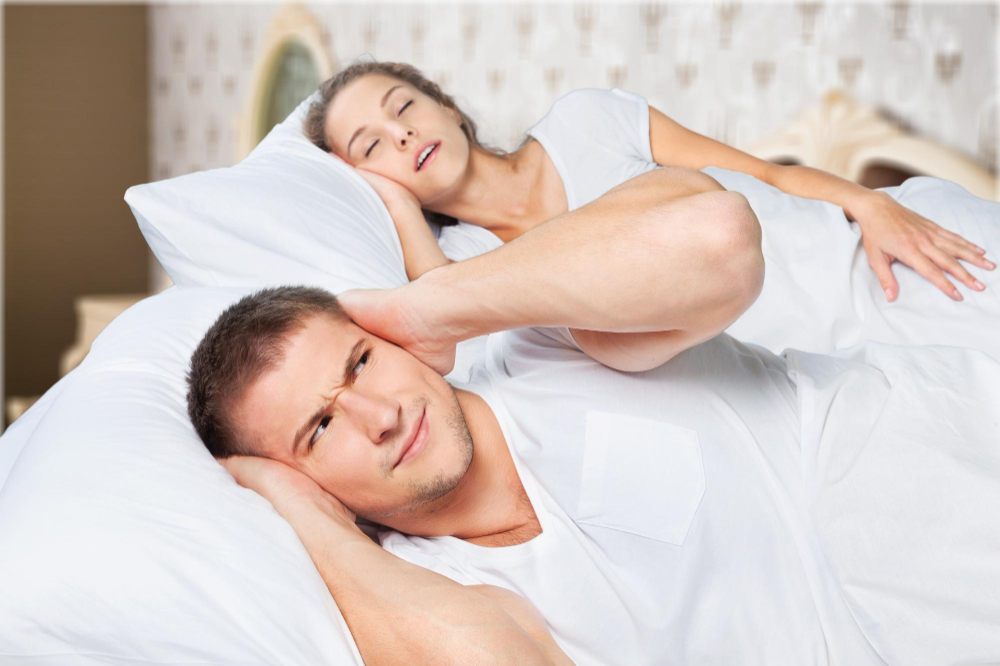
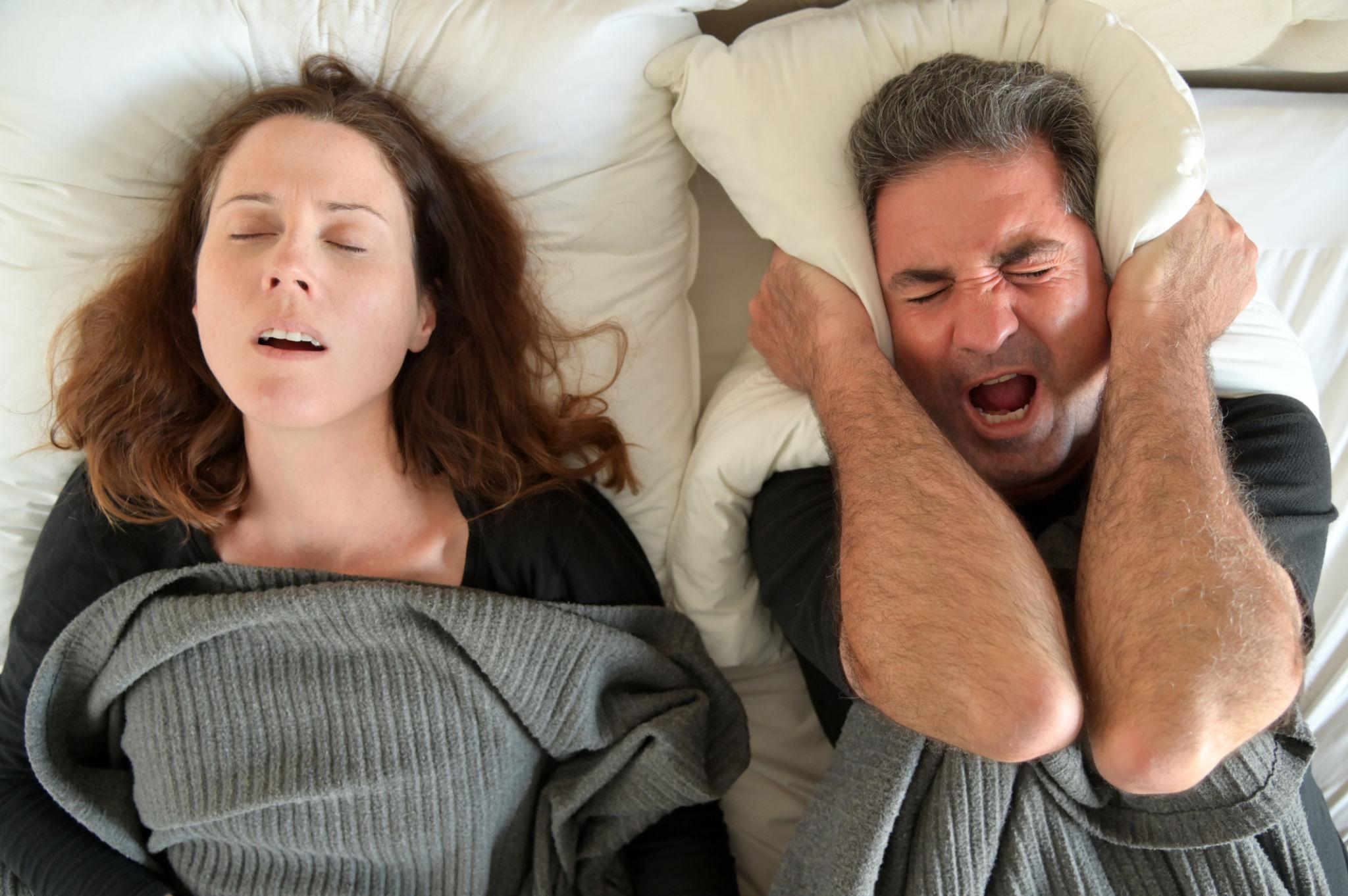
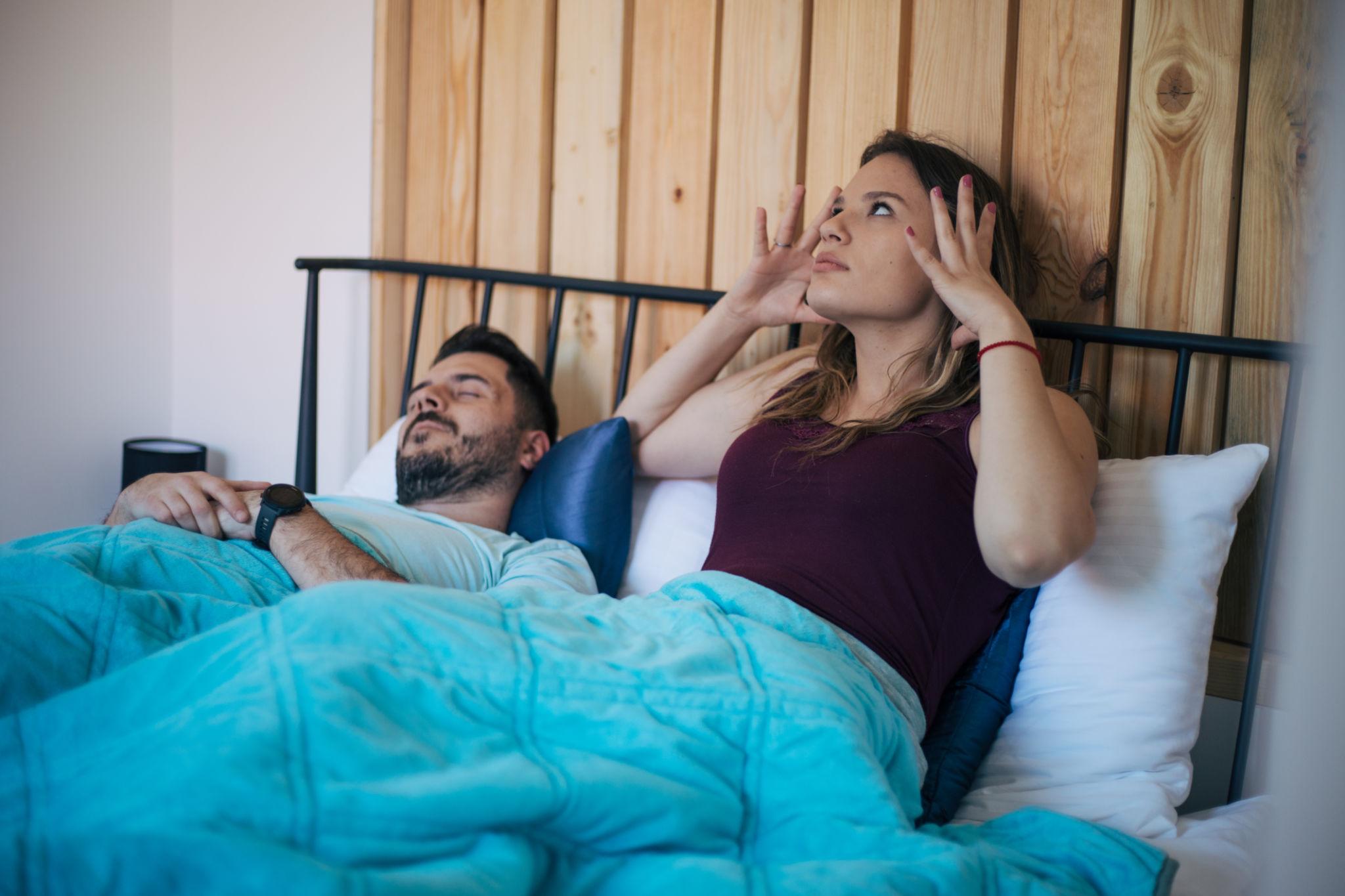
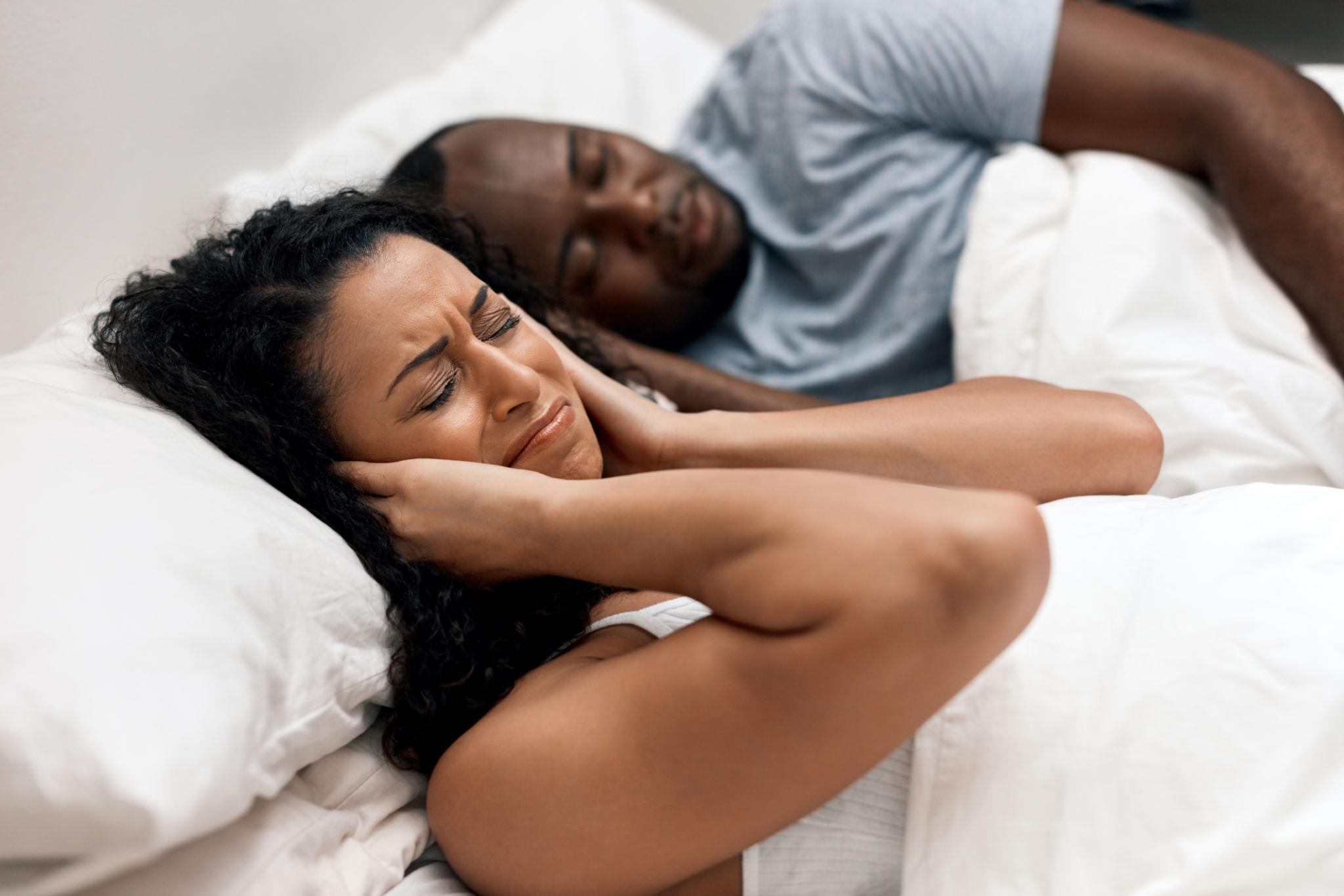
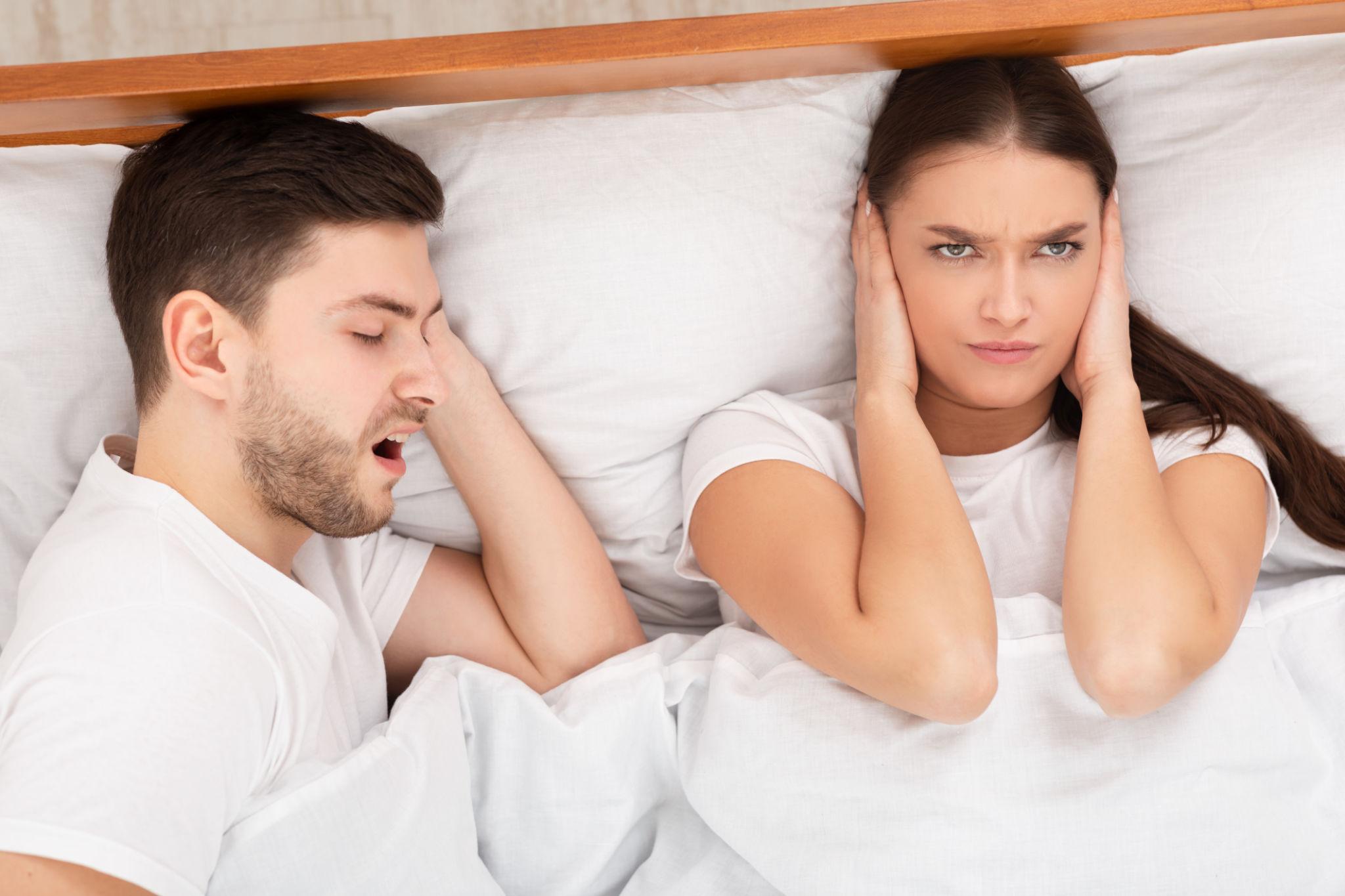
- Partners frustrated by severe snoring
- Spanish-speaking families who prefer bilingual care
- Patients looking for treatment closer to home
For many rural patients, having treatment available locally is often what finally makes care realistic.
A Few Sleep Apnea Cases We’ve Treated (Anonymized)
The Bear Creek CDL driver maintaining his certification
Diagnosed with OSA during a DOT physical, given thirty days to demonstrate compliance or lose his medical certification. CPAP wasn’t practical for his cross-country routes — weeks at a time on the road, inconsistent power at truck stops, machine maintenance impractical. We expedited the consultation, fabricated a ProSomnus appliance, provided compliance documentation to his DOT examiner within his thirty-day window. He kept his CDL and his income. The annual recertification has been straightforward ever since.
The Pittsboro farmer who’d abandoned CPAP a decade ago
Diagnosed with OSA in 2014, prescribed CPAP, used it for six months, gave up. Had been untreated for nearly ten years and assumed there were no other options. Came in at his wife’s insistence after she’d read about oral appliances online. We obtained his original sleep study (still valid for insurance purposes despite the age, given that he was diagnosed with the condition), billed his Medicare coverage, fabricated a Herbst appliance. He told us at the follow-up that he hadn’t realized how badly he’d been functioning until he started feeling normal again.
The Spanish-speaking family case
Husband had been snoring loudly for years; wife had moved to the couch. Bilingual consultation, sleep study coordination through a Spanish-speaking primary care physician in Sanford, oral appliance fitting and titration all in Spanish. AHI dropped from 13 to 4. Wife moved back to the bedroom within a week of the appliance reaching the right titration position. She told us afterward that being able to handle the entire workflow in Spanish was the only reason her husband had been willing to address the snoring at all.
The Oral Appliance Process — Step by Step
Treatment generally happens across several appointments:
- Consultation: Review symptoms, previous sleep studies, airway health, and treatment goals.
- Sleep testing if needed: Patients without testing may need a home or laboratory sleep study before treatment.
- Insurance verification: Our team reviews medical benefits and authorization requirements.
- Records and fabrication: Digital scans or impressions are sent to the lab for custom manufacturing.
- Delivery and adjustment: Appliances are fitted and gradually adjusted for comfort and effectiveness.
- Follow-up: Ongoing evaluations help monitor fit, jaw health, and long-term results.
Caring for Your Oral Appliance
Keeping your oral appliance clean and properly stored helps maintain comfort, fit, and long-term performance. After each use, rinse it with cool water, gently clean it using a soft toothbrush and a non-abrasive cleanser, and place it back in its protective case when not being worn. Avoid regular toothpaste and hot water, since both can damage or distort the appliance material over time.
Long-term success depends on consistency and routine follow-up care. Wearing the appliance every night — including during travel — helps maintain treatment effectiveness and prevents symptoms from returning. Regular follow-up visits are equally important because gradual bite shifts and minor jaw changes can occur with extended use. During these visits, we evaluate fit, comfort, jaw health, and whether adjustments are needed to keep the appliance working properly for years to come.
Cost, Insurance, and Financing for Snoring Treatment
Custom oral appliances generally range from $1,500–$3,500, depending on appliance type and treatment complexity.
Most diagnosed sleep apnea treatment is billed through medical insurance rather than dental insurance, which significantly lowers out-of-pocket costs for many patients.
Coverage commonly requires sleep study documentation, physician involvement, and insurance authorization. Medicare, many commercial plans, and some employer-sponsored plans may provide coverage when requirements are met.
For uninsured patients or larger balances, financing options can help make treatment more manageable.
Your Sleep Apnea Consultation in Siler City
If snoring or sleep apnea is affecting your health, your sleep, or your relationship — and the drive to the Triangle for sleep specialists has kept you from acting on it — the consultation here is the easy first step. Local, bilingual, medical insurance billed, CDL compliance handled. Book online or call (984) 265-1655.
Request More Information (Siler City)
Complete the form below and our team will contact you within 1 business day.
Sleep Apnea / Snoring in Siler City – Frequently Asked Questions
Will wearing an oral appliance feel uncomfortable at first?
Most patients need a short adjustment period during the first few nights or weeks. The appliance should feel snug but not painful. Small adjustments during follow-up visits help improve comfort as you adapt.
Can oral appliances help with snoring even if I don’t have sleep apnea?
Yes. Many patients seek treatment primarily because of severe snoring. Custom oral appliances are commonly used for primary snoring, especially when it affects sleep quality for partners or family members.
What happens if I travel often for work?
Oral appliances are designed to be portable and easy to travel with. Since they don’t require electricity, water reservoirs, or extra equipment, many patients prefer them for work travel, vacations, and overnight stays away from home.
Will wearing an oral appliance change my bite?
Small bite changes can occur gradually with long-term use, which is why regular follow-up appointments are important. We monitor fit, comfort, and jaw position over time to minimize unwanted changes.
How long does a sleep apnea oral appliance usually last?
Most custom appliances last several years depending on wear patterns, maintenance, grinding habits, and overall use. Regular evaluations help determine when replacement may be needed.
What if I’ve never been diagnosed with sleep apnea before?
If your symptoms suggest possible sleep apnea but you’ve never had testing, we can discuss whether a sleep study should be part of the evaluation process before treatment begins.
Can I use an oral appliance if I grind my teeth?
In many cases, yes. Teeth grinding doesn’t automatically prevent treatment, but your bite, jaw joints, and wear patterns need evaluation first to determine the right appliance design.
Is treatment available for patients outside Siler City?
Yes. We regularly see patients from Pittsboro, Bear Creek, Bonlee, Goldston, Liberty, Sanford, Asheboro, and other surrounding communities looking for treatment closer to home.
Visit Us Today!
We look forward to meeting you. Call (984) 265-1655 or request an appointment online to set up your first visit. We’ll be in touch soon.
O2 Dental Group of Siler City
Phone: (984) 265-1655
Email: sc@o2smiles.com
Monday:
Tuesday:
Wednesday:
Thursday:
Friday:
Saturday:
Sunday:
8:00 am – 5:00 pm
8:00 am – 5:00 pm
8:00 am – 5:00 pm
8:00 am – 5:00 pm
CLOSED
CLOSED
CLOSED
