
Snoring & Sleep Apnea Treatment in Fayetteville, NC
Snoring Sleep Apnea Dentist in Fayetteville, NC — The CPAP Alternative on Skibo Road
CPAP works well for many patients — but many others stop using it because of discomfort, noise, travel limitations, or simply because sleeping attached to a machine becomes difficult to maintain long term. Unfortunately, sleep apnea doesn’t stop when treatment stops. It continues affecting blood pressure, energy levels, focus, cardiovascular health, and overall quality of life.
At O2 Dental Group of Fayetteville on Skibo Road, near Fort Bragg and Cross Creek Mall, we provide custom oral appliance therapy for patients who need a quieter, more practical alternative. These FDA-cleared devices gently reposition the lower jaw to help keep the airway open during sleep — without masks, hoses, batteries, or machine noise.
We fabricate custom appliances from leading dental sleep medicine labs including SomnoMed, ProSomnus, Herbst, EMA, and others based on your anatomy, diagnosis, and treatment goals. The result is treatment designed for real life — whether that means military schedules, trucking routes, travel, or busy family routines.
This page explains how sleep apnea affects health, who qualifies for oral appliance therapy, how treatment works, what insurance may cover, and why many Fayetteville patients choose an alternative to CPAP.
Sleep Appliance
Learn how a custom oral sleep appliance can help manage obstructive sleep apnea and reduce snoring by gently repositioning your jaw to keep your airway open while you sleep. This video explains how the appliance works, its benefits, and what to expect during treatment.
Share with Patient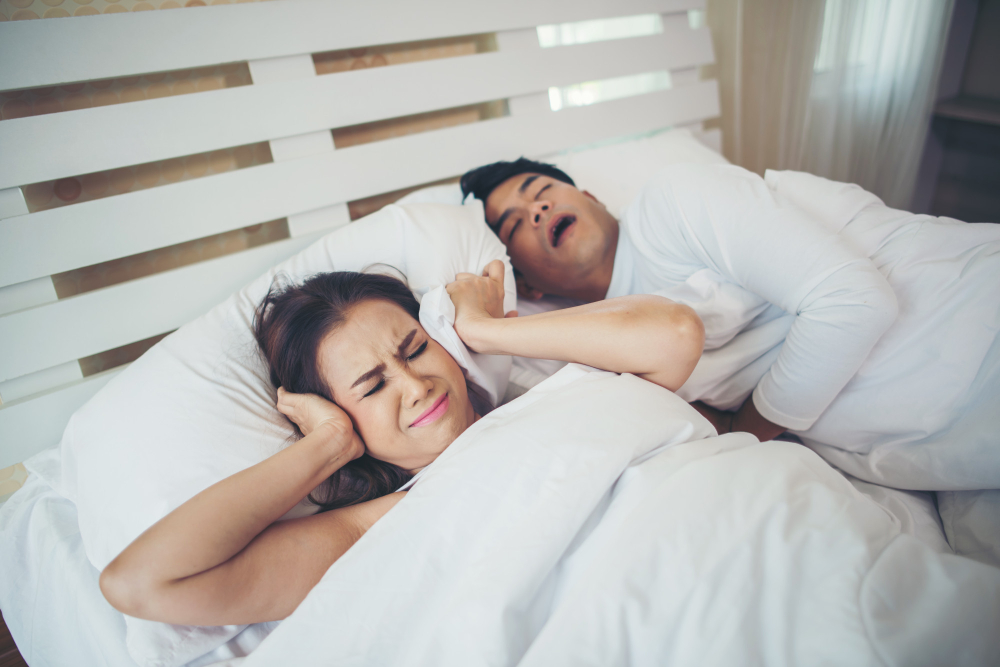
Why Sleep Apnea Treatment Matters — Especially in a Military Community
Obstructive sleep apnea happens when the airway repeatedly collapses during sleep, lowering oxygen levels and forcing the brain to repeatedly wake the body enough to restart breathing. Many patients never remember these interruptions — they simply feel exhausted despite spending enough time in bed.
Untreated sleep apnea is associated with increased risk of high blood pressure, heart disease, stroke, diabetes, and fatigue-related accidents. In a community like Fayetteville, where military schedules, deployments, and shift work already challenge sleep quality, untreated OSA can also impact readiness, performance, and long-term health.
Dr. Morales served with the 82nd Airborne in Fayetteville before becoming a sleep apnea dentist, giving him firsthand understanding of how sleep disorders affect service members beyond the diagnosis itself.
Symptoms That May Point to Sleep Apnea
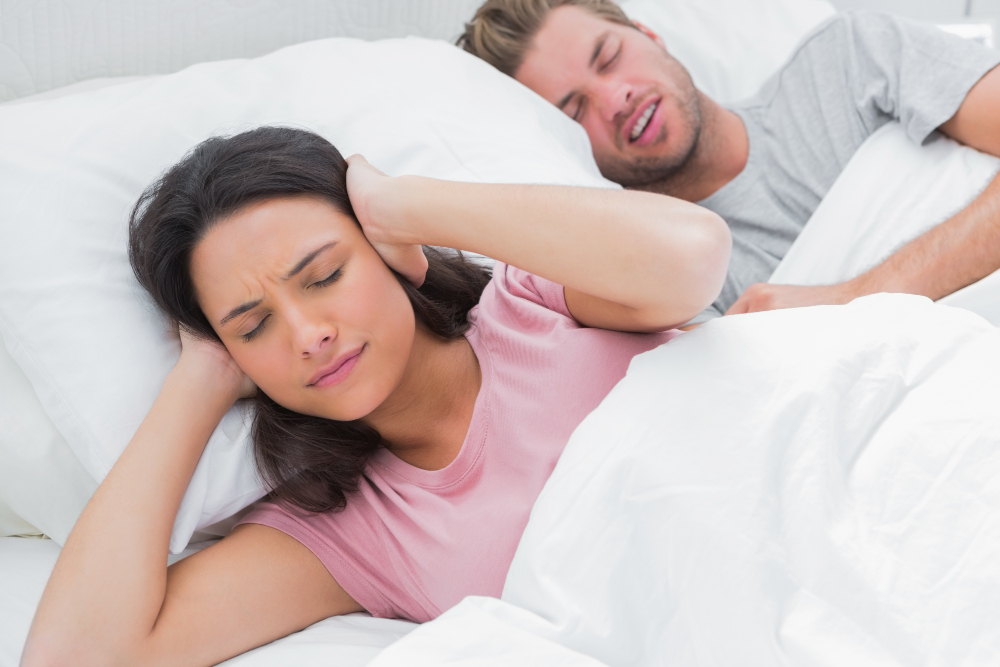
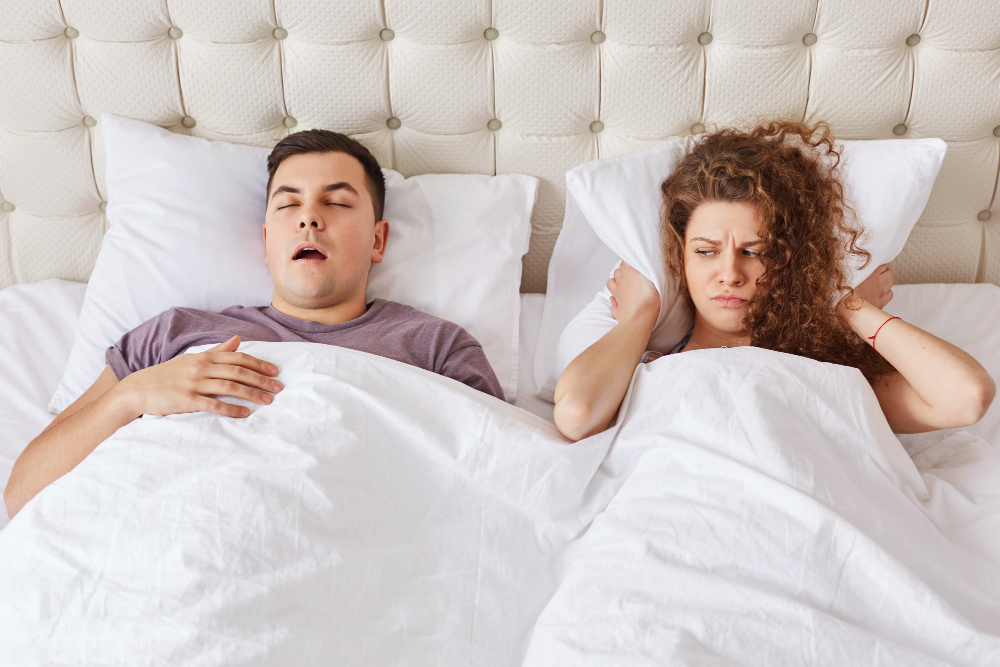
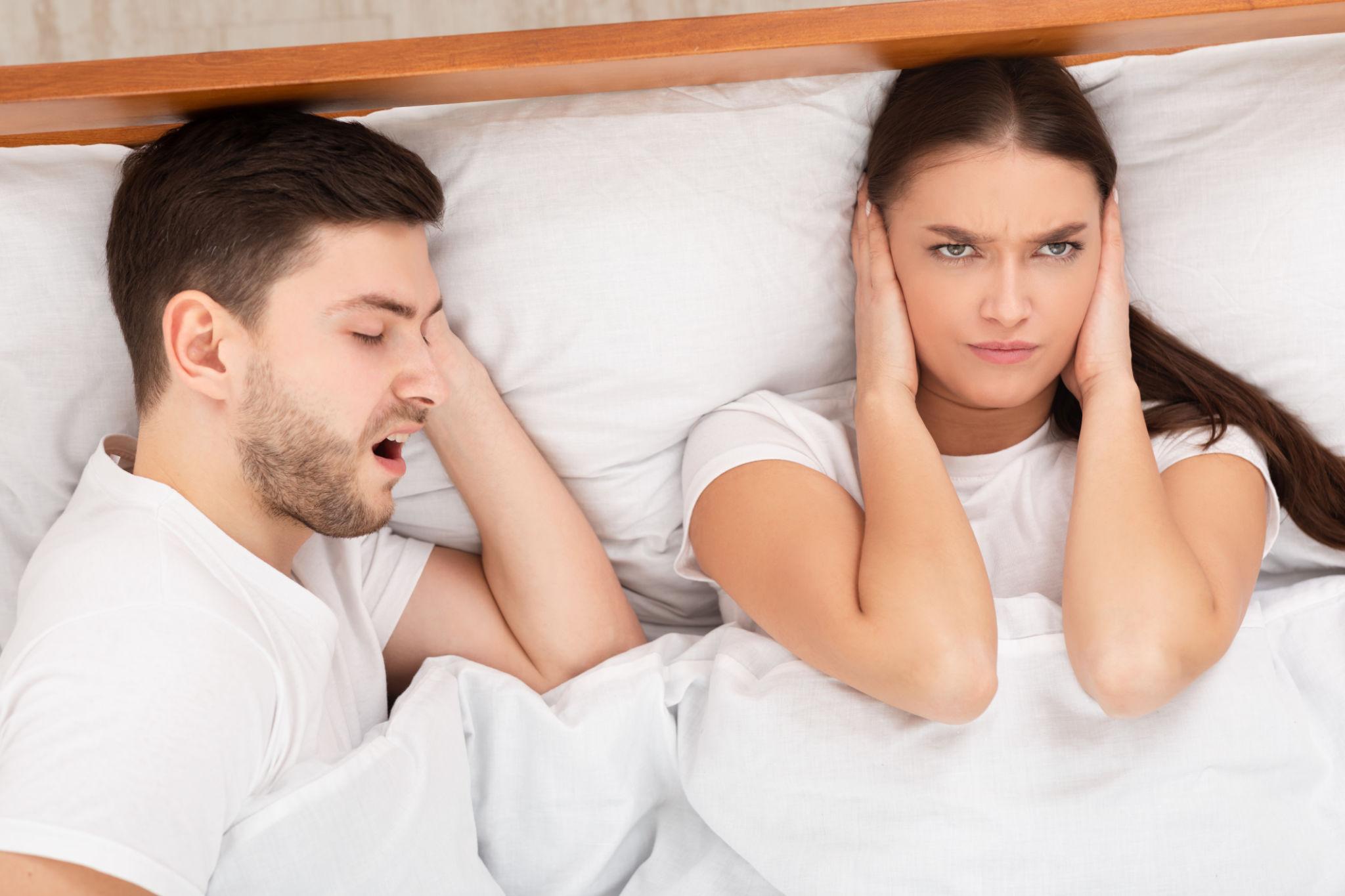
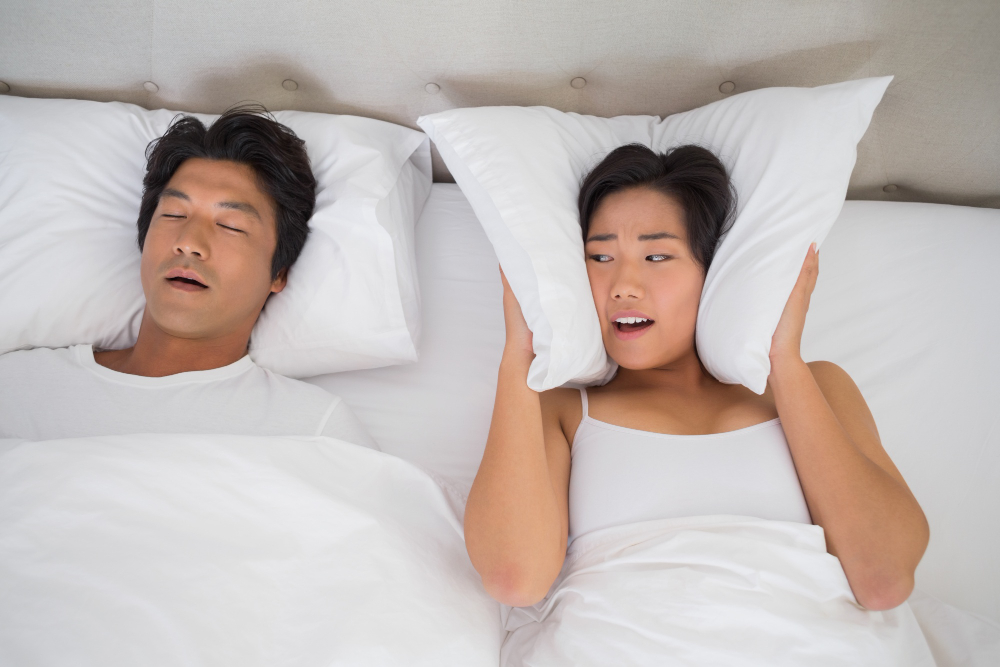
Many people with sleep apnea have no idea they have it because the problem happens while they’re asleep. In many cases, the first person to notice something is a spouse, roommate, family member, or someone sharing living quarters. Common warning signs include:
- Loud, ongoing snoring — especially snoring strong enough to disturb others or be heard through walls or closed doors.
- Pauses in breathing during sleep — partners may notice repeated stops in breathing followed by gasping, choking, or sudden movement.
- Persistent daytime fatigue — feeling exhausted despite spending enough hours in bed, struggling through meetings, classes, drives, or afternoon routines.
- Morning headaches — recurring headaches shortly after waking that may be linked to overnight oxygen drops and poor sleep quality.
- Dry mouth or sore throat after waking — often caused by nighttime mouth breathing or airway obstruction.
- Frequent bathroom trips overnight — disrupted sleep cycles can contribute to nighttime urination more than many patients realize.
- Brain fog, memory problems, or irritability — chronic sleep disruption often affects concentration, reaction time, mood, and daily performance.
- Blood pressure that remains difficult to control — sleep apnea frequently contributes to hypertension that doesn’t improve as expected with medication alone.
What Oral Appliance Therapy Actually Does
Oral appliance therapy uses a custom-made device worn during sleep that gently moves the lower jaw forward to create more space behind the tongue and soft tissues of the throat. Keeping the airway more open reduces collapse and improves nighttime breathing.
These appliances generally fit over both upper and lower teeth and connect together using adjustable components that allow precise positioning. The goal is not maximum movement — it’s finding the smallest adjustment needed to improve airflow while staying comfortable.
There’s an important difference between professionally made appliances and store-bought snoring devices. Over-the-counter options use generic designs with limited customization and often poor long-term comfort. Custom appliances are built using digital scans or impressions of your teeth and adjusted specifically for your airway, bite, and treatment goals.
Our Fayetteville office works with multiple dental sleep medicine manufacturers including SomnoMed, ProSomnus, Herbst, EMA, and others so appliance selection is based on your specific needs rather than a one-size-fits-all approach. For military patients and frequent travelers, compact designs are often preferred because they’re easier to pack and maintain.
Oral Appliances vs CPAP — What Works for Military Lifestyle
CPAP therapy remains highly effective, particularly for patients with more severe obstructive sleep apnea who tolerate treatment well. The challenge is that many patients struggle with consistency once treatment moves from the clinic into everyday life.
For military personnel, shift workers, travelers, and patients with demanding schedules, carrying equipment, managing power requirements, cleaning components, and sleeping with machine noise can create barriers to long-term use.
Custom oral appliances provide another treatment path for patients with mild-to-moderate OSA, chronic snoring, and many patients who cannot adapt to CPAP. They’re compact, quiet, require no electricity, and fit easily into travel bags, barracks rooms, hotel stays, trucking routes, and deployment schedules.
For many Fayetteville patients, the biggest advantage is simple: treatment only works when you consistently use it.
A Few Snoring Treatment Cases We’ve Treated (Anonymized)
The active-duty Master Sergeant maintaining his assignment
OSA diagnosed during a periodic health assessment, AHI 14. Worried the diagnosis might affect his current assignment if he couldn’t demonstrate compliant treatment. CPAP was prescribed and he tried it for two months — the noise issue in shared housing made him a problem for his entire family. We documented his CPAP situation, fabricated a ProSomnus appliance billed through Tricare-eligible medical pathways, and titrated over five weeks. Follow-up sleep study confirmed effective treatment. He provided the documentation his unit needed and stayed in his current assignment. Treatment is portable, quiet, and he can deploy with it.
The Spring Lake veteran with twenty years of untreated OSA
Original sleep study and CPAP prescription from the VA in 2003. Used the machine sporadically for six months, then quit. Had been untreated for two decades, attributing his chronic exhaustion to age and “just being tired from service.” Came in at his wife’s insistence after a particularly bad year of his daytime sleepiness affecting his civilian job. We obtained his original sleep study records, billed his commercial medical insurance through his civilian employer, and fabricated a Herbst appliance. Twenty years of untreated OSA is unrecoverable, but his current quality of life is dramatically better than it was a year ago.
The Hispanic family case handled in Spanish
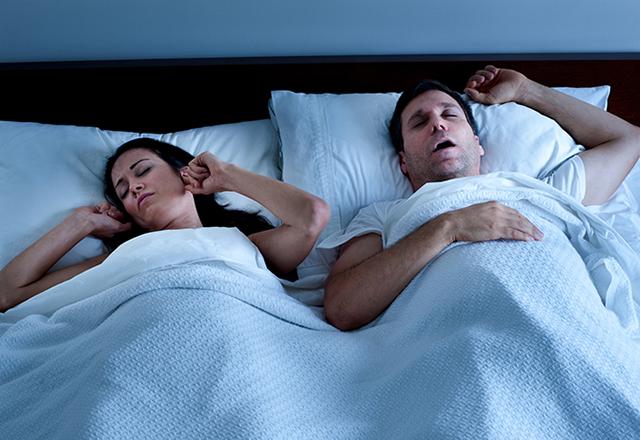
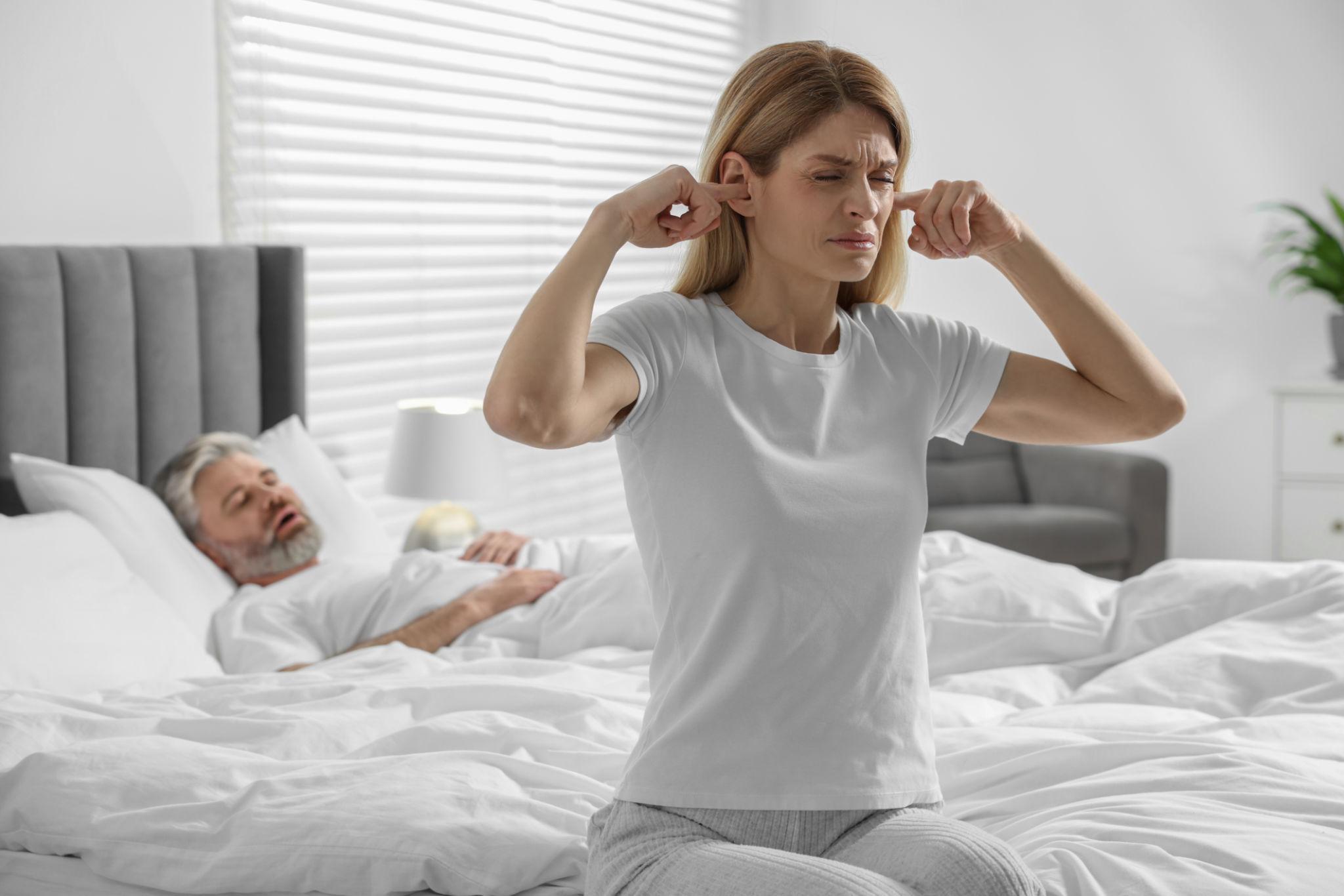
Husband had been snoring loudly enough that the wife had moved to the couch years ago. Bilingual consultation, treatment planning, sleep study coordination (referred to a Spanish-speaking sleep dentist in the area), and oral appliance fitting all conducted in Spanish. AHI dropped from 16 to 5 after titration. Wife moved back to the bedroom. She told us at the follow-up that being able to navigate the entire process in Spanish was the only reason her husband had been willing to address it at all.
DOT and CDL Driver Sleep Apnea Compliance
For commercial drivers, untreated sleep apnea isn’t only a health issue — it can directly affect medical certification and the ability to remain on the road. Drivers diagnosed with obstructive sleep apnea are generally expected to demonstrate ongoing treatment compliance to maintain certification requirements.
Because Fayetteville sits along major transportation corridors including I-95 and Highway 87, we regularly see drivers managing new OSA diagnoses during DOT physicals or looking for alternatives after struggling with CPAP.
Custom oral appliance therapy is recognized as an option for many drivers who qualify for this treatment pathway. Unlike CPAP equipment, oral appliances require no power source, take up very little space, and are easier to manage during long-haul routes, overnight stops, and irregular schedules.
Our team works with drivers and their healthcare providers to help coordinate treatment documentation and provide records needed for ongoing compliance requirements when appropriate.
Who Calls Us For Snoring Treatment in Fayetteville
The patients we see reflect the Fayetteville community itself.
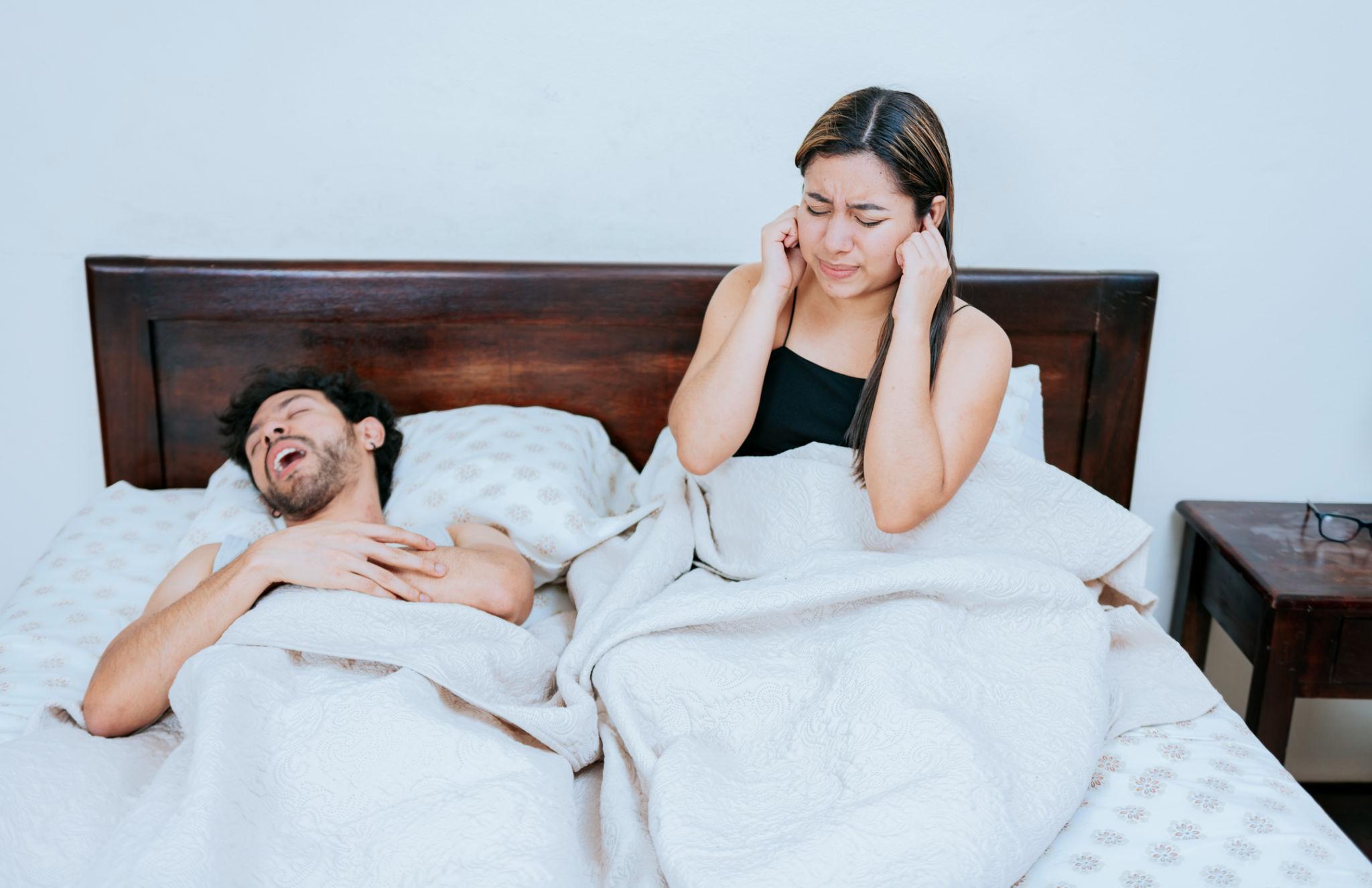
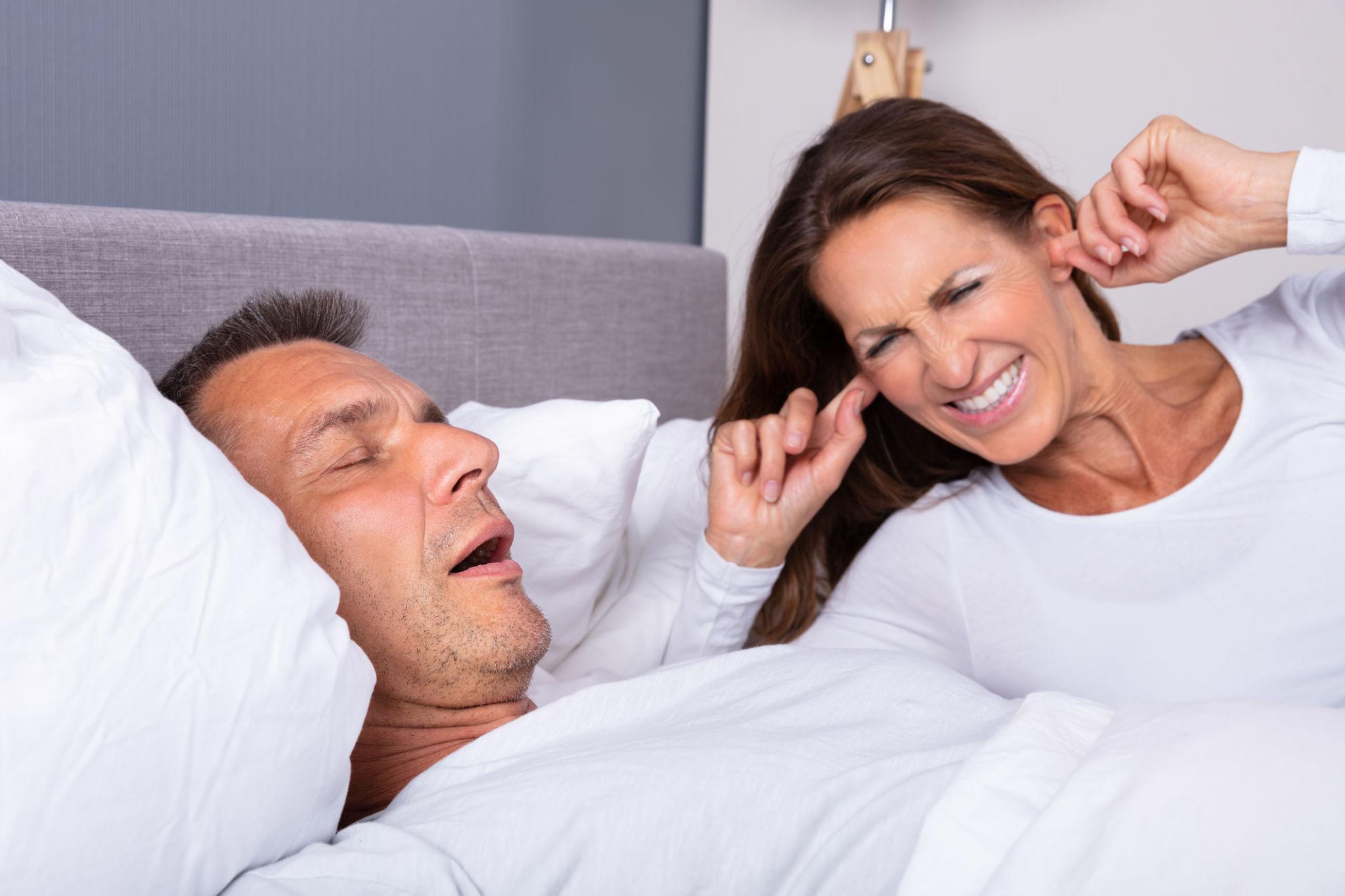
Some are active-duty service members trying to maintain readiness requirements while balancing demanding schedules. Others are veterans who stopped using CPAP years ago and never found another solution. We also regularly see commercial drivers preparing for certification renewals, spouses frustrated by years of severe snoring, and patients who simply want more energy during the day.
Patients frequently travel to our office from Hope Mills, Spring Lake, Raeford, Eastover, Cumberland County, Hoke County, and surrounding communities.
We also work with many Spanish-speaking families who prefer discussing treatment options in Spanish. Having care available in a language patients feel comfortable using often makes the process easier from consultation through follow-up care.
The The Oral Appliance Process — What to Expect
Treatment usually happens over several appointments spread across a few weeks rather than a single visit.
- Consultation and evaluation: We begin by reviewing symptoms, sleep history, snoring concerns, previous sleep studies, and medical history. We also evaluate your airway, jaw position, teeth, and bite to determine whether oral appliance therapy is appropriate.
- Sleep testing when necessary: Patients without an existing diagnosis may need a home sleep study or referral to a sleep physician for formal testing before treatment begins. We help coordinate that process when needed.
- Insurance review and authorization: Because oral appliance therapy for sleep apnea is usually billed through medical insurance rather than dental insurance, benefit verification happens before appliance fabrication whenever possible.
- Records and appliance fabrication: Digital scans or impressions are taken and sent to the dental sleep laboratory to create a custom appliance tailored to your anatomy and treatment goals. Fabrication timelines generally range from a few weeks depending on appliance type.
- Delivery and adjustments: Once delivered, the appliance is fitted and adjusted gradually over time. Small changes often produce better long-term comfort and treatment success than aggressive adjustments.
- Follow-up verification: For diagnosed OSA patients, follow-up testing is commonly recommended after adjustments are completed to confirm treatment effectiveness.
- Long-term monitoring: Periodic follow-ups help evaluate appliance fit, comfort, bite changes, and overall treatment success over time.
Caring for Your Oral Appliance
Taking care of an oral appliance is relatively simple and helps extend its lifespan.
Rinse the appliance after use, brush it gently using a soft brush and non-abrasive cleaner, and keep it stored in its protective case when not in use. Avoid hot water, which may distort the material over time.
A weekly soak using an appliance cleaner or denture-cleaning solution helps reduce buildup and odors.
Long-term success usually comes down to two things: wearing the appliance consistently and attending periodic follow-up visits. Regular evaluations allow us to monitor comfort, jaw health, fit changes, and wear patterns that naturally happen over time.
Most custom appliances remain functional for several years when maintained properly and replaced when needed.
Cost, Medical Insurance, and Financing for Sleep Apnea Treatment in Fayetteville
Custom oral appliances typically range from $1,500–$3,500 depending on appliance selection, case complexity, and treatment needs. However, many patients pay considerably less because treatment for diagnosed obstructive sleep apnea is usually billed through medical insurance rather than dental insurance.
Coverage requirements vary, but many plans require documentation such as sleep study results, physician prescriptions, and treatment records showing medical necessity. Our team reviews benefits and helps coordinate required paperwork before treatment whenever possible.
For military families, coverage pathways may involve medical benefits through Tricare rather than dental benefits. Medicare patients with qualifying diagnoses may also have coverage options available when documentation requirements are met.
Patients without insurance coverage often choose financing options that spread treatment costs into more manageable monthly payments.
Because every insurance plan works differently, benefit verification before treatment is one of the most important steps in the process.
Book Your Sleep Apnea Consultation in Fayetteville
If snoring or sleep apnea is affecting your readiness, your health, your sleep, or your relationship — active-duty, veteran, military spouse, civilian — the consultation is the easy first step. We bill medical insurance, coordinate sleep studies, work in Spanish if needed, and treat CDL drivers for DOT compliance. Book online or call (910) 484-5141.
Request More Information (Fayetteville)
Complete the form below and our team will contact you within 1 business day.
Sleep Apnea / Snoring in Fayetteville– Frequently Asked Questions
Does Tricare cover oral appliances for sleep apnea?
Tricare medical coverage for oral appliance therapy varies by plan and authorization requirements. Coverage typically goes through Tricare’s medical benefit (not dental). Our team verifies your specific situation and handles the medical billing pathway. Active-duty service members and military families with diagnosed OSA often have a clearer path to coverage than they realize.
I’m a veteran with a VA sleep study — can you still treat me?
Yes. Your VA-issued sleep study results and OSA diagnosis are typically sufficient documentation for medical insurance billing through your commercial or Medicare coverage. We coordinate with your primary care or sleep physician for the prescription if needed.
Is there a Spanish-speaking dentist for sleep apnea treatment?
Yes. Dr. Morales is a native Spanish speaker, and our team handles full sleep apnea consultations and oral appliance fittings in Spanish. Se habla español. Llame al (910) 484-5141.
How much does a custom oral appliance cost in Fayetteville?
$1,500–$3,500 out of pocket. With medical insurance coverage for diagnosed OSA, most patients pay $0–$500 in copays or coinsurance. We verify your specific coverage before treatment.
Can I switch from CPAP to an oral appliance?
Often yes. CPAP intolerance is a documented medical indication for oral appliance therapy and is recognized for insurance coverage. We work with your sleep physician to document the CPAP failure, fabricate the custom appliance, and verify efficacy after titration.
I’m a CDL driver — will this satisfy DOT compliance?
Yes. The FMCSA recognizes oral appliance therapy as a valid OSA treatment for commercial drivers, equivalent to CPAP for medical certification. We provide the compliance documentation your DOT examiner needs for your annual physical.
Will an oral appliance affect my deployment readiness?
Properly treated OSA via oral appliance generally satisfies the documentation requirements that diagnosed OSA places on service members. The appliance is travel-portable, requires no power, and deploys easily — a meaningful practical advantage over CPAP for active-duty patients. Specific assignment implications vary by service branch and MOS; we work with you on the documentation side.
How long does treatment take?
Six to ten weeks from consultation to fully titrated appliance. Initial consultation, sleep study coordination if needed, insurance verification, impressions, lab fabrication (2–4 weeks), delivery and titration (4–6 weeks).
Schedule Today!
We look forward to meeting you. Call (910) 484-5141 or request an appointment online to set up your first visit. We’ll be in touch soon.
O2 Dental Group of Fayetteville
Monday:
Tuesday:
Wednesday:
Thursday:
Friday:
Saturday:
Sunday:
8:00am – 6:00pm
8:00am – 6:00pm
8:00am – 6:00pm
8:00am – 6:00pm
8:00am – 4:00pm
CLOSED
CLOSED
