
Sleep Apnea & Snoring Treatment in Durham, NC
Snoring & Sleep Apnea Dentist in Durham, NC — The CPAP Alternative Near Southpoint
For many people diagnosed with sleep apnea, CPAP feels less like a solution and more like a nightly battle. Patients describe waking up tangled in tubing, removing the mask unconsciously during sleep, struggling with dry mouth, facial irritation, leaking air, or simply never adapting to the sensation of pressurized airflow. And once the machine ends up sitting unused on the nightstand, the underlying problem doesn’t disappear. Oxygen levels continue dropping throughout the night, sleep remains fragmented, and the long-term health consequences continue quietly in the background.
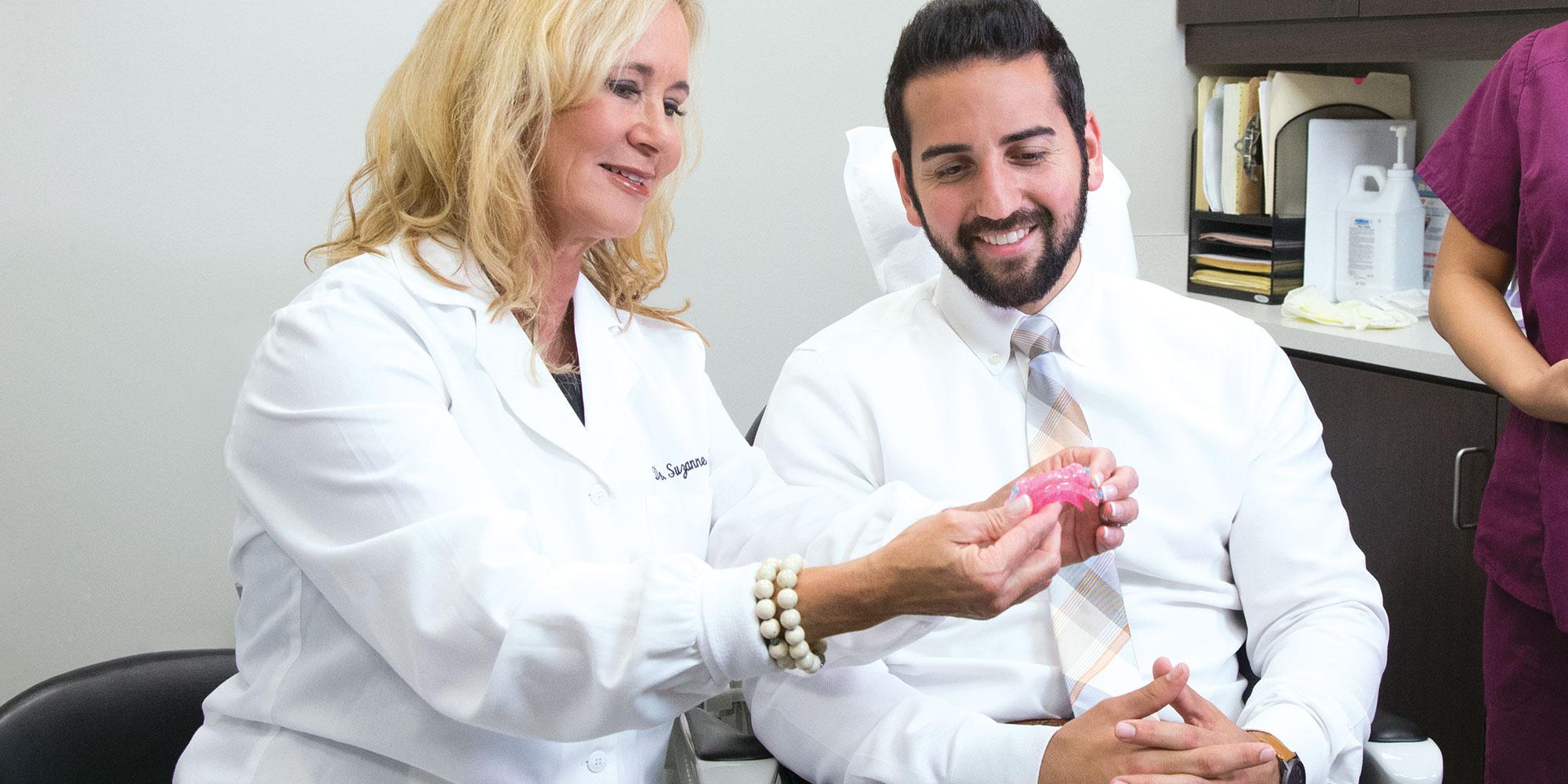
At O2 Dental Group of Durham near Southpoint, we provide custom oral appliance therapy for patients who either cannot tolerate CPAP or want a less intrusive treatment option for obstructive sleep apnea and chronic snoring. Oral appliances are FDA-cleared devices designed to gently reposition the lower jaw during sleep to help maintain an open airway. Unlike CPAP, there’s no mask, no hose, no noise, and no bulky machine beside the bed. We work with respected dental sleep medicine laboratories including SomnoMed, ProSomnus, Herbst, and EMA to fabricate precision-fitted appliances tailored to your anatomy and sleep condition.
This page explains how obstructive sleep apnea affects overall health, how oral appliance therapy works, which patients are good candidates, when CPAP is still the preferred treatment, what insurance may cover, and what to expect throughout the treatment process at our Durham office.
Sleep Appliance
Learn how a custom oral sleep appliance can help manage obstructive sleep apnea and reduce snoring by gently repositioning your jaw to keep your airway open while you sleep. This video explains how the appliance works, its benefits, and what to expect during treatment.
Share with Patient
Why Treating Sleep Apnea Is Important
Obstructive sleep apnea occurs when the airway repeatedly narrows or collapses during sleep, interrupting breathing for short periods throughout the night. Each interruption reduces oxygen intake and forces the brain to partially wake the body to restart breathing. These episodes may happen dozens of times per hour without the patient ever realizing it. The result is sleep that looks full-length on paper but never becomes genuinely restorative.
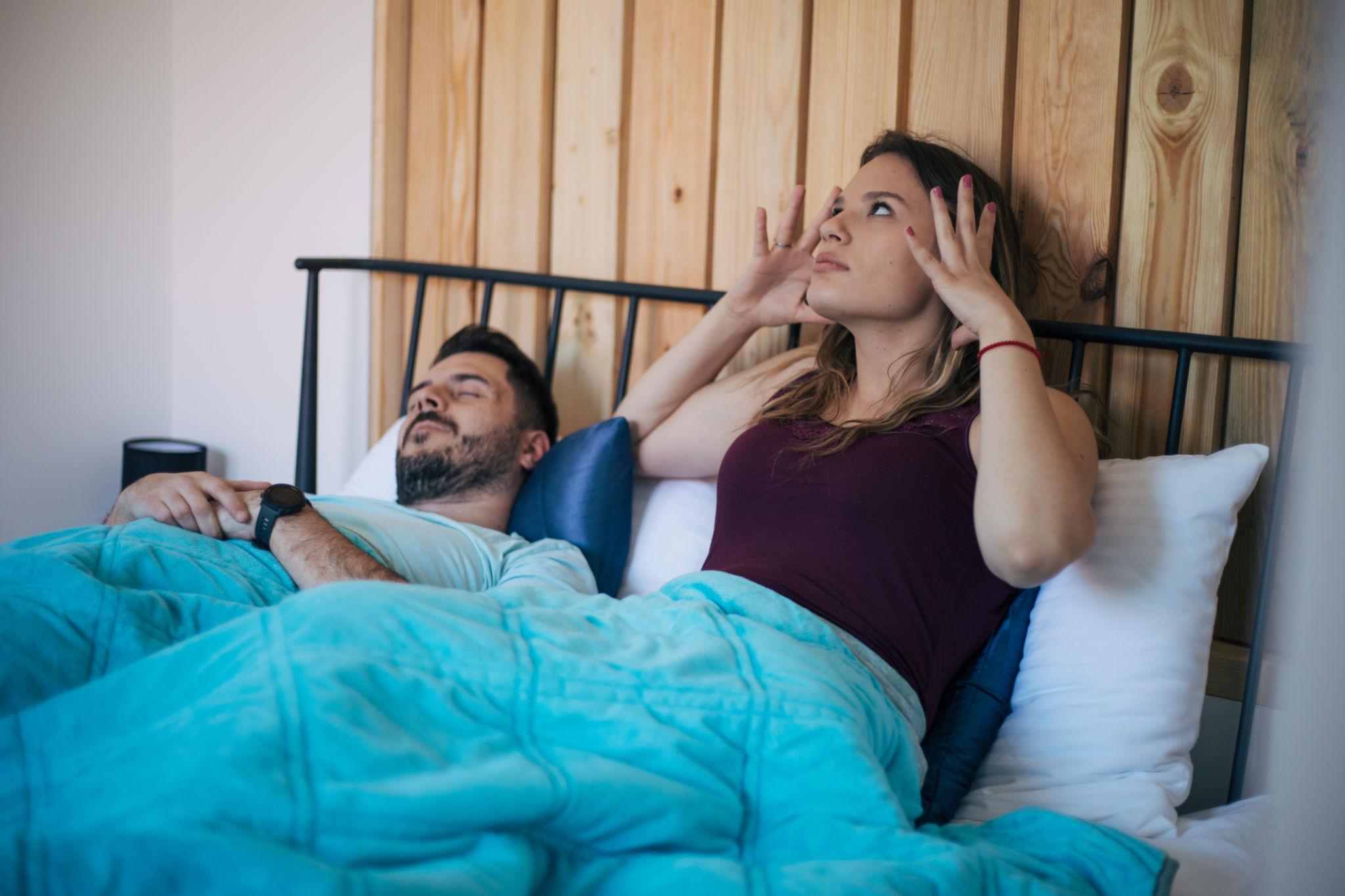
Over time, untreated sleep apnea has been strongly linked to elevated blood pressure, cardiovascular disease, stroke risk, insulin resistance, chronic fatigue, reduced concentration, and increased accident risk from daytime drowsiness. Many patients first seek treatment because they feel exhausted despite sleeping eight hours, while others come in after a spouse notices loud snoring, choking sounds, or pauses in breathing overnight.
Because Durham sits within one of the country’s strongest medical and research communities, many of our patients arrive already informed about sleep-disordered breathing and treatment options. Our consultations are designed to be clinical and educational rather than sales-driven. We discuss evidence, candidacy, expected outcomes, and limitations honestly so patients can make informed decisions.
Common Signs of Obstructive Sleep Apnea
Sleep apnea frequently goes undiagnosed because the symptoms occur during sleep itself. In many cases, the first warning comes from a spouse or partner who notices disrupted breathing patterns at night. Some of the most common symptoms we evaluate include:
- Heavy chronic snoring — snoring loud enough to disturb others, travel through walls, or regularly interrupt a partner’s sleep.
- Observed pauses in breathing — moments where breathing visibly stops before restarting with gasping, choking, or sudden movement.
- Persistent daytime exhaustion — struggling to stay awake during meetings, driving, reading, or afternoon activities despite adequate time in bed.
- Morning headaches — headaches shortly after waking caused by overnight oxygen fluctuations and disrupted sleep cycles.
- Dry mouth or throat irritation — often associated with nighttime mouth breathing during airway obstruction.
- Frequent nighttime waking or urination — repeated awakenings caused by oxygen drops and fragmented sleep architecture.
- Difficulty focusing or memory problems — many patients describe “brain fog,” reduced concentration, irritability, or declining mental clarity.
- High blood pressure that remains difficult to manage — especially when hypertension persists despite medication and lifestyle efforts.


Understanding Oral Appliance Therapy
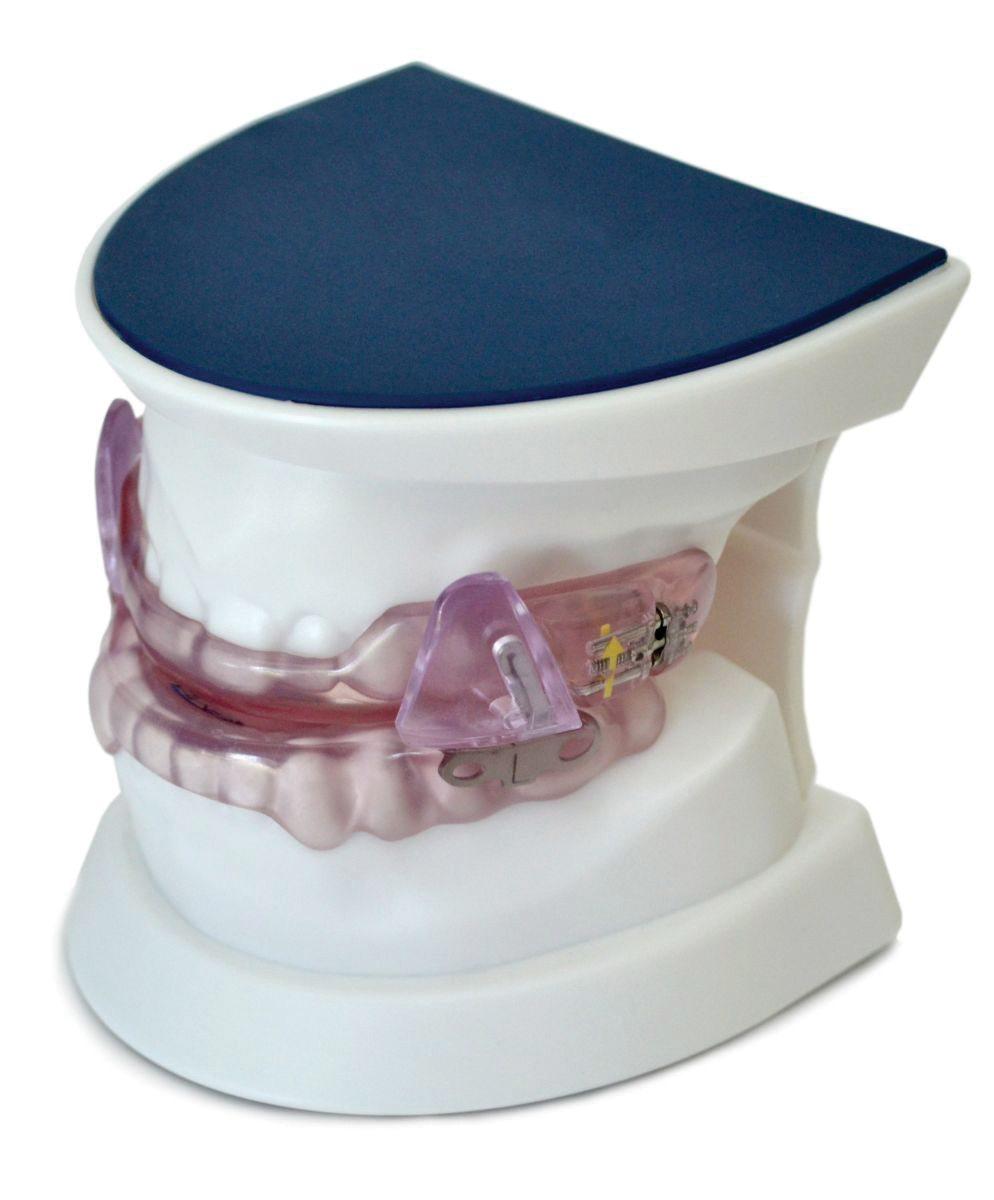
Oral appliance therapy uses a custom-made device worn during sleep to gently position the lower jaw forward, helping keep the airway open and reduce airway collapse. Most appliances use upper and lower trays connected by an adjustable mechanism that allows precise positioning for better breathing during sleep.
Compared to CPAP equipment, oral appliances are compact and easier to travel with. They resemble sports mouthguards but are custom-designed using detailed impressions of your teeth and bite for a more secure and comfortable fit.
Unlike generic “stop snoring” products sold online, professionally made oral appliances are designed around your specific anatomy and treatment needs. Custom devices provide more precise adjustments, improved comfort, and better long-term results.
At our Durham office, appliance selection is based on your airway anatomy, sleep study findings, bite relationship, and treatment goals to ensure the best clinical fit.
Oral Appliances vs. CPAP Therapy
CPAP remains the most effective treatment for severe obstructive sleep apnea when patients can tolerate consistent use. While it works well for many people, long-term comfort, noise, and convenience issues often make adherence difficult.
For patients with mild-to-moderate sleep apnea, chronic snoring, or CPAP intolerance, oral appliance therapy is an FDA-recognized alternative supported by the American Academy of Sleep Medicine. These devices improve airway stability without requiring a mask or machine.
CPAP is generally preferred for severe OSA and central sleep apnea, while oral appliances are often better suited for travelers, CPAP-intolerant patients, and those seeking a simpler long-term solution. Our focus is recommending the treatment patients are most likely to use consistently.

Sleep Apnea Treatment for CDL & DOT Drivers
Commercial drivers diagnosed with obstructive sleep apnea must maintain treatment compliance to preserve DOT medical certification under FMCSA guidelines. Because our Durham office is located near major transportation routes including I-40 and I-85, we routinely treat commercial drivers needing manageable long-term sleep apnea solutions.
For many drivers, oral appliance therapy offers practical advantages over CPAP while on the road. There’s no electrical equipment, distilled water, tubing, or machine setup required inside the truck cab. The appliance travels easily, stores compactly, and can be used consistently regardless of route or overnight location.
Custom oral appliances are recognized as an accepted treatment pathway for many commercial drivers with obstructive sleep apnea, and we coordinate with DOT medical examiners regarding documentation and compliance requirements when appropriate.
Who Calls Us For Sleep Apnea Treatment in Durham
Our Durham patient population reflects the broader Triangle region — healthcare professionals, university faculty, biotech employees, engineers, attorneys, executives, and professionals working within Duke, UNC, RTP, and surrounding research industries. Many patients come into the consultation already familiar with sleep studies, airway terminology, and published treatment data. They want a provider willing to discuss appliance design, treatment rationale, expected efficacy, and follow-up testing in a detailed and transparent way.
We also treat many patients who spent months or years trying to make CPAP work before finally searching for another option. These patients often assumed they had only two choices: continue struggling with the machine or ignore the condition entirely. Learning that oral appliance therapy is medically recognized, evidence-supported, and frequently billable through medical insurance is often a major turning point.
One of the most common things we hear during consultations is: “I wish someone had explained this option earlier.” Our goal is to make sure patients understand all legitimate treatment pathways clearly enough to choose the one they can realistically maintain for the long term.
A Few Sleep Apnea Cases We’ve Treated (Anonymized)
The Duke researcher who’d researched her own treatment
Walked into the consultation with three journal articles printed out, specific appliance brands she wanted us to consider, and questions about titration protocols and follow-up testing intervals. We had the conversation she wanted to have, fabricated a SomnoMed appliance based on the clinical literature she’d cited, and titrated over six weeks. Her follow-up sleep study at six months confirmed an AHI drop from 18 to 3. She told us at the final visit it was the first medical interaction she’d had in years where the clinician engaged with her on the actual evidence.
The Chapel Hill physician with CPAP intolerance
Pulmonologist, knew exactly what she was supposed to do, had been prescribed CPAP eight years earlier, had genuinely tried multiple mask types and pressure settings, and could not adapt to the machine. Continued working knowing she was untreated, which she described as professionally and personally untenable. We documented her CPAP failure for medical insurance, fabricated a Herbst appliance, and titrated carefully. Follow-up sleep study showed AHI dropped from 24 to 6. She referred three patients to us in the following six months.
The I-40 long-haul driver keeping his CDL
Identified during a DOT physical, given thirty days to demonstrate OSA treatment compliance or lose his medical certification. CPAP wasn’t practical for his lifestyle. We expedited the consultation, fabricated a ProSomnus appliance, and provided compliance documentation to his DOT examiner within his thirty-day window. Annual recertification has been straightforward ever since.

Caring For Oral Appliance
Oral appliances are easy to maintain. Rinse and clean the appliance daily using a soft toothbrush and non-abrasive cleaner, then store it in its protective case. Avoid hot water and abrasive toothpaste that can damage the material.
Consistent nightly wear and periodic follow-up visits help maintain results, monitor bite changes, and extend the life of the appliance.
The Oral Appliance Process — Step by Step
Oral appliance therapy typically takes place over several appointments across two to three months, allowing time for proper evaluation, customization, and follow-up.
- Consultation and evaluation: We review your symptoms, medical history, prior sleep studies, airway anatomy, bite relationship, and determine whether oral appliance therapy is the right fit. If testing is needed, we coordinate referrals to sleep specialists.
- Sleep testing (if required): Patients without a diagnosis may need a home sleep study or in-lab testing before treatment begins. Sleep physicians diagnose and interpret these studies while we coordinate the next steps.
- Insurance verification: Before fabrication, our team reviews medical insurance coverage and handles benefit verification and authorization paperwork when required.
- Custom fabrication and fitting: We take digital scans or impressions and send them to the lab for appliance fabrication. Most appliances are completed within two to four weeks. Once delivered, we check fit, comfort, and show you how to adjust the device gradually.
- Follow-up and monitoring: We monitor progress, confirm symptom improvement, and recommend periodic checkups to evaluate fit, comfort, and long-term effectiveness.

Cost, Medical Insurance, and Financing for Sleep Apnea Treatment
Custom oral appliances generally range from $1,500–$3,500 depending on treatment complexity and appliance type. Many patients pay significantly less because treatment is often covered through medical insurance rather than dental insurance.
Coverage commonly requires a recent sleep study and physician documentation. Our team helps verify benefits, manage paperwork, and discuss financing options for out-of-pocket costs.
Book Your Sleep Apnea Consultation in Durham
If snoring or sleep apnea is affecting your health, your sleep, or your relationship, the consultation is the simple next step. We bill medical insurance, we coordinate sleep studies, and we know when an oral appliance is the right answer and when CPAP genuinely is. Book online or call (919) 813-2267.
Sleep Apnea / Snoring in Durham – Frequently Asked Questions
How do I know if I’m a good candidate for an oral appliance?
Patients with mild-to-moderate obstructive sleep apnea, chronic snoring, or difficulty tolerating CPAP are often strong candidates. Your airway anatomy, sleep study results, bite relationship, and overall health all influence whether an appliance is likely to work effectively.
Will wearing an oral appliance feel uncomfortable at first?
Most patients experience a short adjustment period during the first few nights to weeks. Mild jaw tightness, extra saliva production, or temporary soreness can happen initially, but these symptoms typically improve as your mouth adapts to the appliance.
Can I travel with an oral appliance?
Yes. One advantage of oral appliance therapy is portability. The device fits in a small protective case, requires no electricity, and is easier to pack for work trips, vacations, overnight travel, or long commutes.
How often does the appliance need to be replaced?
Most custom oral appliances last between five and seven years depending on wear patterns, grinding habits, and changes in fit. Regular follow-up visits help determine when replacement or adjustments are needed.
What happens if I grind or clench my teeth at night?
Many patients with sleep apnea also grind their teeth. During your consultation, we evaluate for clenching and grinding because certain appliance designs work better for patients with higher bite forces or TMJ concerns.
Will I need follow-up appointments after receiving the appliance?
Yes. Follow-up visits are important for monitoring comfort, checking fit, adjusting jaw position, and evaluating treatment effectiveness. Small adjustments early in treatment often make a significant difference in long-term success.
Can oral appliances help partners sleep better too?
For many patients, snoring reduction is one of the first noticeable improvements. Better airflow often means quieter sleep, fewer nighttime disruptions, and better rest for both the patient and their partner.
What happens if my symptoms change over time?
Sleep apnea can change with age, weight fluctuations, medications, or health conditions. Periodic reevaluation helps ensure your appliance continues providing effective treatment as your needs change.
Request More Information (Durham)
Complete the form below and our team will contact you within 1 business day.
We provide sleep apnea & snoring treatment for patients in the Durham areas
Schedule Today!
We look forward to meeting you. Call (919) 813-2267 or request an appointment online to set up your first visit. We’ll be in touch soon.
O2 Dental Group of Durham
Monday:
Tuesday:
Wednesday:
Thursday:
Friday:
Saturday:
Sunday:
9:00am – 5:00pm
9:00am – 5:00pm
9:00am – 5:00pm
9:00am – 5:00pm
8:00am – 2:00pm (every other Friday)
CLOSED
CLOSED
