
Dental Bridges in Durham, NC
Understanding Dental Bridges in Durham — Materials, Lifespan, and Fit
When a tooth goes missing, a bridge is one of the most established ways to close the space: a lab-crafted replacement is held firmly by the teeth that border the opening, giving you back a stable bite without anything that comes out at night. At O2 Dental Group of Durham on Watkins Road, near the medical and research corridor that so many of our patients work in, we’ve found people here want the reasoning, not just the recommendation. So this page walks through what a bridge is actually made of, how long each kind holds up, and when a different route serves you better.

What Your Bridge Is Built From — And Why It Changes Things
The material under a bridge isn’t a cosmetic afterthought; it shapes strength, appearance, and how the restoration ages.
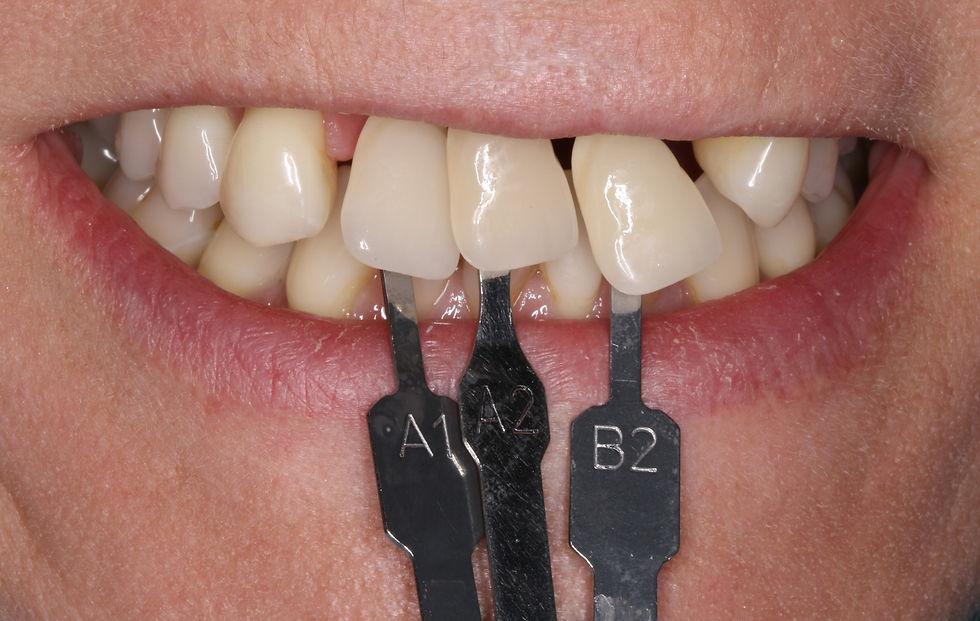
- Porcelain fused to metal. A metal substructure gives excellent strength with a porcelain shell for a natural look. The workhorse for back teeth that take heavy load, though a faint metal margin can show at the gumline over many years.
- All-ceramic and all-porcelain. No metal at all, so light passes through the way it does in a real tooth. The best match where appearance is everything; historically a little less rugged than metal-backed work, though modern ceramics have narrowed that gap considerably.
- Zirconia. A ceramic that behaves almost like metal for toughness while staying tooth-colored. Increasingly our default when a patient wants durability and aesthetics both, with no metal in the mouth.
We match the material to the location of the gap, your bite forces, and how much appearance matters — and we explain the trade-off rather than defaulting to one recipe for everyone.
The Configurations We Place
Beyond material, bridges differ in how they’re anchored. A standard bridge places a crown on each tooth beside the gap, with a false tooth fused into the middle. A cantilever version leans on a single anchor tooth, useful where only one side offers solid support. A Maryland bridge preserves the most natural structure by cementing a slim metal or porcelain framework against the rear of the adjacent teeth — the go-to for a lone incisor. And where a run of teeth is gone, an implant-supported bridge rests on titanium posts rather than natural teeth, which keeps the underlying bone stimulated.

How Long Should a Bridge Actually Last?
A well-made traditional bridge generally serves ten to fifteen years, and often longer, before it needs replacing — its lifespan tied to how well the anchor teeth beneath it stay healthy. Implant-supported bridges tend to outlast that, commonly twenty years or more, precisely because they don’t depend on the long-term fate of natural support teeth. The two variables most within your control are daily cleaning beneath the span and keeping your six-month checkups, where we catch a loosening margin or a failing anchor long before it becomes an emergency.
When an Implant Is the Better Long-Term Answer
If the teeth on both sides of your gap are intact and untouched by decay, a traditional bridge asks you to reduce healthy enamel purely to carry the restoration — a real cost in tooth structure. In those cases a dental implant is often the wiser investment: it leaves the neighbors alone, guards the bone at the site, and generally posts the better durability figures over a lifetime. We put the long-range economics of both in front of you so the decision is informed rather than reflexive.

Durham Cases We've Handled, Anonymized
A Hope Valley patient who valued the metal-free option.
A missing upper premolar sat between two teeth with sizeable old restorations that were on their way out. Because appearance mattered to her and both neighbors needed crowning regardless, we placed a full zirconia three-unit bridge — strong enough for the chewing zone, with no metal line to worry about down the road. Several years on it’s holding beautifully.
A patient near Southpoint with a long-empty span.
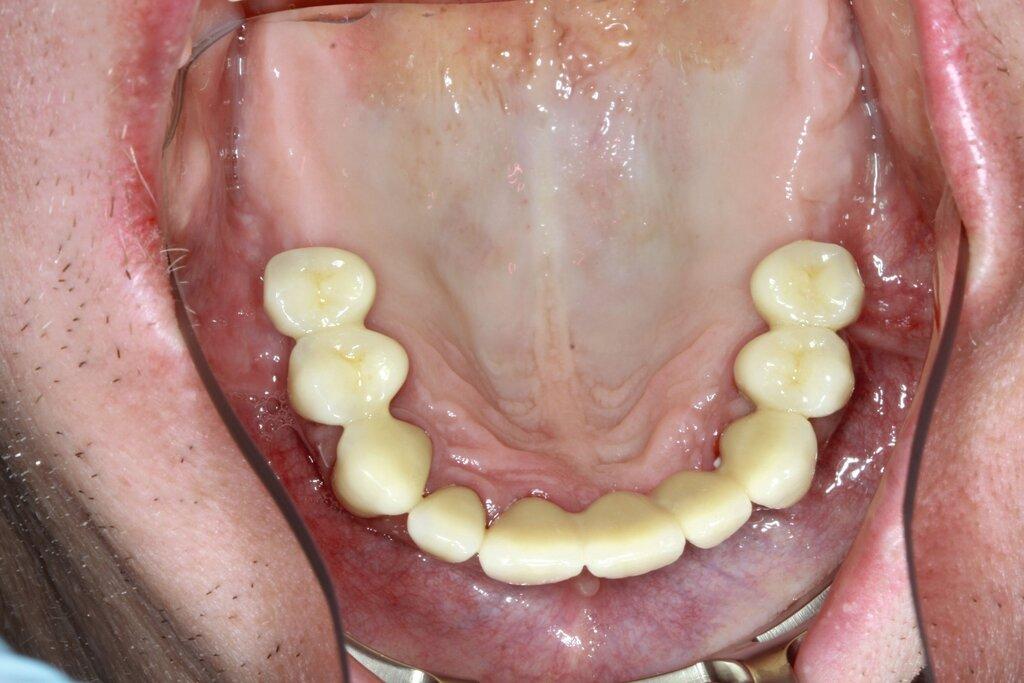
Three lower teeth had been gone for over a decade, and the ridge had thinned. Rather than graft extensively for three individual implants, we anchored two posts and bridged a four-unit span between them, restoring a functional bite without the surgical undertaking three separate implants would have required.
A Trinity Park patient replacing a single front tooth.
The neighboring teeth were pristine, and she was adamant about not grinding them down. A Maryland bridge cemented to the rear of those teeth gave her a natural-looking replacement while preserving nearly all of their structure — the conservative answer her case called for.
The Treatment Sequence
Plan on a first appointment for records and imaging, a second to prepare the anchor teeth and capture the impression — you go home in a provisional — and a third about two or three weeks on, once the laboratory has finished the restoration, to seat and bond it. An implant-anchored bridge runs far longer — on the order of four to seven months — because the fixtures have to knit into bone before they can shoulder a bite.
Bridge Costs at Our Durham Office
Traditional fixed bridges here range from $2,500 to $6,000, shaped by unit count, the material you choose, and case complexity — a standard three-unit bridge for one missing tooth commonly runs $3,000 to $4,500. Because zirconia and all-ceramic sit at the higher end of the material scale, the choice you make above feeds directly into where you land in that range. Implant-supported bridges run $12,000 to $18,000 for a two-implant, four-unit span, reflecting the surgical component and their longer service life. Bridges are billed as a major dental service, generally covered near half once your deductible is met; we handle the benefit check before you commit, and offer CareCredit, Sunbit, and the O2 Advantage Plan for the balance.
Durham Bridge FAQs
Which bridge material lasts the longest?
For raw durability, zirconia and porcelain-fused-to-metal lead; for a flawless front-tooth look, all-ceramic wins. The right answer depends on where the gap sits and how hard you chew there, which is exactly what we assess at the consult.
Is the procedure uncomfortable?
We numb the area fully before any shaping, so the prep visit itself is painless. A few days of mild sensitivity afterward is normal and fades quickly.
Can a bridge be taken off later?
A cemented bridge is meant to stay put, but a dentist can section and remove one if an anchor tooth fails or the restoration is damaged. A removed bridge generally can’t be reused — a new one is made.
What's the maintenance routine?
Brush normally, thread floss or run a water flosser beneath the false tooth daily, and keep your cleanings. Neglecting the space under the span is the single most common reason a bridge fails early.
Will my plan contribute?
Typically yes, at the major-services tier — roughly half following the deductible. Implant-supported coverage varies more, so we check your plan before treatment.
Communities We Serve Around Durham
From Watkins Road we’re a short trip for patients in Hope Valley, Woodcroft, Trinity Park, and the Ninth Street area, out to Southpoint and the Research Triangle Park corridor, and over toward Chapel Hill and Hillsborough.
Schedule Your Durham Bridge Consultation
Bring us the gap and whatever questions come with it. We’ll examine the space, lay out materials and lifespan in plain language, and steer you to the fit that actually makes sense for your mouth. Schedule online or dial (919) 813-2267.
We serve patients throughout the Durham areas
Schedule Today!
We look forward to meeting you. Call (919) 813-2267 or request an appointment online to set up your first visit. We’ll be in touch soon.
O2 Dental Group of Durham
Monday:
Tuesday:
Wednesday:
Thursday:
Friday:
Saturday:
Sunday:
9:00am – 5:00pm
9:00am – 5:00pm
9:00am – 5:00pm
9:00am – 5:00pm
8:00am – 2:00pm (every other Friday)
CLOSED
CLOSED
