
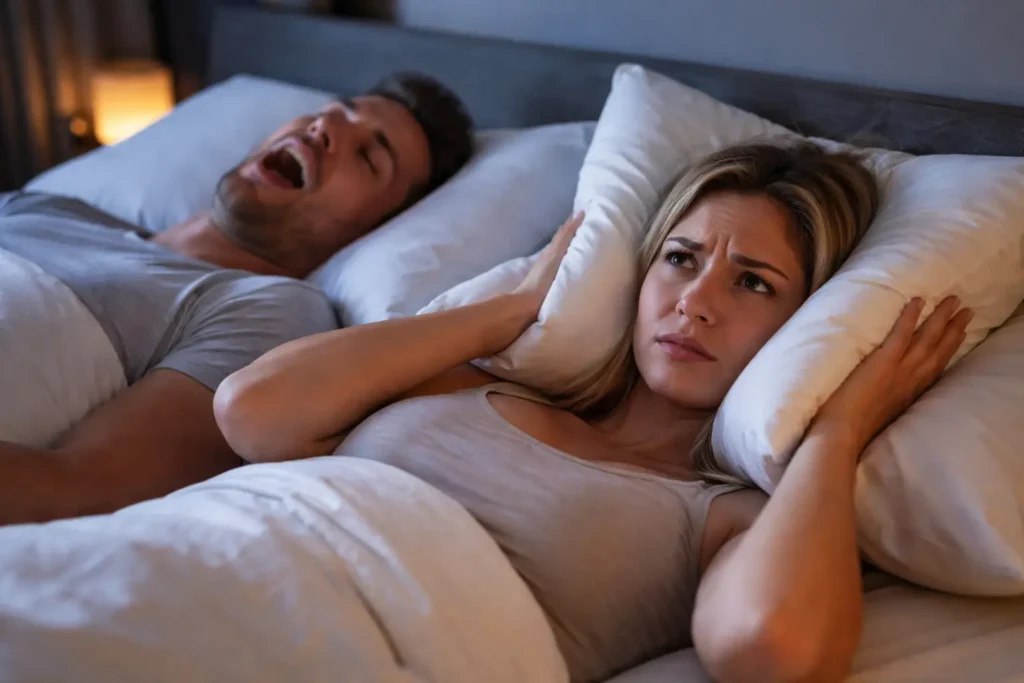
If you have been diagnosed with obstructive sleep apnea, chances are the first treatment you heard about was CPAP. That makes sense. CPAP has long been considered the standard treatment because it is highly effective at keeping the airway open during sleep when patients can use it consistently.
But effectiveness on paper is only part of the story.
For many patients, the bigger question is not just, “Which treatment works best?” It is, “Which treatment can I actually live with night after night?” That is where the conversation often shifts to oral appliance therapy.
For the right patient, a custom oral appliance can be a practical, comfortable alternative to CPAP—especially for people with mild to moderate obstructive sleep apnea or for people who struggle to tolerate PAP therapy. (AADSM)
This guide walks through the difference between CPAP and oral appliance therapy, the pros and limits of each, and how to think about which path may fit your health needs and lifestyle best.
Why Sleep Apnea Should Be Taken Seriously
Sleep apnea is not just snoring.
Obstructive sleep apnea happens when the airway repeatedly narrows or collapses during sleep, reducing airflow and disrupting normal sleep cycles. Over time, untreated OSA is associated with serious health consequences, including daytime sleepiness, cardiovascular strain, and reduced quality of life. (Mayo Clinic)
Common symptoms include:
- loud, chronic snoringhttps://www.mayoclinic.org/diseases-conditions/sleep-apnea/diagnosis-treatment/drc-20377636
- choking, gasping, or pauses in breathing during sleep
- waking up tired even after a full night in bed
- morning headaches
- daytime sleepiness
- trouble concentrating
- irritability or brain fog
If these symptoms sound familiar, the right next step is proper diagnosis through a physician or sleep specialist, not guesswork.
What Is CPAP Therapy?
CPAP stands for continuous positive airway pressure. It works by sending pressurized air through a mask to help keep the airway open while you sleep. CPAP and related PAP therapies remain the usual first-line treatment for many adults with OSA because they are generally the most effective option for reducing apnea events and improving oxygen levels when used as prescribed.
Why CPAP works well
CPAP does not depend on jaw position or anatomy alone. It mechanically supports the airway with airflow, which is one reason it can be especially helpful in more severe cases.
Why some patients struggle with CPAP
The challenge is that some patients find CPAP difficult to tolerate. Common complaints include mask discomfort, air leaks, claustrophobic feelings, dry mouth, congestion, and trouble getting used to the equipment. Mayo Clinic notes that dry mouth and air leaks are common enough that they publish troubleshooting guidance specifically around them.
So while CPAP can be very effective, it is not always easy for every patient to use comfortably and consistently.
What Is Oral Appliance Therapy?
Oral appliance therapy uses a custom dental device, usually worn only during sleep, to help keep the airway open. Most appliances do this by gently advancing the lower jaw forward, which can help reduce airway collapse in selected patients. Mayo Clinic describes these mouth devices as an alternative for some people with mild or moderate OSA and also for some people with severe OSA who cannot use CPAP.
The strongest evidence and guideline support are for a custom, titratable appliance provided through a collaborative process involving a sleep physician and a qualified dentist. The AASM/AADSM guideline recommends that sleep physicians consider oral appliances for adults with OSA who are intolerant of CPAP or who prefer an alternate therapy.
CPAP vs. Oral Appliance Therapy: The Big Differences
1. How they work
CPAP uses pressurized air to splint the airway open.
Oral appliances work by repositioning the jaw and related soft tissues to improve airway stability.
2. Effectiveness
CPAP generally does a better job of reducing breathing interruptions and improving oxygen saturation, which is why it remains the usual first-line therapy. Oral appliances can still be an effective treatment, especially in mild to moderate OSA and in patients who cannot tolerate PAP.
3. Comfort and livability
This is where oral appliances often appeal to patients. They are small, silent, portable, and do not require a mask, hose, or power source. For travel, camping, or patients who dislike sleeping with equipment on the face, that can be a major quality-of-life advantage.
4. Real-world use
A treatment only helps if the patient actually uses it. One reason oral appliance therapy remains important is that some patients who cannot successfully use CPAP may do much better with an appliance they can tolerate every night. That does not mean oral appliances outperform CPAP in raw physiologic effect, but it does mean they can be a highly practical treatment for the right person.
Who May Be a Good Candidate for an Oral Appliance?
Oral appliance therapy is often considered for:
- adults with mild to moderate obstructive sleep apnea
- adults with primary snoring after proper evaluation for OSA
- patients who cannot tolerate CPAP
- patients who prefer an alternative to PAP after diagnosis and discussion with their sleep physician
It may also be considered in selected severe cases when CPAP is not tolerated, though that decision should be made carefully with physician oversight.
Who May Still Need CPAP?
CPAP may still be the better fit when:
- sleep apnea is more severe
- oxygen levels drop significantly during sleep
- the patient has medical factors that make maximal airway support more important
- prior testing shows PAP is clearly the most effective option
- an oral appliance has already been tried without adequate control
The key point is that this is not a beauty contest between treatments. It is a matching process. The best treatment is the one that is both medically appropriate and realistically usable.
What Are the Downsides of Oral Appliance Therapy?
Oral appliance therapy can be an excellent option, but it is not perfect and it is not for everyone. Patients may experience temporary jaw soreness, tooth discomfort, excess salivation, dry mouth, or bite changes. Longer-term dental side effects, including tooth movement and occlusal changes, are recognized in the literature, which is one reason follow-up with a qualified dentist matters.
That does not make oral appliances a bad option. It just means they should be prescribed, adjusted, and monitored properly.
Why Customization Matters
A boil-and-bite mouthguard is not the same thing as a custom oral appliance for sleep apnea.
Guidelines support custom, titratable oral appliances rather than non-custom devices, because proper fit, adjustability, and follow-up are part of what makes treatment more effective and safer over time.
A proper process typically includes:
- diagnosis by a physician or sleep specialist
- review of whether oral appliance therapy is appropriate
- custom fabrication by a qualified dentist
- gradual adjustment of the device
- follow-up to assess comfort, bite, and treatment success
- confirmation of efficacy, often with follow-up sleep testing arranged through the treating medical team
Lifestyle Matters More Than People Realize
Treatment decisions are not made in a vacuum.
Some patients travel constantly and hate carrying equipment. Some cannot sleep comfortably with a mask. Some are side sleepers who find hoses and masks frustrating. Others do very well with PAP and prefer staying with the therapy they know works for them.
That is why this conversation should be individualized. A treatment that looks perfect on paper may fail in real life if it does not fit the person’s habits, comfort level, or willingness to use it consistently.
Final Thoughts
CPAP remains the standard first-line treatment for many patients with obstructive sleep apnea because it is generally the most effective at reducing breathing disruptions during sleep. But oral appliance therapy is not a fringe option. It is a well-established, evidence-based alternative for adults who prefer it or cannot tolerate CPAP, especially in mild to moderate OSA.
The right question is not, “Which option sounds better?”
It is, “Which option is medically appropriate for me, and which one am I actually likely to use?”
If you are exploring alternatives to CPAP or wondering whether a custom oral appliance may be a fit, the best next step is a coordinated conversation between your sleep physician and a dentist experienced in dental sleep medicine.
FAQ
Is an oral appliance as effective as CPAP?
Usually not in raw physiologic terms. CPAP generally reduces apnea events more than an oral appliance, which is why it remains first-line for many patients. But oral appliances can still be effective, especially for mild to moderate OSA or for patients who cannot tolerate CPAP.
Can I switch from CPAP to an oral appliance?
Sometimes, yes. Patients who are CPAP-intolerant or who prefer an alternative may be candidates for oral appliance therapy, but that decision should be made with proper evaluation and follow-up.
Will an oral appliance make my jaw sore?
It can cause temporary jaw soreness, tooth discomfort, or bite changes, especially early on. That is one reason custom fitting and follow-up adjustments matter.
Is an oral appliance only for mild sleep apnea?
It is most commonly used in mild to moderate OSA, but it may also be used in selected severe cases when CPAP is not tolerated or is refused.
Does insurance cover oral appliance therapy?
Coverage varies by plan and by whether medical-necessity requirements are met. It is common for coverage decisions to run through medical insurance rather than dental insurance, but patients should verify specifics with their insurer and treating office.
Do I still need follow-up testing with an oral appliance?
Often, yes. The AASM/AADSM guideline recommends follow-up sleep testing to confirm treatment efficacy after the appliance has been adjusted.
 Spanish