
Gum Disease Treatment in Wilmington, NC
Periodontal & Gum Disease Treatment in Wilmington, NC — Catch It Early, Treat It Well
Gum disease is the most underdiagnosed condition in dentistry. Most patients with mild-to-moderate periodontal disease don’t know they have it — the symptoms are subtle (occasional bleeding when brushing, slightly tender gums, mild bad breath), the progression is slow over years, and the consequences are easy to ignore until they become severe. By the time gum disease produces obvious symptoms — receding gums, loose teeth, visible bone loss — the damage is significantly harder to reverse than it would have been at the earlier stages.
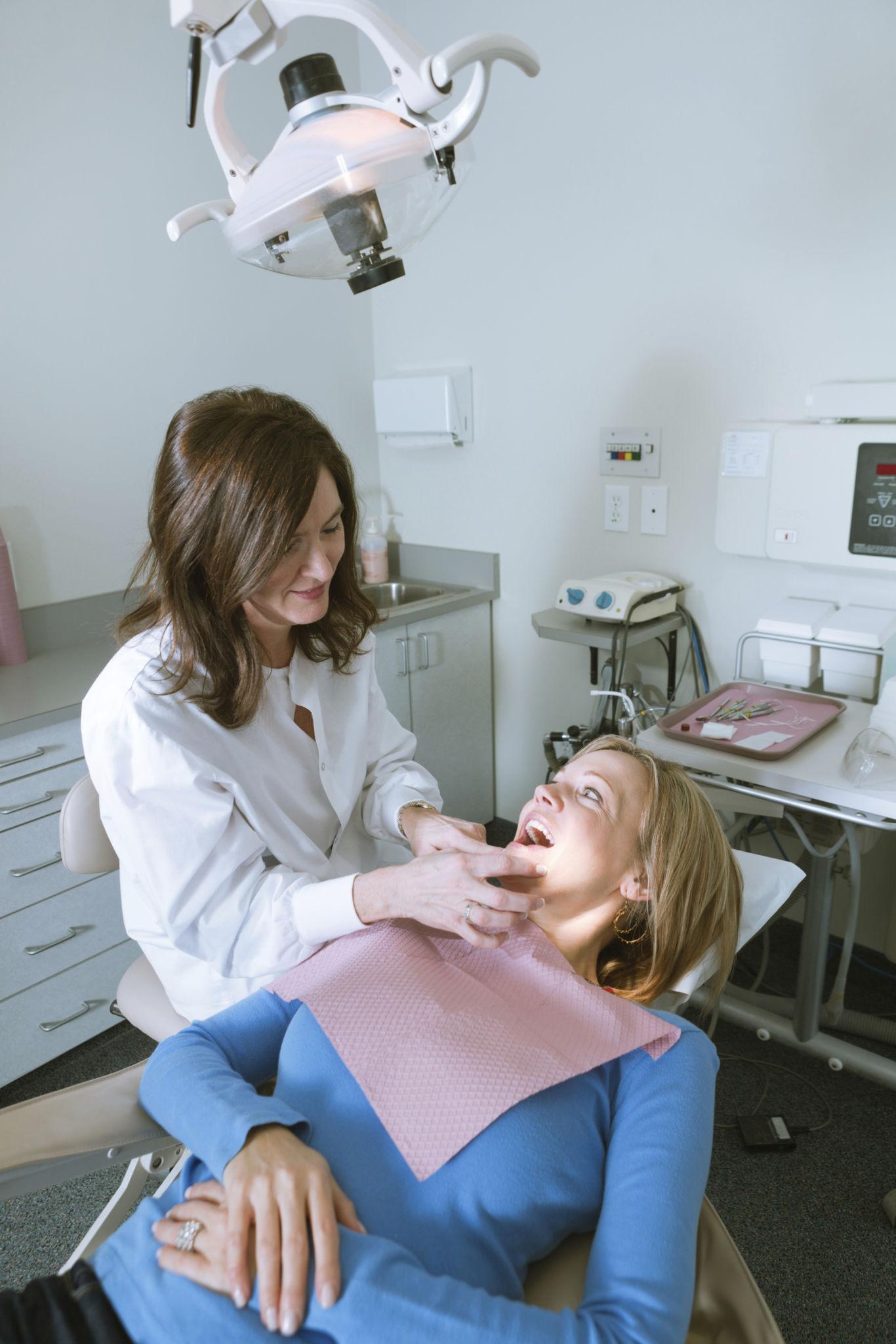
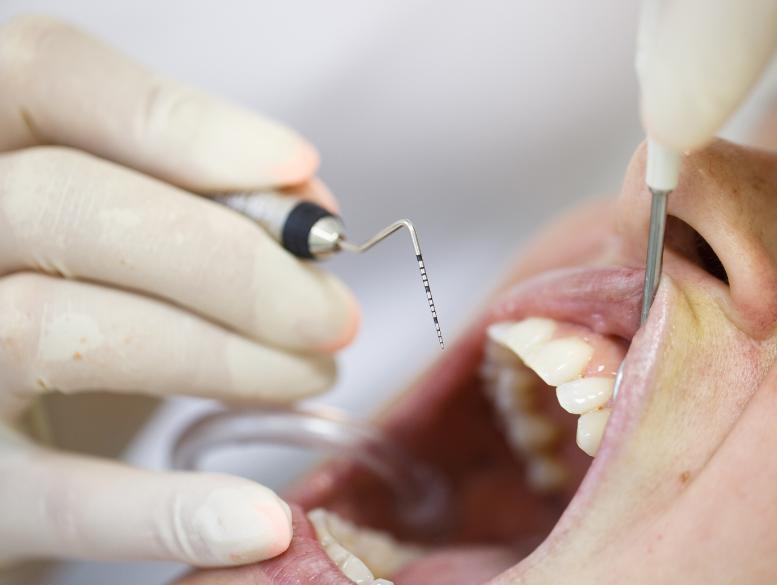
At O2 Dental Group of Wilmington on Market Street in Ogden, periodontal health is built into every routine cleaning and exam. We screen for gum disease at every six-month visit using a small periodontal probe that measures the depth of the space between your gums and your teeth (called “pocket depth”) at six points around every tooth. Patients with measurable early-stage gum disease get the conversation early, when treatment is still simple. Patients with more advanced disease get a structured treatment plan that gives them the best chance of stopping and partially reversing the progression.
This page covers what gum disease actually is, the difference between gingivitis (reversible) and periodontitis (manageable but not reversible), what treatment looks like at our office (scaling and root planing, perio maintenance, and what we refer out), and why this matters more than most people realize for both oral health and overall health.
Gingivitis vs Periodontitis — The Critical Distinction
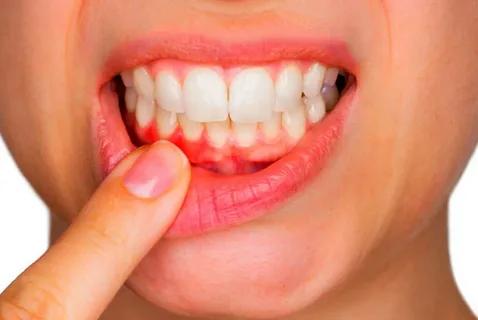
Gingivitis is the early, fully reversible stage of gum disease. Inflammation of the gum tissue caused by plaque and tartar buildup, presenting as gums that bleed when brushed or flossed, mild tenderness, and slight redness or swelling along the gumline. The bone supporting the teeth hasn’t been damaged yet. With proper professional cleaning and improved home care, gingivitis can be fully reversed — the gums return to healthy pink, the bleeding stops, no permanent damage occurs.
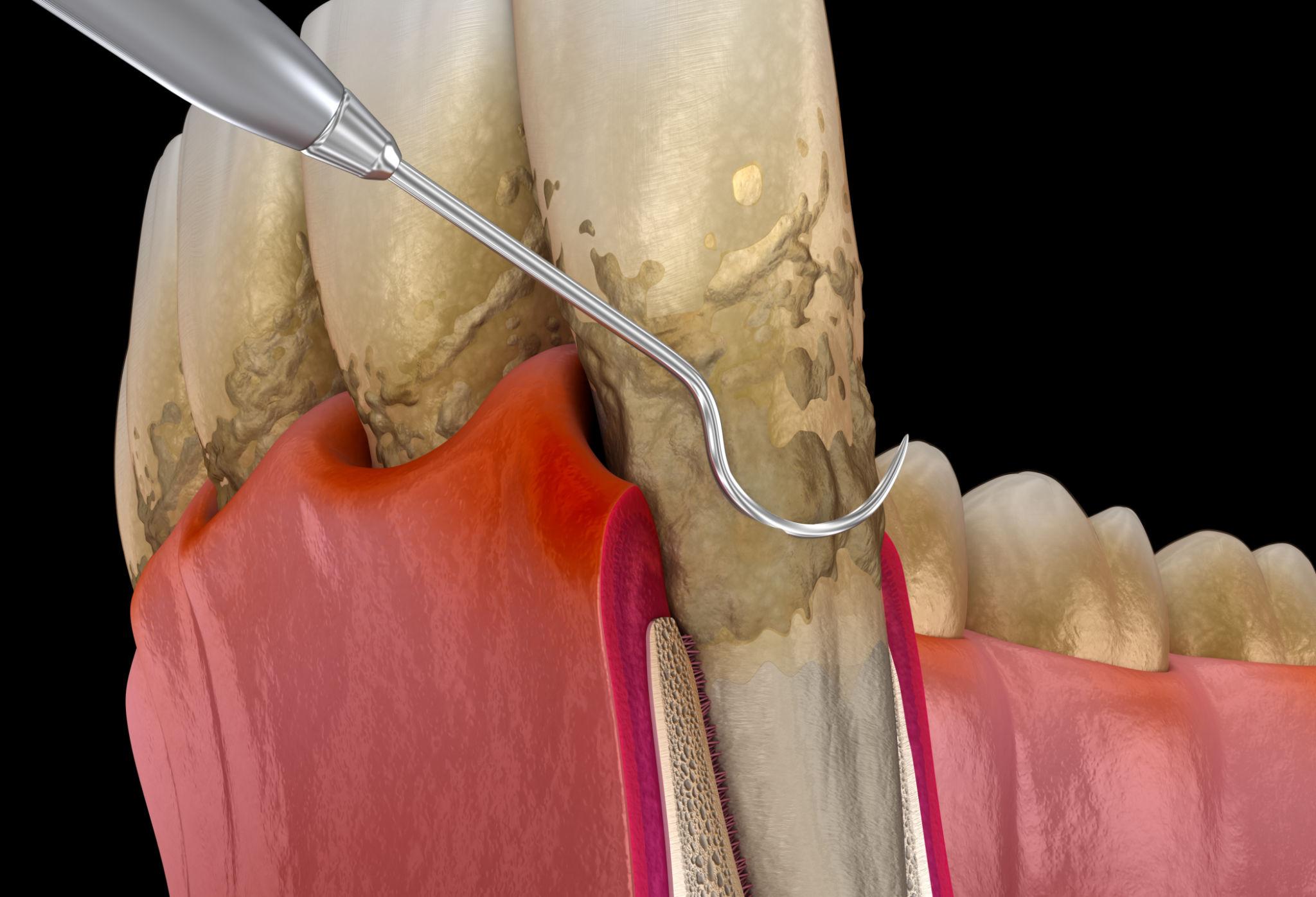
Periodontitis is the more advanced stage where the inflammation has progressed past the gum tissue into the bone supporting the teeth. The supporting bone starts to resorb (shrink), the gums begin to recede from the teeth, the spaces between gums and teeth (pockets) deepen and become harder to clean. Periodontitis isn’t reversible — you can’t regrow significant amounts of lost bone with conventional treatment — but it can be managed and the progression can be stopped. The earlier the intervention, the more tooth structure and supporting bone you preserve.
The transition from gingivitis to early periodontitis can happen without obvious symptoms. That’s why routine periodontal screening at every cleaning visit matters. Catching the disease at the gingivitis stage means full reversal. Catching it at early periodontitis means stopping the progression before significant damage. Catching it at late periodontitis means saving the teeth you can and replacing the ones already too compromised.
What We Handle In-House and What We Refer Out
At our Wilmington office, we handle the routine and moderate-complexity periodontal care that covers the vast majority of cases:
- Periodontal screening at every cleaning visit — pocket depth measurements at six points around every tooth, evaluation of bleeding, recession, and tissue health.
- Scaling and root planing (deep cleaning) — the standard treatment for early-to-moderate periodontitis. Removal of plaque and tartar from above and below the gumline, smoothing of root surfaces to allow gum tissue to reattach more securely. Typically done over two appointments, one side of the mouth per visit, with local anesthesia.
- Periodontal maintenance — after scaling and root planing, patients with a history of periodontitis need cleanings every three months (rather than every six) to maintain the stabilized condition. Maintenance visits include continued pocket-depth monitoring.
- Antimicrobial therapy — for cases where targeted antibiotic application within periodontal pockets is clinically warranted.
- Home care coaching — specific brushing and flossing techniques, water flossers and interdental brushes for patients with deeper pockets, prescription rinses when appropriate.
When We Refer to a Periodontist
Complex or surgical periodontal cases benefit from a periodontist’s specialized expertise. We refer out for cases requiring osseous (bone) surgery, soft tissue grafting for severe recession, regenerative periodontal procedures (attempting to regrow lost bone with specialized membranes and grafting materials), advanced laser-assisted periodontal procedures, and complex cases with multiple severely periodontally compromised teeth where treatment planning requires specialist involvement.
We coordinate the referral, stay engaged with your treatment, and continue your routine and maintenance care after the specialist phase is complete. The continuity matters — your periodontal history stays in our records, your follow-up monitoring stays consistent.
Why This Matters Beyond Oral Health
Periodontitis isn’t just a dental problem. A meaningful body of medical research has linked moderate-to-severe periodontitis with increased risk of cardiovascular disease, poorer glycemic control in diabetic patients, complications during pregnancy, and possibly increased risk of certain other systemic conditions. The mechanism appears to be the chronic systemic inflammation that periodontitis creates — bacteria from the periodontal pockets entering the bloodstream and triggering inflammatory responses elsewhere in the body.
Patients with diabetes have a bidirectional relationship with periodontal disease in particular — poorly controlled blood sugar makes periodontal disease worse, and untreated periodontal disease worsens glycemic control. For diabetic patients in particular, periodontal management is part of overall diabetes management, not just oral health.
A Few Periodontal Cases We’ve Seen in Wilmington (Anonymized)
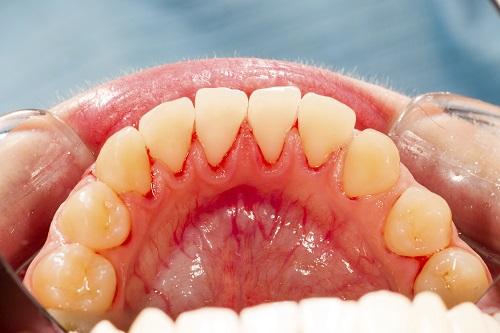
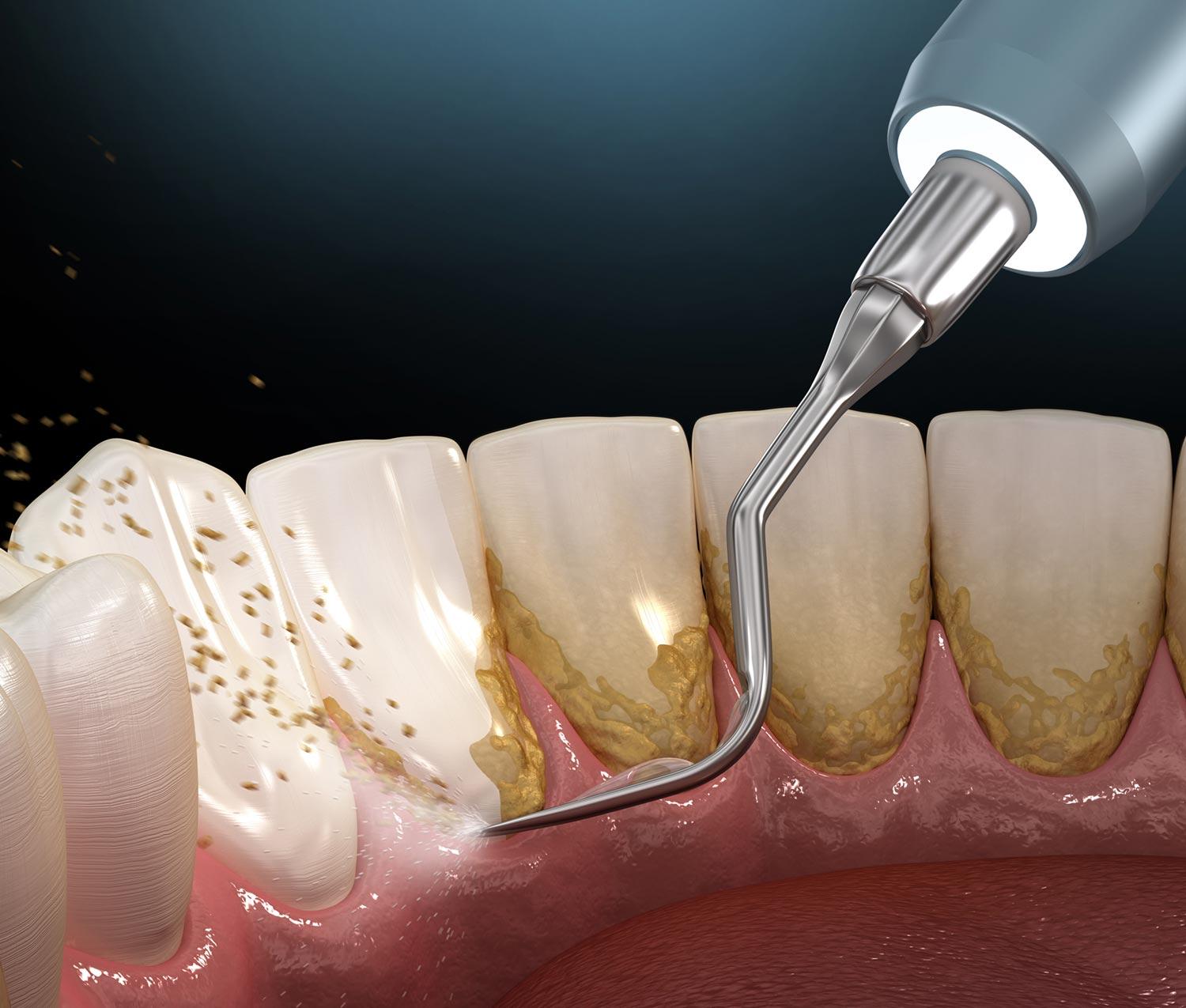
The Mayfaire patient diagnosed with early periodontitis during a routine cleaning
Forty-five-year-old who’d been coming in for routine cleanings for years at a previous practice that hadn’t been screening for periodontal disease consistently. New patient cleaning here revealed pocket depths of 4–6mm around several molars and bleeding on probing throughout. Diagnosis: localized early periodontitis. We did scaling and root planing over two visits, switched her to three-month maintenance cleanings, and added a water flosser and interdental brush protocol to her home care. Two years later, her pocket depths have stabilized at healthier levels, bleeding has resolved, and the bone loss has not progressed. Treatment intervention at the right stage prevented what would otherwise have become significantly more advanced disease.
The Landfall diabetic patient with worsening glycemic control
Long-term type 2 diabetic in his mid-sixties whose A1C had been creeping up despite stable medication and diet. His endocrinologist had asked whether he’d had a recent dental cleaning. Came in for new-patient periodontal evaluation; we found moderate generalized periodontitis with multiple 5–7mm pockets. Did full-mouth scaling and root planing over two sessions, started him on three-month maintenance. Six months later, his A1C had dropped back into his usual range — not because of the dental treatment alone, but because removing the chronic periodontal inflammation removed one of the systemic factors making his diabetes harder to control. His endocrinologist was the one who pointed it out to him.
The Wrightsville Beach hospitality worker who hadn’t had a cleaning in six years
Long gap in dental care, came in finally because of bad breath that wasn’t responding to anything. Examination revealed moderate-to-advanced periodontitis throughout, with several teeth showing 6–8mm pocket depths and obvious gum recession. The case was beyond what could be handled with just scaling and root planing — we referred her to a periodontist for surgical periodontal treatment and bone grafting at the worst sites, then resumed in-house maintenance care after the specialist phase. Two years out, she has stabilized condition and has kept all her teeth. The case would have been much simpler if she’d come in three years earlier; it would have been much worse if she’d waited two more years.
Cost of Gum Disease Treatment in Wilmington
Scaling and root planing at our Wilmington office runs $200–$350 per quadrant. Most cases require either two quadrants (one side of the mouth) or four quadrants (full mouth) treated over one or two visits with local anesthesia. Periodontal maintenance cleanings (the every-three-month follow-ups) run $150–$250 per visit, comparable to a regular cleaning but with the additional periodontal monitoring built in.
Most dental insurance plans cover periodontal therapy at a higher rate than routine cleanings (typically 70–80% after the deductible, vs. 100% for preventive). Some plans require documentation of periodontal disease before approving the higher periodontal cleaning rate — we handle that documentation as part of treatment. Periodontal maintenance every three months is typically covered. We verify your specific coverage before treatment.
Periodontal & Gum Disease FAQs — Frequently Asked Questions
How do I know if I have gum disease?
The most reliable way is periodontal screening at a dental cleaning — measurements of pocket depth around every tooth that detect disease before obvious symptoms appear. Early-stage gingivitis often presents as gums that bleed when brushing or flossing. More advanced periodontitis can include gum recession, visible bone loss on X-rays, loose teeth, and persistent bad breath. Many patients with early periodontal disease have no obvious symptoms at all.
What’s the difference between a regular cleaning and a deep cleaning?
A regular cleaning (prophylaxis) removes plaque and surface tartar above the gumline for patients with healthy or mildly inflamed gums. A deep cleaning (scaling and root planing) removes plaque and tartar from below the gumline as well, smooths the root surfaces, and is the standard treatment for patients with early-to-moderate periodontitis. Deep cleanings typically use local anesthesia and take longer than regular cleanings.
Can gum disease be cured?
Gingivitis (the early stage, before bone loss) can be fully reversed with proper treatment and improved home care. Periodontitis (the more advanced stage, with bone loss) can’t be cured but can be effectively managed — the progression can be stopped and the condition stabilized at the current level of damage. Early intervention preserves more tooth structure and supporting bone.
How much does periodontal treatment cost in Wilmington?
Scaling and root planing runs $200–$350 per quadrant. Most patients need either two or four quadrants treated. Periodontal maintenance cleanings every three months run $150–$250. Most insurance plans cover periodontal therapy at 70–80% after deductible.
Do you do surgical gum procedures?
We handle scaling, root planing, and periodontal maintenance in-house at the Wilmington office. Complex or surgical periodontal procedures — osseous (bone) surgery, soft tissue grafting, regenerative periodontal work — we refer to a periodontist we work with regularly. We coordinate the referral and continue your routine and maintenance care after the specialist phase.
Will I need three-month cleanings forever?
Patients with a history of moderate-to-advanced periodontitis typically need three-month maintenance cleanings indefinitely to maintain the stabilized condition. The structural damage from prior periodontitis means the disease is more likely to recur with longer intervals between professional cleanings.
Can gum disease affect my overall health?
Yes. Research has consistently linked moderate-to-severe periodontitis with increased risk of cardiovascular disease, poorer glycemic control in diabetics, pregnancy complications, and other systemic conditions. The chronic inflammation from untreated periodontal disease appears to contribute to broader systemic inflammation. For diabetic patients in particular, periodontal management is part of overall diabetes care.
What can I do at home to prevent gum disease?
Brush twice a day with proper technique (focusing on the gumline, not just the tooth surfaces), floss daily, consider a water flosser if traditional floss is difficult, and maintain consistent six-month (or three-month for periodontal maintenance) cleanings. We coach the specific techniques and tools that match your individual needs at every visit.
Local Areas We Serve in and Around Wilmington
Our Wilmington office is conveniently located off Market Street, making it easy to get here from Ogden and the Mayfaire area. We also welcome patients from nearby communities like Leland and Hampstead, as well as Porters Neck, Wrightsville Beach, Downtown Wilmington, Monkey Junction, Castle Hayne, and Carolina Beach.
- Ogden
- Mayfaire
- Leland
- Hampstead
- Porters Neck
- Wrightsville Beach
- Castle Hayne
- Carolina Beach
- Downtown Wilmington
- Monkey Junction
book your periodontal Consultation in Wilmington
Periodontal disease is dramatically more manageable when caught early. If you haven’t had a cleaning in more than a year, or if you’ve noticed bleeding when you brush, the consultation is the simple first step. We screen, we explain what we find, we treat what needs treating, and we refer out when specialist involvement is the right answer. Book online or call (910) 377-6453.
Request More Information About periodontal in Wilmington
Fill out this short form and a member of our Willington team will contact you to answer your questions and help you schedule periodontal consultation.
Schedule Today!
We look forward to meeting you. Call (910) 377-6453 or request an appointment online to set up your first visit. We’ll be in touch soon.
O2 Dental Group of Wilmington
Monday:
Tuesday:
Wednesday:
Thursday:
Friday:
Saturday:
Sunday:
8:00am – 6:00pm
8:00am – 6:00pm
8:00am – 6:00pm
8:00am – 6:00pm
CLOSED
CLOSED
CLOSED
