
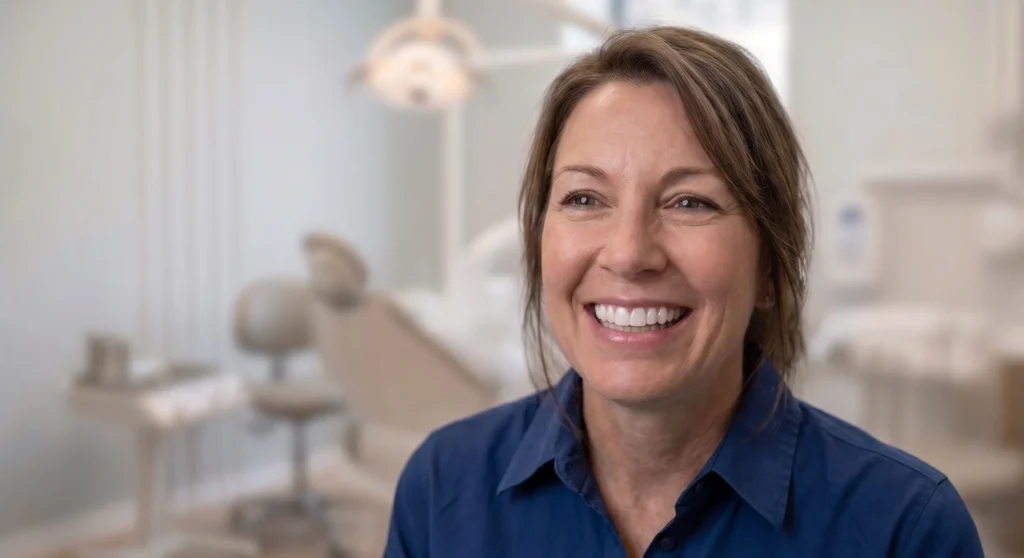
A truly beautiful smile rarely comes from a single treatment. The smiles you admire on friends, celebrities, and that impossibly photogenic coworker are almost always the result of thoughtful smile design — a layered, custom-planned blend of aesthetic procedures working in harmony. At the top of that list, for thousands of patients each year, sits the powerful combination of porcelain veneers and professional teeth whitening.
Done correctly, this pairing creates results that feel natural, balanced, and genuinely yours. Done in the wrong order, however, it can leave you with mismatched shades, compromised restorations, or an unnatural look. That’s why understanding how to layer these treatments — and why timing matters — makes all the difference.
In this complete guide, the team at O2 Dental Group walks you through how modern smile design works, why combining veneers and whitening produces such stunning outcomes, and exactly how to plan your treatment sequence for lasting beauty.
Understanding Smile Design: More Than Just White Teeth
Smile design isn’t just picking a shade off a chart and hoping for the best. It’s a clinical and artistic process that considers your face shape, lip line, gum symmetry, tooth proportions, skin tone, age, and personality. When done well, it looks effortlessly natural — because it was planned to look that way.
The Art and Science Behind Modern Smile Design
Modern smile design draws from principles of facial aesthetics first articulated centuries ago and refined by today’s digital dentistry tools. Dentists now analyze:
- Golden proportions — the mathematical ratios between your front teeth
- Smile arc — how your upper teeth follow the curve of your lower lip
- Buccal corridors — the dark spaces at the corners of a wide smile
- Midline alignment — balancing the center of your teeth with your face
- Gingival zenith — the highest point of the gum line on each tooth
- Tooth shape and character — soft, bold, youthful, classic, or personalized
These aren’t abstract concepts. Using digital smile design software, intraoral scanners, and 3D previews, patients can now see their future smile before any permanent treatment begins. It’s a remarkable shift from the old “hope for the best” approach that defined cosmetic dentistry a generation ago.
Why “Layering” Aesthetic Treatments Matters
A single procedure rarely addresses every issue. Whitening brightens, but it can’t change tooth shape or fix chips. Veneers reshape and perfect, but they don’t alter the natural teeth behind them. Orthodontics aligns, but it doesn’t change color or proportion.
Layering — performing treatments in a strategic sequence — allows each procedure to contribute what it does best:
- Whitening sets the ideal baseline shade
- Orthodontics or aligners correct alignment if needed
- Veneers refine shape, symmetry, and final aesthetics
- Gum contouring (when appropriate) perfects the frame
The smile that results is cohesive and natural. Skipping the layering logic is one of the most common mistakes in cosmetic dentistry — and the reason so many DIY or rushed makeovers fall short.
The Role of Professional Whitening in a Smile Design Plan
If veneers are the headliner of a cosmetic makeover, whitening is the foundation. It’s the first brushstroke on the canvas — and one of the most underrated elements of smart smile design.
What Whitening Can (and Cannot) Achieve
Professional whitening is remarkably effective at lifting surface (extrinsic) stains caused by coffee, wine, tea, berries, tobacco, and time. It can brighten natural teeth by several shades in a single visit, producing results that rival far more expensive treatments.
What whitening cannot do:
- Change the shape, size, or alignment of your teeth
- Whiten existing fillings, crowns, or veneers
- Remove internal (intrinsic) stains from trauma or medications
- Correct chips, gaps, or worn edges
Recognizing these limits is exactly why whitening is often paired with veneers — each fills gaps the other can’t. The American Academy of Cosmetic Dentistry emphasizes this combined approach as a hallmark of modern cosmetic protocols.
Types of Whitening Used in Smile Design
Not all whitening is created equal, and your smile design plan may include one or more of the following:
- In-office whitening — high-concentration gel applied in a single clinical visit
- Custom take-home trays — dentist-made trays with professional-grade gel
- Pre-veneer whitening — specific protocol to establish your target shade
- Maintenance whitening — periodic touch-ups to protect long-term results
In-Office vs. Take-Home Protocols
| Feature | In-Office Whitening | Take-Home Trays |
| Timeline | 1 visit (60–90 min) | 1–2 weeks |
| Gel strength | Higher | Moderate |
| Ideal for | Fast results, deep stains | Gradual, natural brightening |
| Sensitivity risk | Slightly higher | Lower |
| Use in smile design | Establish shade fast | Fine-tune final result |
Your smile designer will select the right combination depending on your timeline, sensitivity tolerance, and the number of veneers planned.
How Porcelain Veneers Complete a Custom Smile Design
Once your natural teeth reach their ideal shade, veneers take your smile across the finish line. Think of them as custom-designed porcelain shells, thinner than a contact lens, bonded to the front of your teeth to perfect shape, color, alignment, and proportion.
What Veneers Correct That Whitening Can’t
Porcelain veneers are uniquely capable of addressing:
- Permanently discolored or tetracycline-stained teeth
- Chipped, worn, or fractured edges
- Small gaps (diastemas) between teeth
- Slightly crooked or rotated teeth
- Short or disproportionately small teeth
- Peg laterals (underdeveloped lateral incisors)
- Uneven tooth lengths
- Stubborn enamel defects or white spots
For many patients, veneers solve problems that years of whitening and orthodontics simply couldn’t touch. If you’re curious about the specific veneer options available, our team at O2 Dental Group offers a detailed breakdown of porcelain veneers and how they’re crafted for truly individualized results.
Modern Veneer Materials and Techniques
Today’s veneers are dramatically different from the bulky, opaque versions of the 1990s. Modern materials offer stunning translucency that mimics natural enamel:
- Feldspathic porcelain — handcrafted, artistic, beautifully translucent
- Lithium disilicate (e.max) — strong, natural-looking, highly popular
- Zirconia veneers — ultra-durable, ideal for patients who grind
- No-prep veneers (Lumineers) — minimal enamel reduction for candidates who qualify
- Composite veneers — more affordable, shorter lifespan, great for previews
Your dentist will recommend a material based on your enamel condition, bite, lifestyle, and aesthetic goals. According to the National Institute of Dental and Craniofacial Research, advances in bonding agents and ceramics have significantly extended the lifespan and safety of modern dental restorations — a reassurance worth noting for patients weighing a long-term investment.
The Golden Rule of Combining Veneers and Whitening
If you remember nothing else from this guide, remember this: whitening always comes before veneers — never after.
Why Whitening Must Come First
Veneers are custom-fabricated to match a specific tooth shade. Once bonded, that shade is permanent. Unlike natural enamel, porcelain doesn’t respond to bleaching gels. If you whiten your natural teeth after placing veneers, your natural teeth will become lighter than the veneers — leaving you with an obvious mismatch and, often, the expensive prospect of replacing the veneers.
The correct sequence protects your investment and guarantees a harmonious result:
- Consultation and smile design preview
- Professional whitening of all natural teeth
- Shade stabilization period (2 weeks minimum)
- Veneer preparation and fabrication
- Final veneer placement
- Optional maintenance whitening for non-veneered teeth
This sequencing ensures that when your veneers are matched to your natural teeth, both are at their brightest best.
Managing Sensitivity Between Stages
One practical tip often overlooked: both whitening and veneer preparation can cause temporary tooth sensitivity. Between these stages, we recommend:
- Using a desensitizing toothpaste with potassium nitrate
- Avoiding extremely hot or cold foods for a few days
- Gentle brushing with a soft-bristled toothbrush
- Skipping whitening strips or abrasive scrubs during treatment
- Keeping up with follow-up appointments for comfort checks
Small adjustments between stages make the full journey far more comfortable.
Real Results: What a Layered Smile Design Feels Like
The patients who come through O2 Dental Group for a full smile design often describe the experience in strikingly similar ways — and it’s rarely about the teeth themselves.
They talk about:
- Feeling more confident in photos, meetings, and first dates
- Laughing freely instead of covering their mouth
- Finally matching their outward smile to the vibrant person they feel inside
- A sense of “coming home” to a smile that looks like it was always meant to be theirs
- Renewed motivation to maintain excellent oral hygiene
The emotional component of smile design is very real. Studies in cosmetic dentistry have repeatedly shown that patients who undergo aesthetic smile improvements report measurable boosts in self-esteem, social confidence, and even professional opportunities.
A well-layered smile design doesn’t just change your teeth. It often changes how you move through the world.
Who Makes an Ideal Candidate?
Not everyone needs veneers, and not everyone is ready for them. Ideal smile design candidates typically share these characteristics:
- Good overall oral health, with no active decay or gum disease
- Realistic expectations supported by a digital preview
- Commitment to follow-up care and hygiene
- A stable bite or willingness to address alignment first
- Enough healthy enamel to support bonding
If these boxes aren’t fully checked yet, your dentist can create a preparatory plan — addressing underlying issues first so your smile design starts on a healthy foundation.
Frequently Asked Questions About Smile Design, Veneers, and Whitening
Can I get veneers without whitening my teeth first?
Yes, but it’s rarely the best choice. Whitening first lets you match your veneers to brighter natural teeth, ensuring harmony across your smile. Skipping this step locks you into the current shade of your natural teeth for life — unless you later replace the veneers.
How long should I wait between whitening and getting veneers?
Most cosmetic dentists recommend waiting at least 2 weeks after whitening before fabricating veneers. This allows the tooth shade to stabilize and the bonding surface to return to optimal condition for strong, long-lasting veneer adhesion.
Will my veneers look fake or unnatural?
Modern veneers, especially those made from lithium disilicate or feldspathic porcelain, are crafted for lifelike translucency. A skilled cosmetic dentist designs them to match the character of your natural teeth — avoiding the “Chiclet” look of older veneer generations.
How much does a full smile design cost?
Costs vary widely depending on the number of veneers, materials chosen, whitening protocol, and any additional procedures like gum contouring. Treatment plans commonly range from $3,000 for a few veneers plus whitening to $25,000+ for a complete smile makeover. Personalized pricing is provided at consultation.
How long do veneers last compared to whitening results?
Porcelain veneers typically last 10–15 years with proper care, while professional whitening results last 1–3 years depending on habits. Periodic whitening touch-ups on non-veneered teeth help maintain color harmony long-term.
Do veneers damage my natural teeth?
Traditional veneers require removing a thin layer of enamel, which is irreversible. However, with modern minimal-prep techniques and strong bonding agents, veneers are considered a safe and long-lasting restoration when placed by an experienced cosmetic dentist.
Can I combine smile design with orthodontics or Invisalign?
Absolutely. In many cases, aligning the teeth first dramatically reduces the number of veneers needed and produces a more conservative, healthier result. Orthodontics is often the first stage of complex smile design plans.
How do I know if smile design is right for me?
The best way to know is through a consultation that includes a digital smile preview, bite analysis, and honest conversation about your goals and budget. O2 Dental Group offers personalized consultations so you can make an informed decision with zero pressure. You can request an appointment online to get started.
Design the Smile You’ve Always Pictured
Your smile is one of the first things people notice about you — and one of the first things you notice about yourself every morning. When it feels aligned with the person you are inside, it becomes an asset in every dimension of life: career, relationships, and self-image.
At O2 Dental Group, our team approaches smile design as the layered art it truly is. From that first whitening session to your final veneer placement, every stage is planned, previewed, and executed with your long-term happiness in mind. Serving patients throughout Wilmington, Fayetteville, and surrounding North Carolina communities, we’ve helped countless people move from “someday” to “done.”
Appointments for comprehensive smile design consultations tend to fill up quickly, especially before wedding seasons, holidays, and graduation months. If you’ve been imagining a brighter, more confident smile, there’s no better time to take the first step. Call O2 Dental Group today or request your appointment online — and let’s design a smile you’ll love wearing for years to come.

Add O2 Dental Group to your Preferred Sources
