
Root Canals in Wilmington, NC
Root Canal Treatment in Wilmington, NC — Modern Endodontic Care on Market Street
Root canals have a worse reputation than they deserve. The reputation comes from procedures done decades ago, with older techniques, on patients who arrived already in significant pain from a tooth that should have been treated weeks earlier. Modern root canal treatment is a different procedure entirely — done well, on a tooth caught at the right time, it’s comparable to getting a routine filling. The patient leaves out of pain, with the tooth saved rather than extracted, and most of the recovery is over within a day or two.
At O2 Dental Group of Wilmington on Market Street in Ogden, we handle root canal treatment in-house — same office, same dentist, same continuity of care that handles the rest of your dental needs. Dr. Olu performs the endodontic work directly, with modern instrumentation, gentle anesthesia protocols, and the time-and-care commitment that turns a procedure with a bad reputation into a procedure most patients leave saying “that wasn’t bad at all.”
This page covers what root canal treatment actually involves, when it’s necessary, what to expect during and after the procedure, the truth about pain (then and now), what we don’t do (true same-day “emergency” root canals — we’ll explain why), and the typical timeline from initial pain to fully restored tooth.
Root Canal
Learn how root canal treatment removes infected or damaged tissue from inside a tooth, relieves pain, and helps preserve your natural tooth. This video explains the procedure, what to expect during treatment, and how a restored tooth can continue to function normally for years.
Share with Patient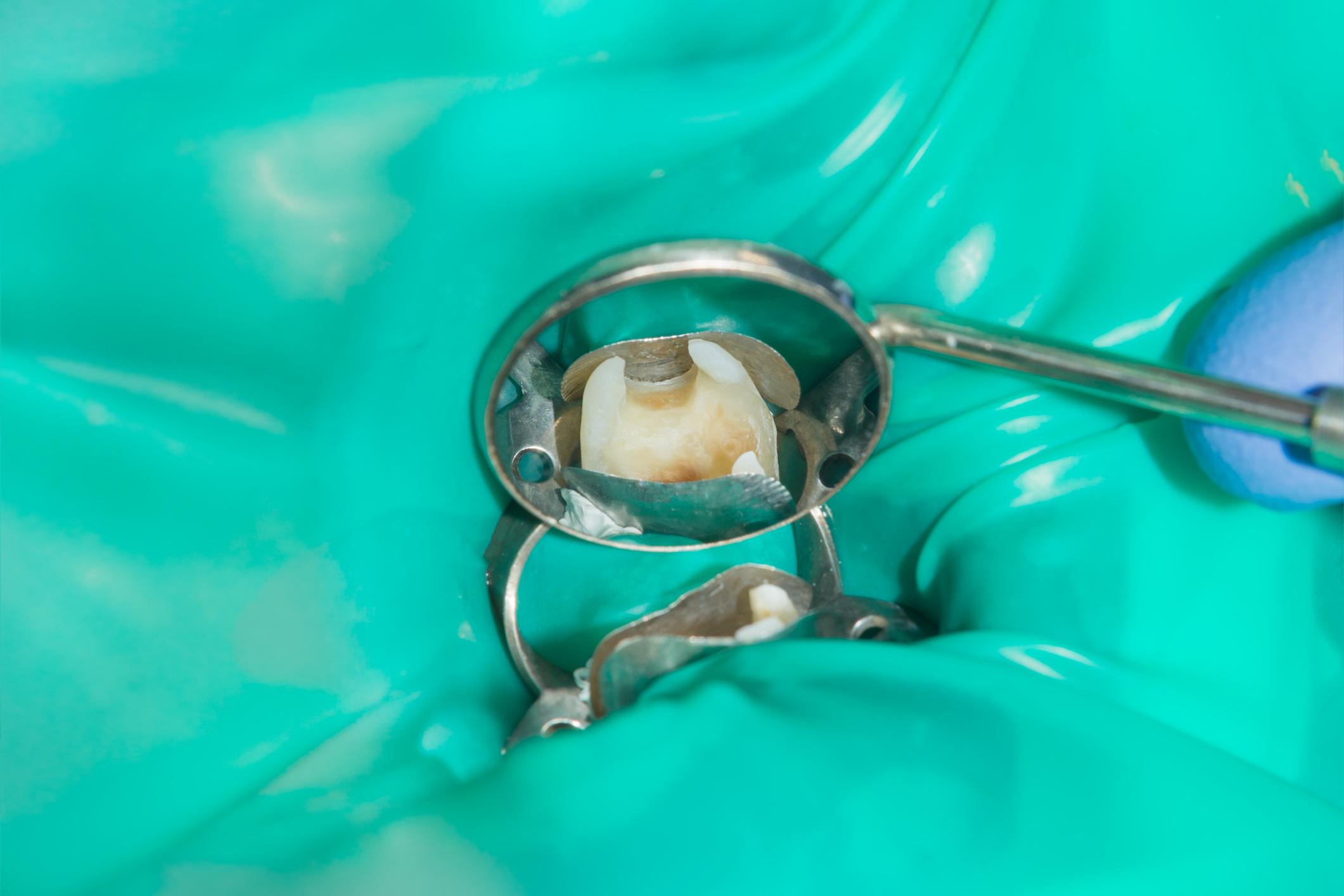
What a Root Canal Actually Is
Inside every tooth is a small chamber containing soft tissue — nerves and blood vessels collectively called the dental pulp. When the pulp becomes infected or inflamed (from deep decay, repeated dental work on the same tooth, a crack that lets bacteria reach the pulp, or trauma), it can’t heal on its own the way other body tissues can, because the inflammation has nowhere to drain inside the rigid tooth structure. The result is pain that worsens over days or weeks, and eventually an infection that can spread beyond the tooth into the surrounding bone.
A root canal removes the infected or inflamed pulp tissue, cleans and shapes the inside of the tooth’s root canals, and seals them with a biocompatible material called gutta-percha. The result is a tooth that’s no longer alive in the biological sense but is still functionally yours — you keep the natural tooth structure, the surrounding bone stays intact, and the tooth can serve you for decades. The alternative for an infected tooth that doesn’t get a root canal is typically extraction, with all the cascading replacement decisions that follow.
When You Need Root Canal Treatment in Wilmington
The most reliable indicator is sustained tooth pain that doesn’t respond to over-the-counter pain medication. The patterns we see most often:
- Persistent toothache — throbbing pain in a specific tooth that’s lasted several days, often worse when lying down or when biting on the tooth.
- Heat or cold sensitivity that lingers — sensitivity to hot coffee or cold drinks that takes more than a few seconds to resolve after the temperature stimulus is gone.
- Visible swelling near the tooth — a bump on the gum near the affected tooth, sometimes draining intermittently. Indicates infection has reached the root tip.
- Discoloration of a single tooth — darkening of one specific tooth (especially after past trauma) can indicate pulp death even without significant pain.
- Failed previous dental work — a tooth that’s had multiple fillings, large crowns, or repeated treatment may eventually need endodontic intervention as the pulp becomes irreversibly inflamed.
What We Don’t Promise — Same-Day Emergency Root Canals
Some practices advertise “same-day emergency root canals” as a marketing draw. We don’t — because the clinical reality usually doesn’t support it. When a patient arrives in significant pain from an infected tooth, the right immediate care is usually getting them out of pain that visit (drainage if needed, antibiotics if there’s active infection, prescription pain management) and scheduling the actual root canal procedure as soon as the case allows it to be done correctly.
Rushing endodontic work into an emergency window is how things go wrong. The procedure benefits from time — proper anesthesia, careful imaging, adequate working time, the right instruments for the specific anatomy. We get you comfortable the day you come in, then schedule the procedure for the right timeframe. For most patients, that means the root canal itself happens within a few days to a week of the initial emergency visit — not weeks later, but also not rushed into the same chair when you’re still in active pain.
What the Root Canal Procedure Actually Involves
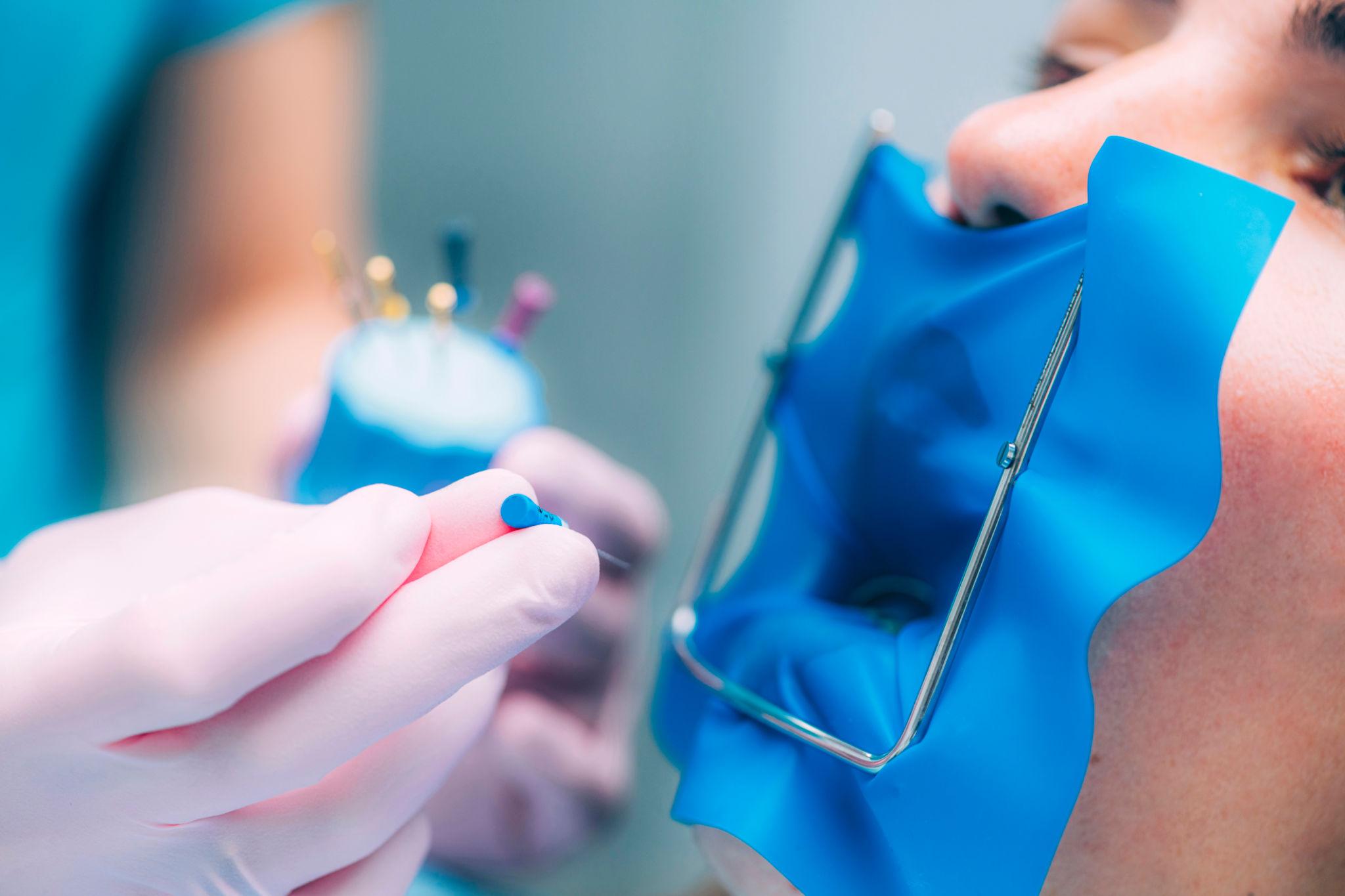
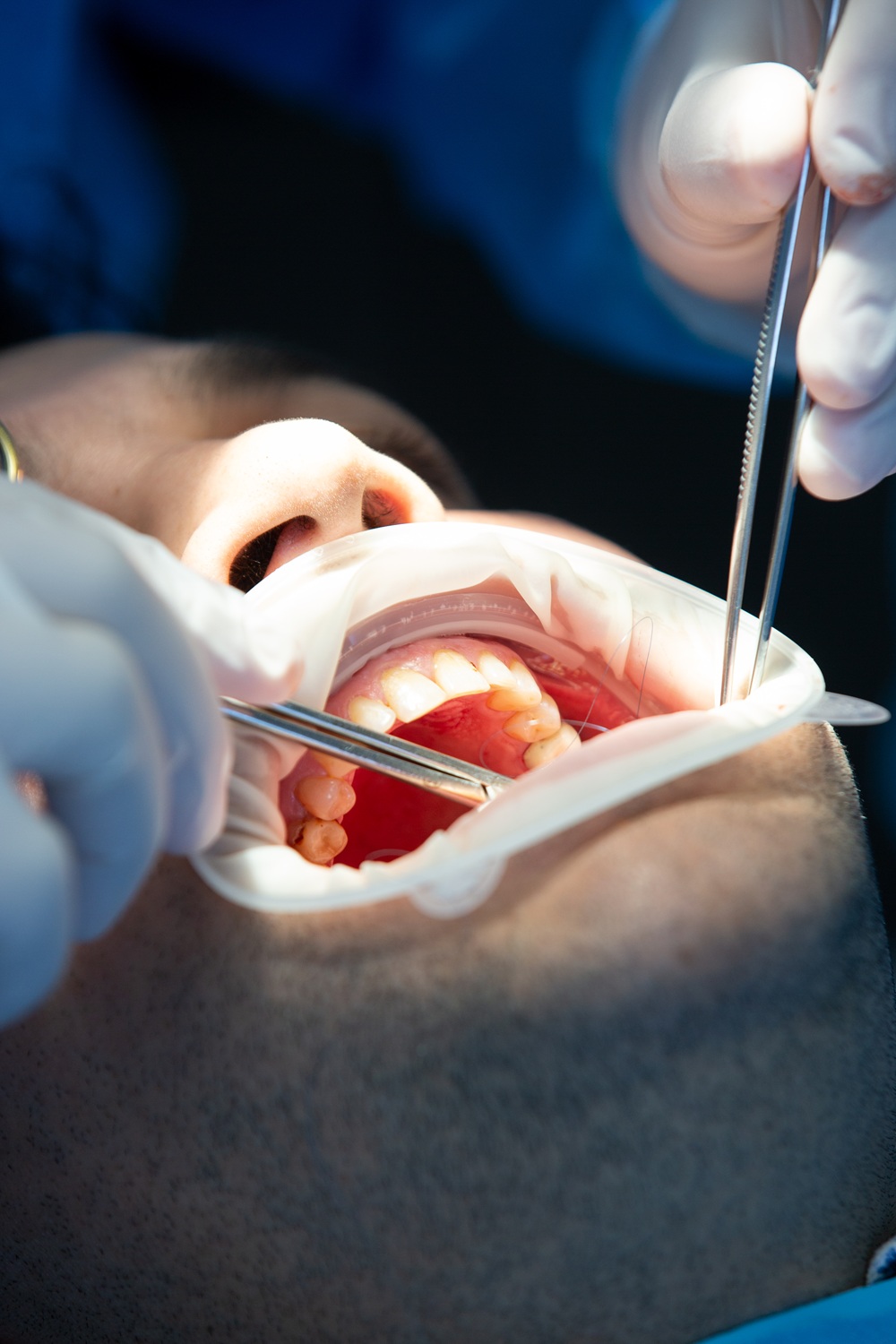
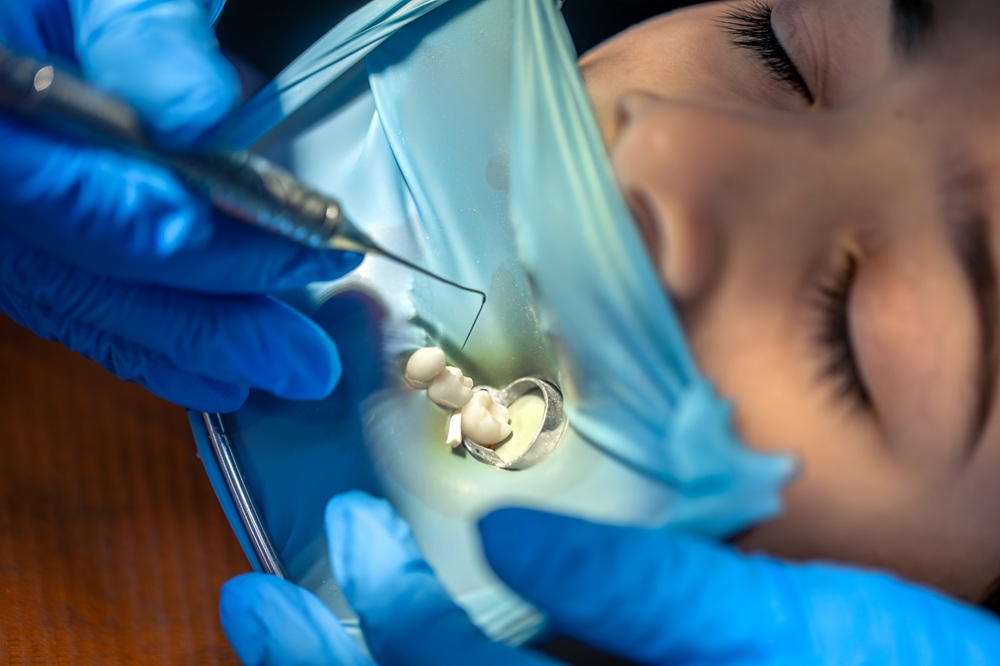
A typical root canal takes one to two visits totaling 60–90 minutes per visit. Local anesthesia (with modern techniques, the tooth is fully numb before any work starts — if you feel anything during the procedure, that’s a signal we need to adjust the anesthesia, not push through). A dental dam isolates the tooth being worked on. We access the pulp chamber through the top of the tooth, remove the infected or inflamed pulp tissue, use small instruments to clean and shape the root canals, irrigate with antibacterial solutions, and seal the canals with gutta-percha.
Most root canals on front teeth and bicuspids are completed in one visit. Molars (which have more complex root anatomy with three or four canals) sometimes require two visits, with a temporary filling between visits while we monitor for any persistent inflammation. After the root canal is complete, the tooth needs a permanent restoration — typically a CEREC same-day crown — because endodontically treated teeth become more brittle and need protection against fracture. We coordinate this so you’re not making extra trips to the office.
Recovery and What to Expect Afterward
Most patients report less pain after the root canal than they had before it — because the source of the pain (the inflamed pulp) is now gone. Mild to moderate soreness for a day or two is normal and responds to over-the-counter pain medication. We recommend soft food for the first 24–48 hours and avoiding chewing directly on the treated tooth until the permanent crown is placed.
The crown to protect the tooth typically follows the root canal within a few weeks. Once the crown is in place, the tooth functions normally and is designed to last decades. Long-term endodontic success rates exceed 90% for properly treated teeth that get the appropriate protective restoration afterward.
A Few Root canal Cases We’ve Seen in Wilmington (Anonymized)
The Mayfaire patient who’d been pushing through pain for two weeks
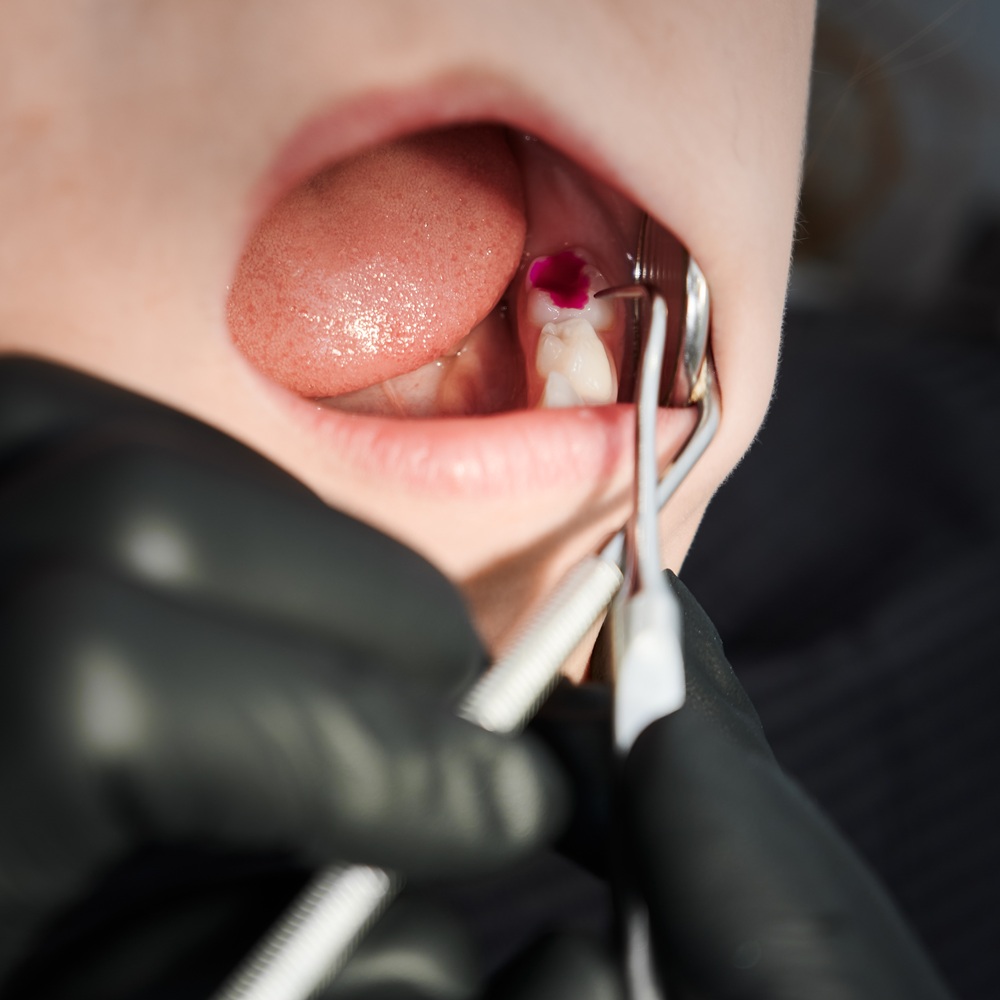
Came in with a severely infected upper molar after putting off care for almost two weeks because she’d been busy at work and “thought it would get better.” Diagnosis was an infected upper molar with a visible drainage bump on the gum. We got her out of pain that visit (drainage, antibiotics, pain medication), scheduled the root canal four days later once the infection had calmed enough for proper anesthesia to work. Root canal completed in a single 75-minute visit, CEREC crown placed two weeks later. Total elapsed time from emergency visit to fully restored tooth: 18 days. She told us afterward she should have called as soon as the pain started rather than trying to wait it out.
The Wrightsville Beach restaurant worker with the cracked-tooth root canal
Cracked an upper bicuspid biting into something hard during dinner service on a Friday. The crack ran deep enough to expose the pulp — immediate severe pain, knew right away something serious had happened. Came in Saturday morning for the emergency visit. Tooth was salvageable but needed both a root canal and a crown. We did the root canal Tuesday after the weekend swelling resolved, placed the CEREC crown two weeks after that. Total cost around $2,800 between root canal and crown, mostly covered by his insurance. The tooth is now fully functional, four years out.
The Landfall executive with a failing twenty-year-old crown
Upper-front tooth crown placed in 2002 had recently developed sensitivity and intermittent throbbing. X-ray showed infection in the root tip below the existing crown — a root canal was needed on a previously-crowned tooth. We worked through the existing crown to access the pulp chamber, completed the root canal in a single visit, and re-sealed the access opening through the crown. The original crown stayed in place. The tooth has been pain-free since.
Cost of Root canals in Wilmington
Root canal treatment at our Wilmington office runs $800–$1,800 depending on the tooth’s location and complexity. Front teeth and bicuspids fall toward the lower end of that range; molars (with their more complex root anatomy) fall toward the upper end. After the root canal, the tooth needs a permanent crown to protect it from fracture — typically $1,200–$2,000 for a CEREC same-day crown.
Most dental insurance plans cover root canals as a major restorative procedure, typically at 50% after the deductible up to the annual maximum. Insurance coverage for the subsequent crown varies. We verify your specific coverage before treatment so the cost conversation is based on actual numbers. Sunbit financing is available for the patient-responsibility portion. For uninsured patients, the O2 Advantage Plan offers discounted rates.
Root Canals FAQs — Frequently Asked Questions
How much does a root canal cost in Wilmington?
Root canal treatment runs $800–$1,800 depending on tooth location and complexity. Front teeth and bicuspids fall toward the lower end; molars toward the upper end. After the root canal, the tooth typically needs a crown ($1,200–$2,000 for CEREC same-day) to protect it from fracture.
Does a root canal hurt?
Done well, with modern anesthesia and techniques, no — the procedure itself is comparable to a routine filling. Most patients report less pain after the root canal than they had before it because the source of the pain is being removed. If you feel anything during the procedure, that’s a signal we need to adjust the anesthesia, not push through.
How long does a root canal take?
Most root canals run 60–90 minutes per visit. Front teeth and bicuspids are typically completed in one visit. Molars (with more complex root anatomy) sometimes require two visits with a temporary filling in between.
Why doesn’t O2 do same-day emergency root canals?
Because the clinical reality usually doesn’t support them. When a patient arrives in significant pain, the right immediate care is getting them out of pain (drainage, antibiotics, pain management) and scheduling the actual root canal for the right timeframe — typically within a few days. Rushing endodontic work into an active-infection emergency window is how things go wrong. Most other practices that advertise same-day emergency root canals are overpromising.
Do I need a crown after a root canal?
Almost always, yes. Endodontically treated teeth become more brittle over time without their living pulp and are at high risk of fracture under chewing forces. A crown protects the tooth and is essential to long-term endodontic success.
How long does a root-canal-treated tooth last?
With proper crown protection and routine care, most root-canal-treated teeth last decades. Long-term success rates exceed 90% for properly treated and restored teeth.
What’s the alternative to a root canal?
Extraction. If a tooth has infected or irreversibly inflamed pulp and you don’t do a root canal, the alternative is removing the tooth. That triggers a separate decision about how to replace it — implant, bridge, partial denture, or leaving the space and accepting the long-term effects of bone loss and adjacent-tooth drift. For most teeth that can be salvaged with a root canal, doing the root canal is the better long-term answer.
Does insurance cover root canals?
Most dental insurance plans cover root canals as a major restorative procedure, typically at 50% after the deductible up to the annual maximum. Coverage for the subsequent crown varies by plan. We verify your specific coverage before treatment.
Local Areas We Serve in and Around Wilmington
Our Wilmington office is conveniently located off Market Street, making it easy to get here from Ogden and the Mayfaire area. We also welcome patients from nearby communities like Leland and Hampstead, as well as Porters Neck, Wrightsville Beach, Downtown Wilmington, Monkey Junction, Castle Hayne, and Carolina Beach.
- Ogden
- Mayfaire
- Leland
- Hampstead
- Porters Neck
- Wrightsville Beach
- Castle Hayne
- Carolina Beach
- Downtown Wilmington
- Monkey Junction
book your Root Canals Consultation in Wilmington
If you have a tooth that’s been hurting for more than a few days, don’t wait. Sustained toothache rarely resolves on its own, and the longer you wait, the more complicated the treatment becomes. Call us and we’ll get you in promptly. Modern root canal treatment is dramatically more comfortable than the procedure’s reputation suggests — and it saves the tooth. Book online or call (910) 377-6453.
Request More Information About Root Canals in Wilmington
Fill out this short form and a member of our Willington team will contact you to answer your questions and help you schedule root canals consultation.
Schedule Today!
We look forward to meeting you. Call (910) 377-6453 or request an appointment online to set up your first visit. We’ll be in touch soon.
O2 Dental Group of Wilmington
Monday:
Tuesday:
Wednesday:
Thursday:
Friday:
Saturday:
Sunday:
8:00am – 6:00pm
8:00am – 6:00pm
8:00am – 6:00pm
8:00am – 6:00pm
CLOSED
CLOSED
CLOSED
