
Dental Bonding Durham, NC
Durham patients tend to do their homework before they sit in a chair, so we will skip the marketing and start with the honest version: dental bonding is the least invasive, least expensive cosmetic fix in the building, and for the right problem it is hard to beat. Tooth-colored composite is shaped directly onto the tooth, set with a curing light, and polished to match — no shots, no lab, no second visit for most cases. It is also the most over-promised procedure in cosmetic dentistry, which is exactly why it helps to know where it shines and where it does not.
Our office on Watkins Road, just off Durham–Chapel Hill Boulevard near Southpoint, sees bonding patients from across the Triangle — Hope Valley, Woodcroft, and out toward Chapel Hill and Cary. Here is how we decide whether it is right for you.
When Detal Bonding Is the Smart Choice
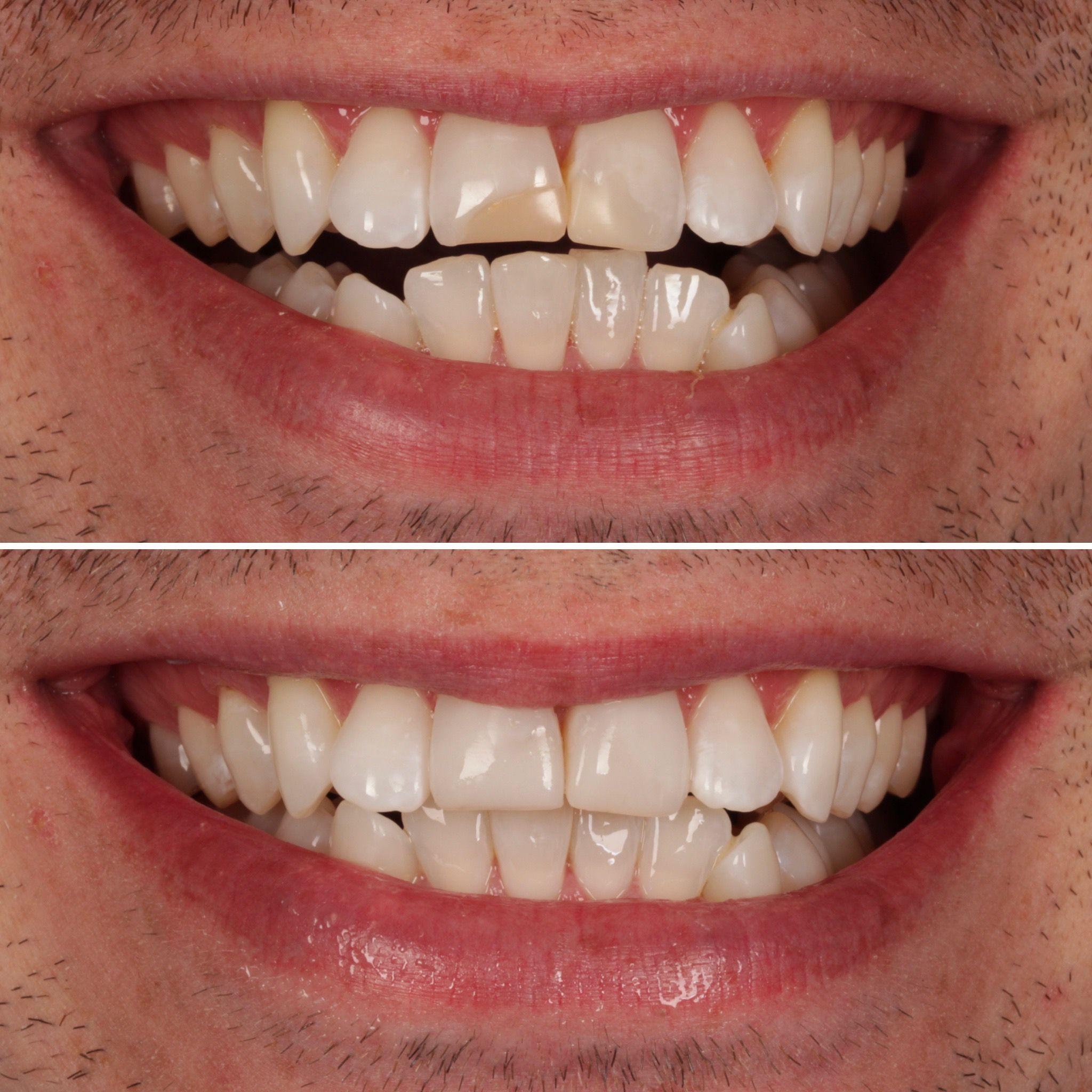
Bonding does its best work on small, contained problems — the ones where a veneer or crown would be more than the situation calls for:
- Chips and small broken corners on front teeth
- A thin gap between the front teeth you would rather not wear aligners to close
- A single tooth that has darkened — often after an old root canal — and no longer matches
- Edges left uneven by years of wear
- Small gumline cavities that should be filled with tooth-colored material, not metal
- A tooth whose shape or length has always bothered you
And When It Isn’t
We would rather not offer the procedure than place bonding where it will fail you. A veneer or crown is the better answer when you are changing several teeth as one coordinated smile, when intrinsic stains run across the whole arch, or when a tooth has lost enough structure that composite simply will not hold. Bonding asked to do a veneer’s job ends up thick, opaque, and short-lived. If that is your situation, we will say so and walk you through the real options on our cosmetic dentistry page.
How The Dental Bonding Procedure Work, Step by Step
Nothing about it is dramatic, which is the point:
- Prep. The tooth surface is lightly textured and treated with an etching gel and bonding agent so the composite grips firmly.
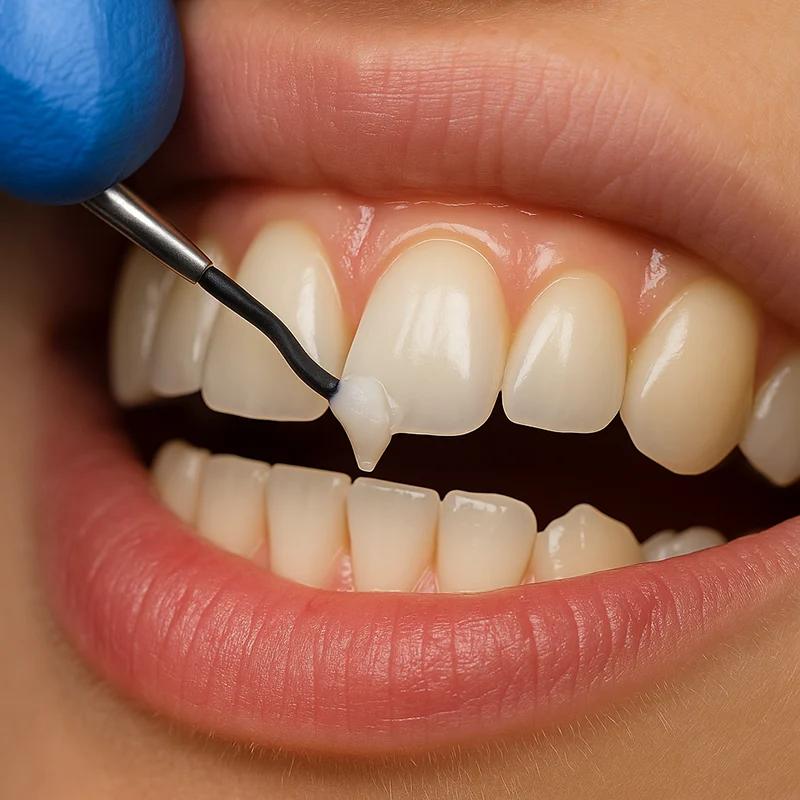
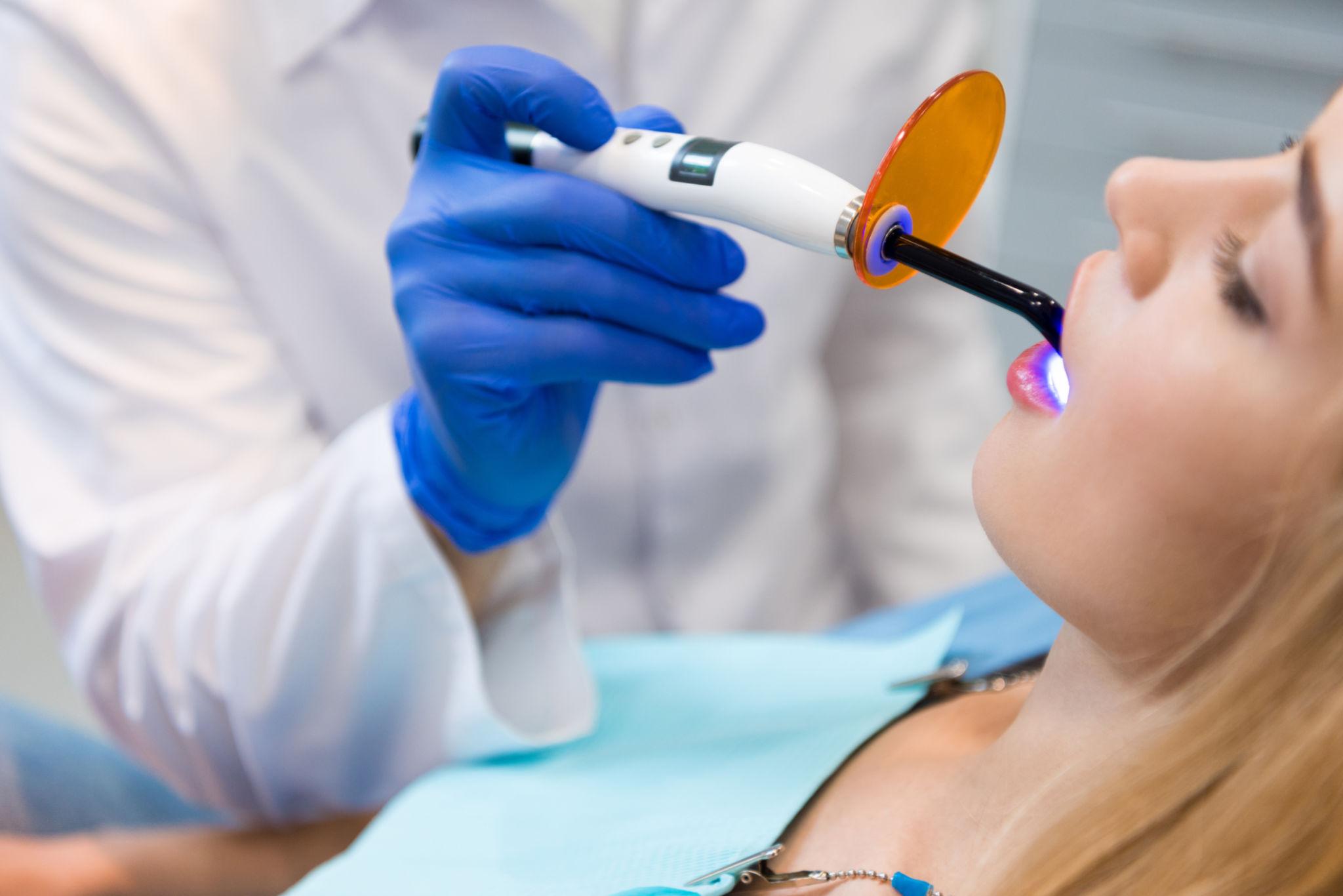
- Build. Resin is applied in thin layers, each hardened with a blue curing light before the next goes on. The shade is matched to your natural teeth from the start.
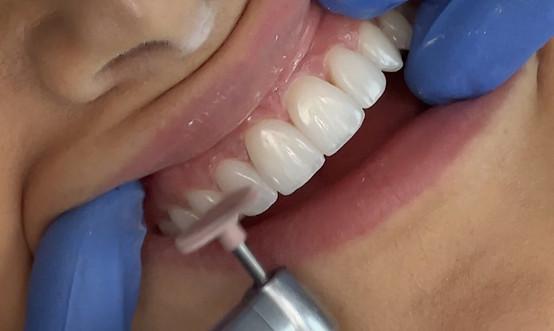
- Shape and polish. The provider sculpts the form by hand, checks it against your bite, and polishes until it reflects light like enamel.
One tooth is typically 30 to 60 minutes. Because healthy structure is often not removed, the result can be reversible — if you ever upgrade to a veneer later, the tooth underneath may possibly remain unchanged.
The Honest Tradeoffs
Bonding buys you speed, conservation, and a low price. What it gives up, compared with porcelain, is longevity and stain resistance.
Plan on two to five years before a bonded tooth needs a touch-up or replacement. Composite stains a bit faster than porcelain and can chip if you bite ice or use your teeth as scissors. None of that is a dealbreaker — it is simply the math you should know before you choose it over a longer-lasting option.
Cost and Coverage in Durham
Bonding here runs between $200 and $600 per tooth, set by how much of the tooth we are rebuilding. We hand you the exact figure before you agree to anything. Purely cosmetic bonding is usually treated as elective and not covered by insurance; when the same composite repairs a real cavity, it is generally covered like a standard filling. For out-of-pocket costs, CareCredit and Sunbit handle monthly payments, and the O2 Advantage Plan offers uninsured patients reduced rates with no deductible and no yearly maximum.
Keeping It Looking New
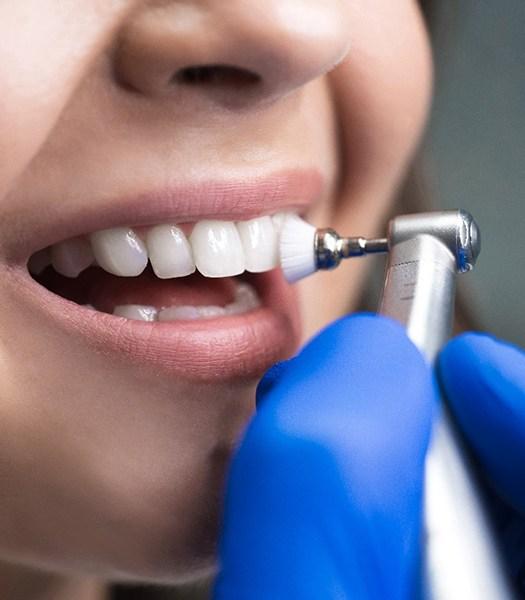
Care is genuinely simple: brush and floss normally, rinse after coffee or wine, skip the fingernail-biting and package-opening with your teeth, and wear a nightguard if you grind. Your twice-yearly cleanings are when we polish the bonding and catch wear before it becomes a repair.
Dental Bonding in Durham (FAQs) Frequently Asked Questions
Is bonding worth it, or should I just get a veneer?
For one or two small flaws, bonding gives a near-identical look for far less money and no tooth reduction. For a multi-tooth, built-to-last-decades makeover, a veneer is the better value. We tell you which your case is.
How long does bonding last with a coffee habit?
two to five years. Composite stains faster than porcelain and can chip under hard biting, so habits matter more than anything. Regular care and cleanings keep it looking right.
Does it hurt?
For cosmetic cases, no — and usually no numbing, since we add material rather than remove healthy tooth. Anesthetic only comes in if bonding is also filling a cavity.
Can you close the gap in my front teeth?
Often, yes — by adding a little width to the two adjacent teeth in a single visit, with no aligners. Wider or bite-related gaps may need a different plan, which we flag at the exam.
What does it cost in Durham?
$200 to $600 per tooth depending on the rebuild, quoted up front. Cosmetic bonding is usually not covered; decay repair usually is. Compare your options on our whitening and cosmetic pages.
Book Your Dental Bonding Consultation in Durham
Bring us the tooth that bothers you and we will give you a straight read on whether bonding fits — and what it will cost — before any work is booked.
Schedule Today!
We look forward to meeting you. Call (919) 813-2267 or request an appointment online to set up your first visit. We’ll be in touch soon.
O2 Dental Group of Durham
Monday:
Tuesday:
Wednesday:
Thursday:
Friday:
Saturday:
Sunday:
9:00am – 5:00pm
9:00am – 5:00pm
9:00am – 5:00pm
9:00am – 5:00pm
8:00am – 2:00pm (every other Friday)
CLOSED
CLOSED
