
Gum Disease Treatment in Durham, NC
When Your Gums Are Trying to Tell You Something
Bleeding gums, bad breath that won’t quit, or a dentist’s note that you need a “deep cleaning” — these are signals worth paying attention to. We take them seriously at O2 Dental Group of Durham, and we explain what’s happening in plain terms so you can make a good decision. Gum disease caught early is often very manageable; caught late, it gets more complicated. Either way, we’ll tell you the truth about where your gums stand.
Periodontal Maintenance
Learn why periodontal maintenance is essential after gum disease treatment. Regular visits help remove bacteria, protect your gums, and maintain your oral health for years to come.
Share with PatientBeen told you need a deep cleaning? Call O2 Dental Group of Durham at (919) 813-2267 to get a clear answer.
Symptoms We Look For
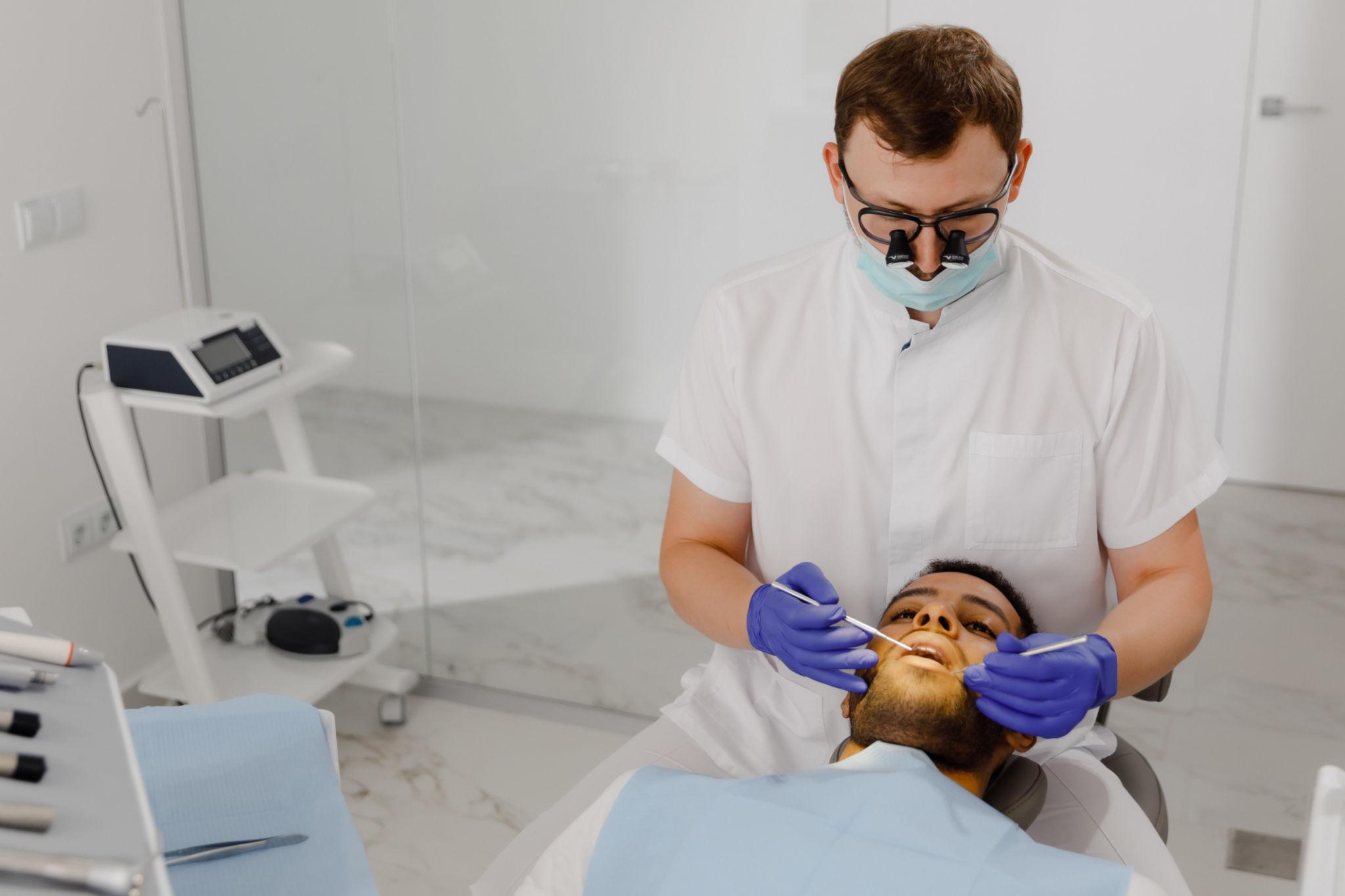
Gum disease shows up in a handful of ways, and people often have more than one without realizing they’re connected: gums that bleed when brushing or flossing, swelling or tenderness, a receding gumline or teeth that suddenly look longer, lingering bad breath, looseness or shifting, and discomfort when chewing. If any of these sound familiar, an evaluation is the right next move.
Serving Durham, Chapel Hill, and the Triangle
Our office on Watkins Road near the Southpoint corridor is convenient for patients from Chapel Hill, Morrisville, RTP, Hillsborough, Bahama, and Rougemont. Durham is full of people who like to understand the “why” before they commit to anything — and gum treatment is a perfect example. We’ll show you your pocket measurements and X-rays and explain what they mean, so the plan makes sense to you.
How We Diagnose and Treat Gum Disease in Durham
A proper evaluation includes periodontal charting around every tooth, X-rays when we need to assess the bone, and a review of your history and risk factors like smoking and diabetes. Based on what we find, we recommend the right level of care: better home technique for early cases, scaling and root planing for active infection, and periodontal maintenance afterward. For advanced cases needing surgical treatment, we’ll arrange a referral to a periodontist rather than overreaching.
Deep Cleaning vs. a Regular Cleaning
If you’ve only ever had routine cleanings, a deep cleaning can sound intimidating, but the idea is simple. A regular cleaning handles the surfaces at and just above the gumline in a healthy mouth. A deep cleaning — scaling and root planing — reaches below the gumline to clear bacteria from the root surfaces inside the pockets, then smooths them so the gums can reattach and heal. We use local anesthetic so you stay comfortable.
Prophy, Deep Clean, or Maintenance?
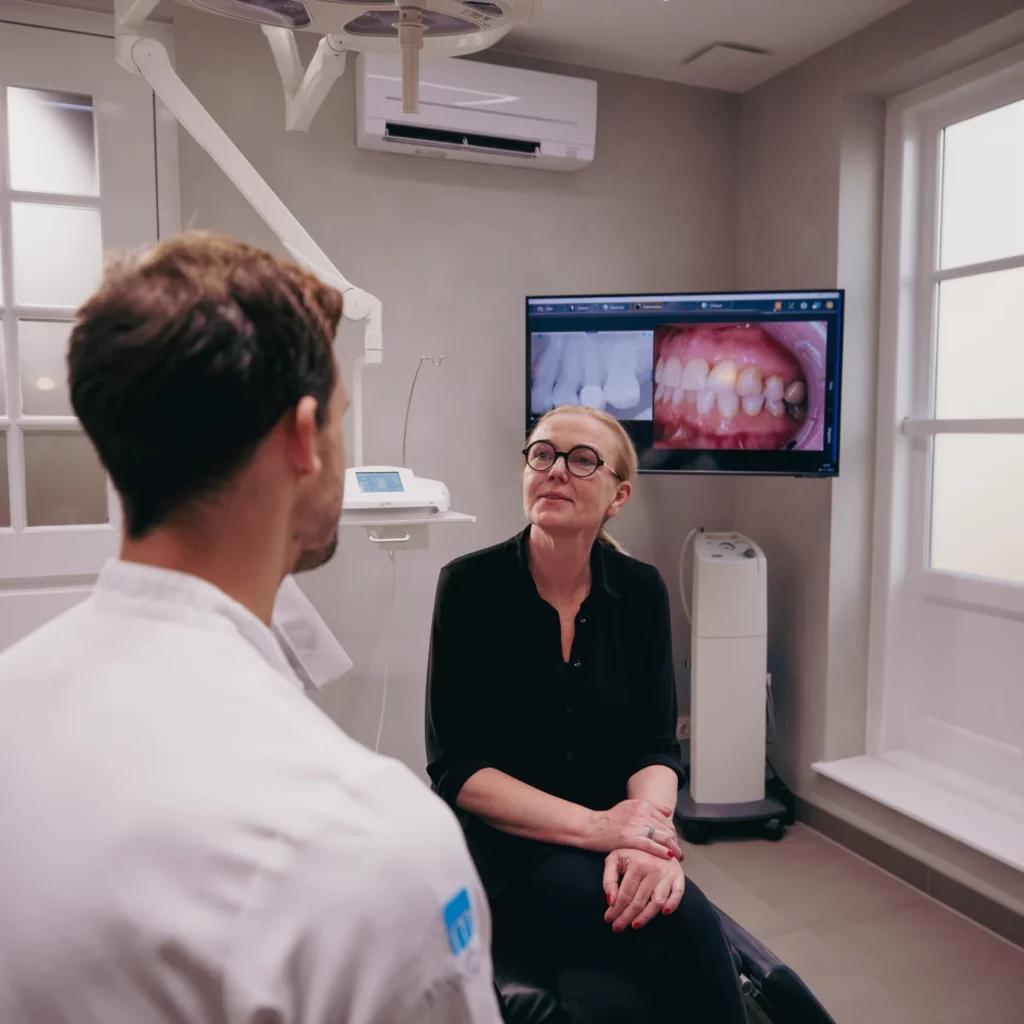
People are often told they need “a cleaning” without hearing that the word covers three distinct visits. Which one is right for you depends on your periodontal pocket measurements, whether your gums bleed, and whether bone loss is already present.
Prophylaxis
- Recommended for healthy gums or mild gingivitis with no evidence of bone loss.
- Removes plaque and tartar from above the gumline before polishing the teeth.
- A preventive visit that is typically quick and does not require periodontal charting.
- Most patients have pocket depths of 1–3 mm with little or no bleeding.
Scaling & Root Planing
- The recommended treatment for early to moderate periodontitis.
- Cleans below the gumline and smooths root surfaces to encourage healing.
- Usually completed one section of the mouth at a time using local anesthetic.
- Recommended when pockets measure 4 mm or deeper with bleeding or bone loss.
Periodontal Maintenance
- Designed for patients who have already completed periodontal therapy.
- Cleans above and below the gumline while monitoring pocket depths at every visit.
- Helps prevent periodontal disease from returning or progressing.
- Different from a routine cleaning because ongoing periodontal care is required.
The point many patients miss is that after periodontitis has been diagnosed and treated, routine six-month cleanings are usually no longer enough. Previous bone loss increases the risk of recurrence, so periodontal maintenance becomes the standard long-term schedule. A comprehensive periodontal evaluation determines which type of cleaning is appropriate for your oral health.
When Gum Disease Reaches the Bone
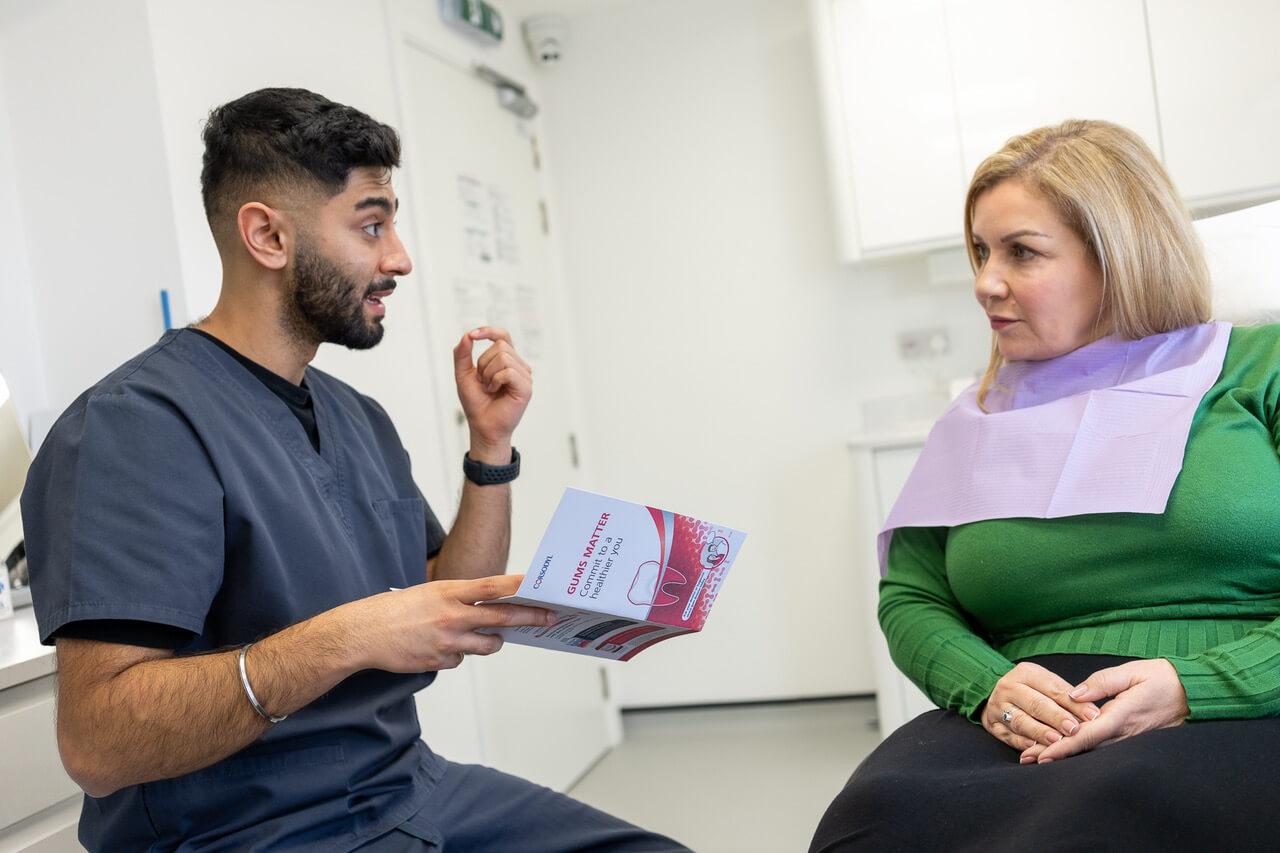
Because periodontitis breaks down the bone supporting your teeth, advanced cases can leave teeth loose. Your treatment plan may then include restorative steps, and in some situations a tooth is too damaged to keep. If extraction becomes the healthiest option, we’ll explain why and review replacements such as implants, a bridge, or dentures, so you can plan ahead with confidence.
Periodontal Maintenance
After treatment, gum disease needs steady upkeep to stay controlled. Many patients shift to maintenance cleanings every three to four months instead of twice a year, which keeps the pockets clean and lets us spot any flare-up early. It’s not upselling — it’s the part of care that actually protects your results.
For Patients Who've Put It Of
If you’ve avoided the dentist out of fear, embarrassment, or just a packed calendar, you’re far from alone, and you won’t get a lecture from us. Gums can respond impressively to treatment, and the sooner you start, the more options you have. We’ll go at a pace that works for you.
What Your Visit Looks Like
We listen first, then review your history, measure your gums, and take any needed X-rays. You’ll get a clear diagnosis, a written plan with options and costs, and a maintenance schedule if you need one. No surprises, no pressure.
Cost and Payment Options
What you’ll pay depends on severity, X-rays, your insurance, the type of treatment, and the number of visits involved. We provide real numbers after your evaluation. Many plans cover periodontal care, and we verify your benefits first; for the balance, we offer the O2 Advantage Plan along with CareCredit and Sunbit financing.
A Few Durham Cases (Anonymized)
Representative composites, not individual patients.
Sent over by an endocrinologist
A patient with type 2 diabetes in their sixties came in after an endocrinologist asked about recent dental care. We diagnosed generalized moderate periodontitis with multiple 5–7 mm pockets, completed full-mouth scaling and root planing over two appointments, and established a three-month periodontal maintenance schedule to help reduce inflammation and support overall health.
Home-care coaching in Spanish
A Spanish-speaking patient with early periodontitis wanted every step of treatment explained in their preferred language. Deep cleaning, home-care coaching, water flosser guidance, and interdental brush instruction were all provided in Spanish, leading to healthier gums and improved bleeding control.
Gingivitis, stopped before bone loss
A graduate student who had postponed dental visits for several years came in with widespread gingivitis but no measurable bone loss. A professional cleaning, personalized home-care routine, and consistent follow-up completely reversed the inflammation before it progressed into periodontal disease.
Why Choose O2 Dental Group of Durham
- Clear, no-jargon explanations of your gum health
- A measured, least-invasive-first approach
- Restorative options and referrals coordinated in one place
- Maintenance care that protects your results
- Honest pricing and judgment-free treatment
Get a straight answer about your gums. Call O2 Dental Group of Durham at (919) 813-2267 or request an evaluation online.
Frequently Asked Questions
What's the difference between gingivitis and periodontitis?
Gingivitis is early inflammation without bone loss and is often reversible. Periodontitis is more advanced, with pocketing and bone loss, and is managed rather than reversed.
Why was I told I need a deep cleaning when I felt fine?
Gum disease is often painless early on. The pocket measurements and X-rays reveal what you can’t feel, which is why a deep cleaning may be recommended even without symptoms.
Will a deep cleaning fix my bad breath?
It often helps, since persistent bad breath is frequently caused by the bacteria in gum pockets. Treating the infection and keeping up with maintenance usually improves it.
Is scaling and root planing safe?
Yes, it’s a standard, well-established periodontal treatment. We use local anesthetic for comfort, and mild tenderness afterward is normal and brief.
Can I just brush and floss better instead of getting treatment?
Better home care is essential, but once disease has formed pockets, brushing alone can’t reach the bacteria below the gumline. Professional treatment is needed to clear it.
How do I keep gum disease from coming back?
Consistent home care plus periodontal maintenance visits are the key. Controlling smoking and conditions like diabetes also makes a real difference.
Do you handle gum surgery here?
We focus on diagnosis and non-surgical treatment. If your case needs surgical care like grafting, we coordinate a referral to a periodontist.
Does gum disease affect my overall health?
It’s been linked with conditions such as heart disease and diabetes, so treating the infection benefits more than just your mouth.
Neighborhoods We Serve
We treat gum disease for patients throughout the southern Triangle, including:
- Hope Valley
- Woodcroft
- Southpoint
- Parkwood
- Forest Hills
- Old West Durham
- Chapel Hill
- Carrboro
- Morrisville
- Cary
- Apex
Start with a screening
Whether your physician nudged you or your gums have started bleeding, a screening is the sensible place to begin, en inglés o en español. We measure, explain, and treat what needs treating, sending you to a specialist only when the case truly calls for one.
Schedule Today!
We look forward to meeting you. Call (919) 813-2267 or request an appointment online to set up your first visit. We’ll be in touch soon.
O2 Dental Group of Durham
Monday:
Tuesday:
Wednesday:
Thursday:
Friday:
Saturday:
Sunday:
9:00am – 5:00pm
9:00am – 5:00pm
9:00am – 5:00pm
9:00am – 5:00pm
8:00am – 2:00pm (every other Friday)
CLOSED
CLOSED
