
Dental Crowns in North Carolina
When a tooth is too cracked, decayed, or worn for a filling to fix, a crown is what keeps it. A crown is a custom cap that covers the entire tooth above the gumline, taking over for structure the tooth has lost — sealing out bacteria, holding cracks together, and giving back a surface strong enough to chew on. O2 Dental Group places crowns at six offices across North Carolina. This page covers when you need a crown, the materials and methods involved, what it costs, and where to find an office near you.
Single Crown
Discover how a dental crown restores the strength, function, and appearance of a damaged tooth. This educational video explains when a crown is recommended, the step-by-step treatment process, and how a custom-made crown protects your tooth while blending naturally with your smile.
Share with Patient
When a Crown Is the Right Treatment
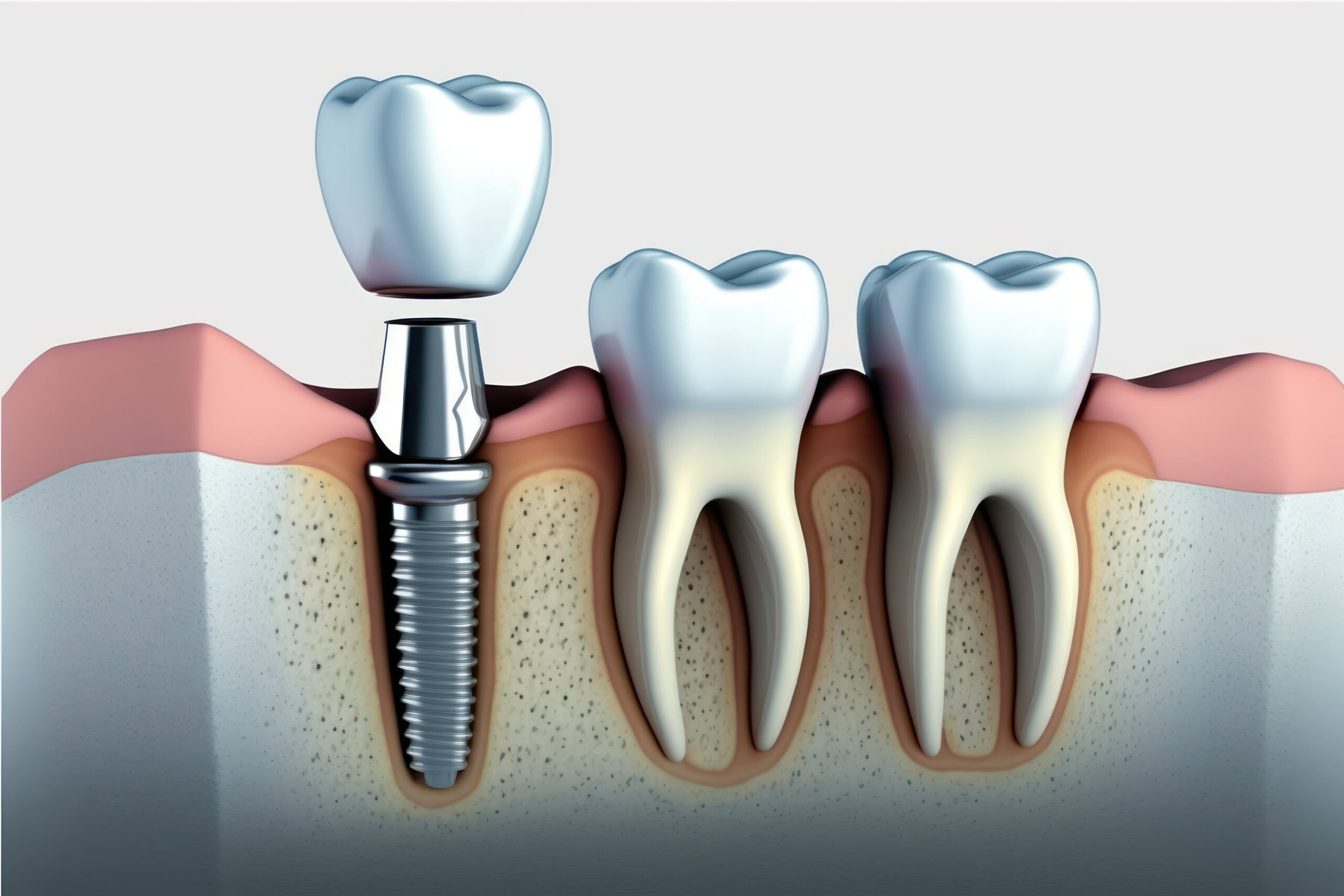
A filling restores part of a tooth; a crown is for when there isn’t enough sound tooth left to hold one. The most common reasons are a substantial crack or break, a tooth made brittle by a previous root canal, a cavity or aging filling that has outgrown the structure around it, and a tooth ground down over years of clenching. Crowns also cap dental implants and anchor the ends of a bridge. The shared theme is reinforcement — covering and protecting a whole tooth rather than patching one corner of it.
Crown Materials
Material choice follows the tooth’s position and the bite forces it handles. For teeth in the smile line, all-ceramic and porcelain deliver the most lifelike result. Zirconia — a reinforced ceramic — marries that natural appearance with the toughness a molar requires. A porcelain-bonded-to-metal crown sets a tooth-colored face over a strong metal substructure, and full-metal or gold, kept to spots that don’t show, is the hardest-wearing choice of all. Your provider weighs the tooth, your bite, and your preference before recommending one.
CEREC and Traditional Crowns
O2 Dental Group offers crowns using both traditional laboratory fabrication and CEREC technology. A traditional crown uses an impression that is sent to a dental lab for fabrication, while a CEREC crown is digitally scanned and milled from a ceramic block in the office, with no putty impression. Both approaches provide durable, long-lasting results, with treatment timing based on the individual case.
| Office | Crown options |
|---|---|
| Fayetteville | CEREC & traditional |
| Wilmington | CEREC & traditional |
| Southern Pines | CEREC & traditional |
| Durham | CEREC & traditional |
| Raleigh | Traditional Crowns |
| Siler City | Traditional Crowns |
Crown, Filling, or Implant?
Not every damaged tooth needs a crown, and a good practice will tell you so. A small cavity is handled with a filling; moderate damage may suit an inlay or onlay that conserves more natural tooth. A crown is for a tooth that’s substantially compromised but still has a healthy root to build on. When a tooth is beyond saving, a dental implant replaces it from the root up. Matching the treatment to the tooth — rather than defaulting to the biggest option — is the conversation to expect at your exam.
Cost and Insurance
How Long Crowns Last
A quality crown serves 10 to 15 years and frequently more. The restoration can’t decay, but the tooth it covers can, which makes everyday hygiene the deciding factor: clean the gumline border thoroughly, don’t use the crowned tooth on ice or hard candy, and wear a guard at night if you grind. Routine checkups let your dentist watch the tooth and head off trouble at the edge early.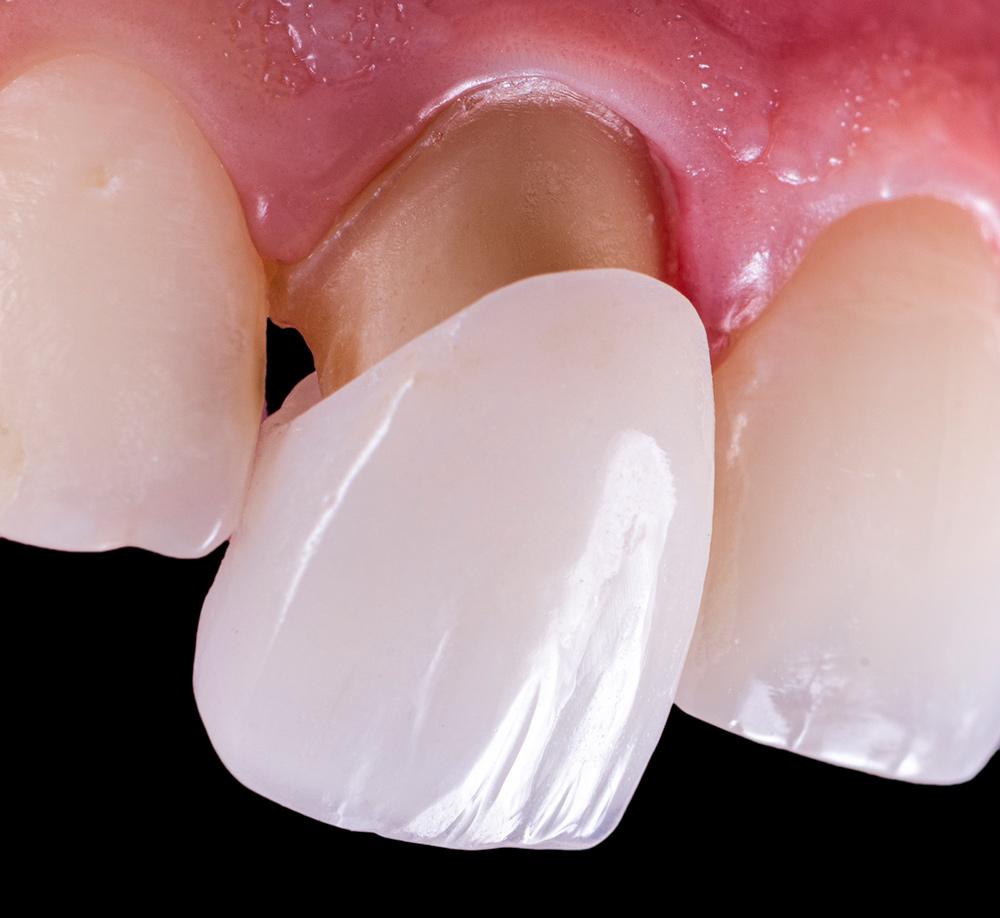
Before & After
Before
After
Before
After
Frequently Asked Questions
Which offices offer CEREC crowns?
Fayetteville, Wilmington, Southern Pines, and Durham offer CEREC crowns. Raleigh and Siler City offer traditional crowns. All six offices place crowns.
How much does a crown cost?
Most insurance pays about half once the deductible is met; self-pay is $1,000 to $1,600 by tooth and material. Every office estimates in writing first, with financing available for the rest.
CEREC vs. traditional — what's the difference?
Traditional crowns are fabricated by a dental lab, while CEREC crowns are digitally scanned and milled from a ceramic block in the office. Both provide durable, long-lasting results, with treatment timing based on the individual case.
When do I need a crown instead of a filling?
Once a filling can no longer hold — a sizable break, a root-canaled tooth, a filling bigger than the tooth around it, or a tooth flattened by grinding.
Dental crowns are an affordable and effective dental treatment for protecting and restoring damaged teeth. Crowns can enhance your speech, restore chewing function, improve your smile, and boost your confidence. If you’re concerned about a damaged tooth, consult your dentist to determine if a dental crown may be the best restorative treatment for you.
How long do crowns last?
Usually 10 to 15 years, and often beyond, with regular care and a guard at night if you grind.
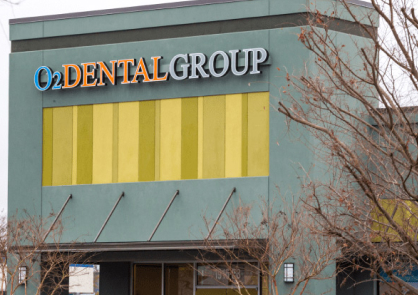
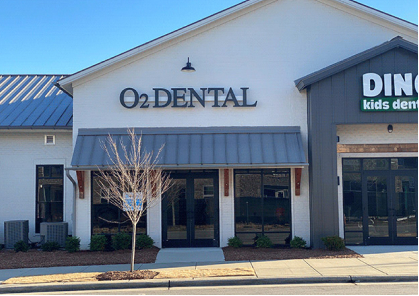
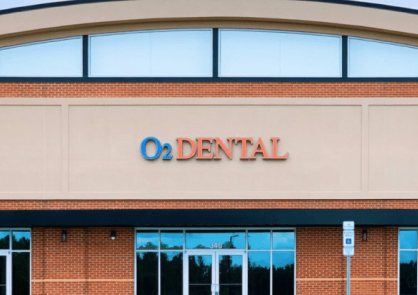
Find Dental Crown at an O2 Dental Group Near You


Book a Denal Crown Consultation in North Carolina
Broken tooth, failing filling, or a tooth your dentist said needs a crown? Call the office nearest you, or request an appointment online.
Schedule Today!
We look forward to meeting you. Call us or request an appointment online to set up your first visit. We’ll be in touch soon.
