
Dental Bridges in Siler City, NC
Dental Bridges in Siler City — Fixed Tooth Replacement, Fewer Trips
Out here in Chatham County, a dental appointment often means a real drive, so the practical question isn’t only which restoration is best — it’s which one gets you a finished result with the fewest trips to town. A dental bridge answers that well. It fills the space from a lost tooth with a fixed, lab-made replacement across a short run of visits, and once it’s cemented, it simply stays. At O2 Dental Group of Siler City on Food Lion Plaza, we place both traditional and implant-supported bridges, and we plan them so your time on the road counts.
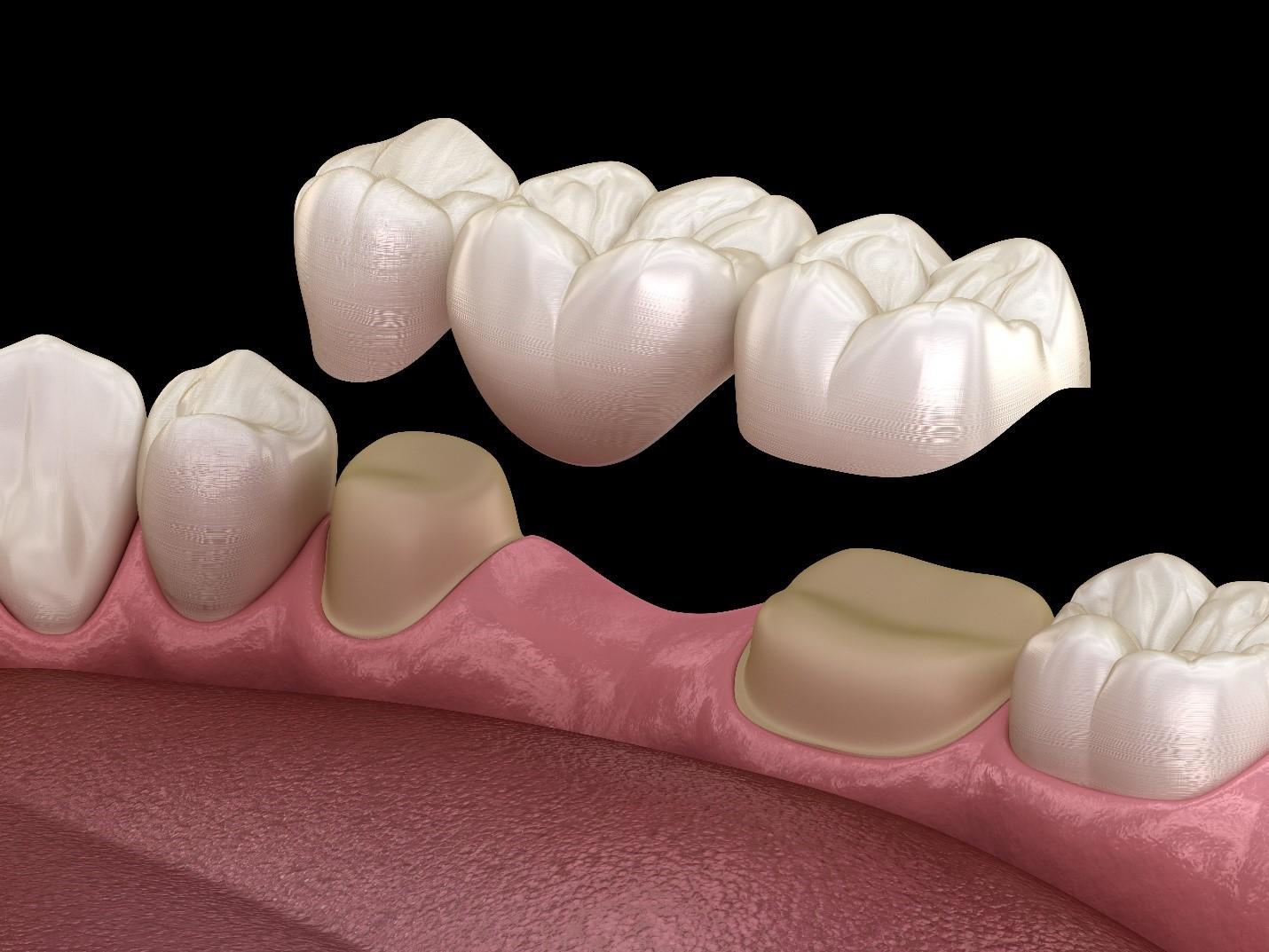
The idea is simple: a replacement tooth is secured to the healthy teeth bracketing the gap, giving back a solid bite and a complete smile with nothing to take out and clean separately.
Caring for an Implant-Supported Bridge
Learn how to properly care for your implant-supported bridge to keep your implants healthy and your restoration functioning for years to come. This video demonstrates effective cleaning techniques, recommended hygiene tools, and daily maintenance tips to help prevent plaque buildup and protect the surrounding gums and implants.
Share with PatientIs a Bridge the Practical Choice for You?
A few situations make a bridge the sensible call, and they’re worth checking against your own:
- The teeth bracketing your gap already need crowns — decay, a cracked filling, wear — so a bridge fixes them and the gap together.
- You’d rather not sign up for oral surgery, whether for health reasons or simple preference.
- Thin bone would mean grafting before an implant, and you’d like to skip that step.
- You want the whole thing wrapped up in weeks, not the months an implant’s healing requires.
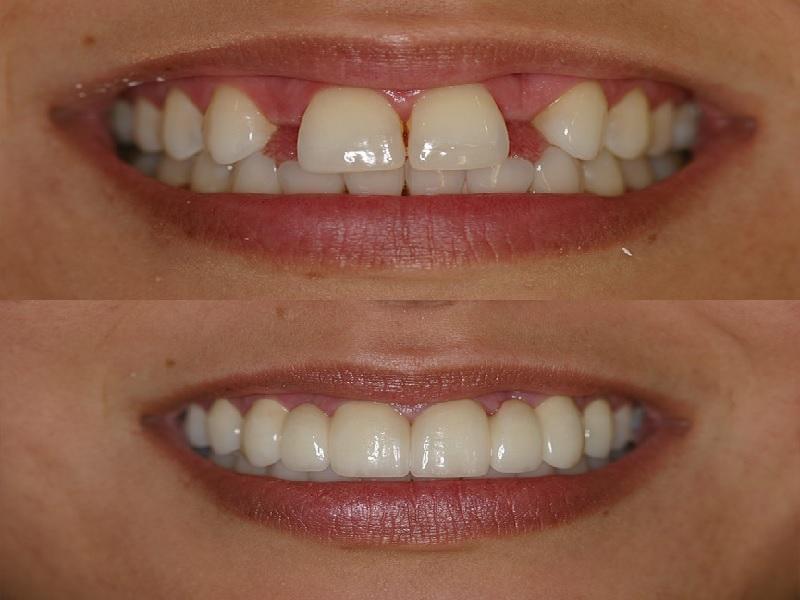
If several of those ring true, a bridge is very likely your most efficient route. If they don’t — if the bracketing teeth are healthy and you have time — we’ll say so and talk implants.
When an Implant Deserves the Longer Drive
An implant leans on none of the neighboring teeth and keeps the bone beneath the space stimulated — something a fixed span can’t manage. So where the teeth flanking an opening are entirely healthy, cutting them down to hold a restoration forfeits sound structure for nothing gained, and a dental implant tends to be the smarter long-run choice even with the added visits. We’ll tell you plainly which route your case really favors, drive or no drive.
The Bridge Styles We Place
The usual approach fits crowns over the two flanking teeth and bridges a pontic across the gap. For a stretch of missing teeth, an implant-supported bridge carries the span on posts and protects the bone. A cantilever bridge takes its support from just one side — an option when only a lone tooth is sound enough to hold it. A Maryland bridge attaches behind the bracketing teeth with no crowns at all — the gentlest fix for a single tooth up front.
Chatham County Cases, Anonymized
A Pittsboro patient who wanted to get her dental work over with in one stretch. An empty molar socket sat between two teeth whose old fillings were crumbling. Rather than book those crowns now and an implant somewhere down the line, we folded all three into one fixed span — fewer round trips and a single lab timeline instead of two separate projects.
A Goldston patient balking at the travel an implant would take. He’d been quoted an implant for a gap, but the run of surgical and healing appointments meant repeated long drives he couldn’t easily fit in. We laid a fixed bridge alongside it as the practical route — no surgery, a handful of visits instead of many — and for his situation it did the same job with a fraction of the mileage.
A Bonlee patient who’d carried a gap for years. The tooth had been gone long enough that its neighbors were tipping toward the empty space and the bite had started to wander. Crowning the two leaning teeth and joining them with a bridge steadied the arch and shut the gap before the drift could pull things further out of line.


Planning the Visits Around Your Drive
Count on two, sometimes three, appointments. We handle imaging and the plan first; at the prep visit the supporting teeth are trimmed for crowns and a mould is taken, leaving you in a temporary; and the fitting visit — a couple of weeks later — seats the completed bridge. Because we know the drive matters, we group what we can and keep the trips to the minimum the treatment allows. Implant-anchored bridges naturally run longer — close to six months while the posts bond with bone before the span can take pressure.
Built for How Chatham County Gets to the Dentist
Our Food Lion Plaza office sits where much of western Chatham County actually converges, and we build bridge treatment around the reality that many of our patients drive a real distance to reach us — from Bear Creek, Bonlee, Goldston, Snow Camp, and the fast-growing Chatham Park side of Pittsboro. That shapes how we schedule: we group the workup and impressions into single visits wherever the clinical steps allow, hold early and end-of-day slots for patients coming off a farm morning or a second shift, and keep any one course of treatment to the fewest trips the lab timeline permits. If a longer implant route would truly serve you better, we’ll say so plainly — but for a straightforward gap, a fixed bridge often means less time on Highway 64 and a finished tooth sooner.
What a Bridge Costs in Siler City
Pricing tracks the size and material of the restoration:
| Type | Typical range |
|---|---|
| Traditional bridge, one missing tooth (three-unit) | $3,000–$4,500 |
| Larger traditional bridge (four or more units) | up to $6,000 |
| Implant-supported bridge (two implants, four units) | $12,000–$18,000 |
Bridges fall under major restorative treatment on most policies, generally reimbursed near the halfway point once your deductible is satisfied, up to the annual maximum. We confirm your benefits before starting and offer CareCredit, the O2 Advantage Plan, or Sunbit for the balance.
Siler City Bridge FAQs
How many trips will this take?
A traditional bridge is usually two to three visits over two to four weeks. We consolidate steps wherever the treatment allows to keep your driving down.
Bridge or implant — which is cheaper?
For one tooth, a bridge is typically less up front, though implants often last longer and can even out over decades. You’ll leave the consult holding both figures.
Are the supporting teeth affected?
A traditional bridge reshapes the two bracketing teeth for crowns. If those teeth are healthy, that’s a point in favor of an implant; if they already need work, the bridge is the efficient answer.
Can I get one if the tooth's been gone a long time?
Frequently yes, though long gaps allow bone loss and neighboring teeth to drift. We assess both during the visit and flag anything that needs handling first.
Any special tools for cleaning beneath the span?
A threader-style floss or a water pick does the job. We walk you through it when the bridge goes in and again at checkups.
Communities We Serve from Siler City
Our Food Lion Plaza office welcomes patients from across Chatham County — Pittsboro, Goldston, Bear Creek, Bonlee, and Snow Camp — as well as the growing Chatham Park area and nearby Ramseur.
Book a Siler City Bridge Consultation
If a missing tooth has you weighing your options, come in once and we’ll map the whole plan — bridge or implant, cost, and the fewest visits it can be done in. Set it up online or phone (984) 265-1655.
Visit Us Today!
We look forward to meeting you. Call (984) 265-1655 or request an appointment online to set up your first visit. We’ll be in touch soon.
O2 Dental Group of Siler City
Phone: (984) 265-1655
Email: sc@o2smiles.com
Monday:
Tuesday:
Wednesday:
Thursday:
Friday:
Saturday:
Sunday:
8:00 am – 5:00 pm
8:00 am – 5:00 pm
8:00 am – 5:00 pm
8:00 am – 5:00 pm
CLOSED
CLOSED
CLOSED
