
Dental bridges in Wilmington, NC
Dental Bridges in Wilmington, NC — Fixed and Implant-Supported Tooth Replacement
A dental bridge is the traditional, time-tested solution for replacing one or more missing teeth without going to implants or dentures. It bridges the gap (hence the name) between two healthy teeth with a fixed, non-removable prosthetic that restores both function and appearance. For patients who can’t have implants for medical or anatomical reasons, who don’t want the timeline implants require, or who simply prefer the proven workflow of traditional bridge restoration, bridges remain an excellent option.
At O2 Dental Group of Wilmington on Market Street in Ogden, we fabricate both traditional fixed bridges and implant-supported bridges in-house. The choice between them depends on your specific case — how many teeth are missing, the condition of the teeth on either side of the gap, your bone health, your timeline, and your budget. We walk through the comparison honestly at the consultation; sometimes a bridge is genuinely the better answer than an implant, and we’ll say so.
This page covers when a bridge is the right answer (and when an implant might be better), the different bridge types we offer, what the process actually involves, what to expect for cost and longevity, and the patients we treat most often in Wilmington for bridge work.
Caring for an Implant-Supported Bridge
Learn how to properly care for your implant-supported bridge to keep your implants healthy and your restoration functioning for years to come. This video demonstrates effective cleaning techniques, recommended hygiene tools, and daily maintenance tips to help prevent plaque buildup and protect the surrounding gums and implants.
Share with Patient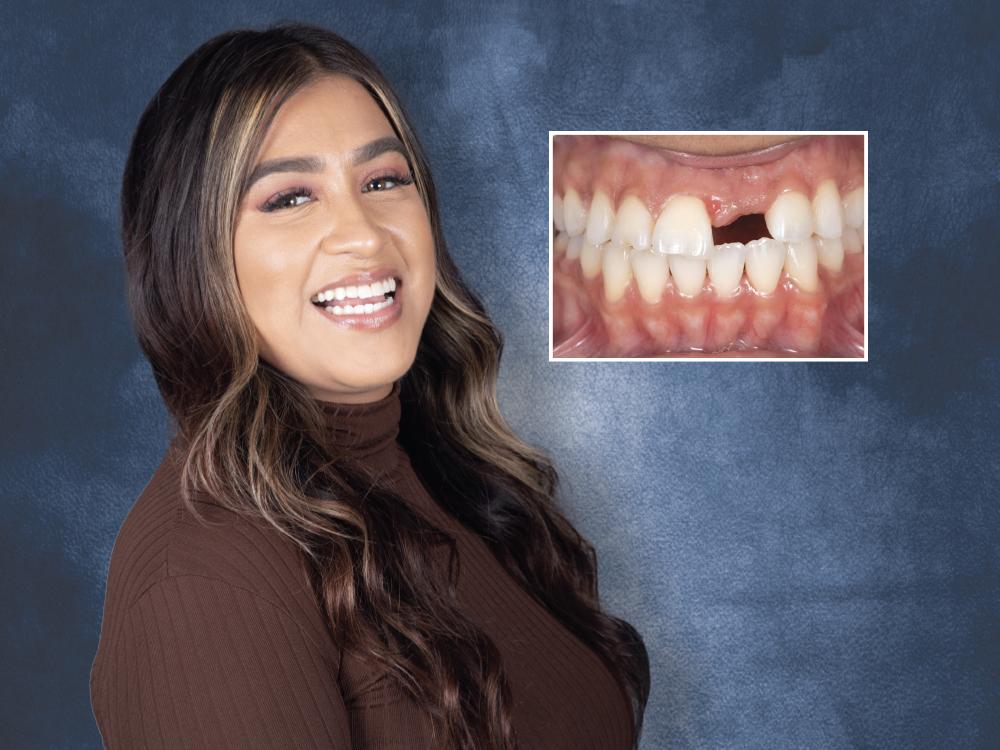
When a Dental Bridge Is the Right Answer
Bridges are well-suited to specific situations:
- Adjacent teeth already need crowns — if the teeth on either side of a missing tooth gap already need crowns for other reasons (decay, large failing fillings, fractures), incorporating them into a bridge effectively gives you three problems solved in one procedure.
- Inadequate bone for an implant — patients with significant bone loss who would otherwise need extensive grafting before an implant placement may find a traditional bridge the more practical solution.
- Medical conditions that complicate implant surgery — patients on certain bisphosphonate medications, with certain bleeding disorders, or with other medical complications may not be ideal implant candidates.
- Timeline-sensitive situations — bridges can be completed in 2–3 weeks; implants take 4–7 months total because of healing time. For a pre-wedding or pre-event timeline that doesn’t accommodate implant healing, a bridge gets you to a finished restoration faster.
- Budget considerations — a traditional bridge often costs less than an implant + crown for replacing a single tooth, though the long-term cost picture is more complex (bridges typically need replacement every 10–15 years; implants typically last decades).
When a Dental Implant Might Be Better
Implants have advantages that traditional bridges don’t — they preserve the bone at the missing tooth site, they don’t require modifying healthy adjacent teeth, they typically last much longer than bridges, and they’re easier to clean and maintain.
If the teeth on either side of the gap are perfectly healthy and don’t need crowns for any other reason, the case for dental implant replacement gets stronger — a bridge would require modifying those healthy teeth to support the bridge, which is real tooth structure removal. If you’re young and the replacement needs to serve you for many decades, implants typically outperform bridges in long-term economics. If bone health is good and there’s no surgical contraindication, the implant becomes the more durable long-term answer. We talk through both options at every missing-tooth consultation, give you honest cost projections for the long term, and let you make the informed decision.
Dental Bridge Types We Offer
Several bridge configurations serve different cases:
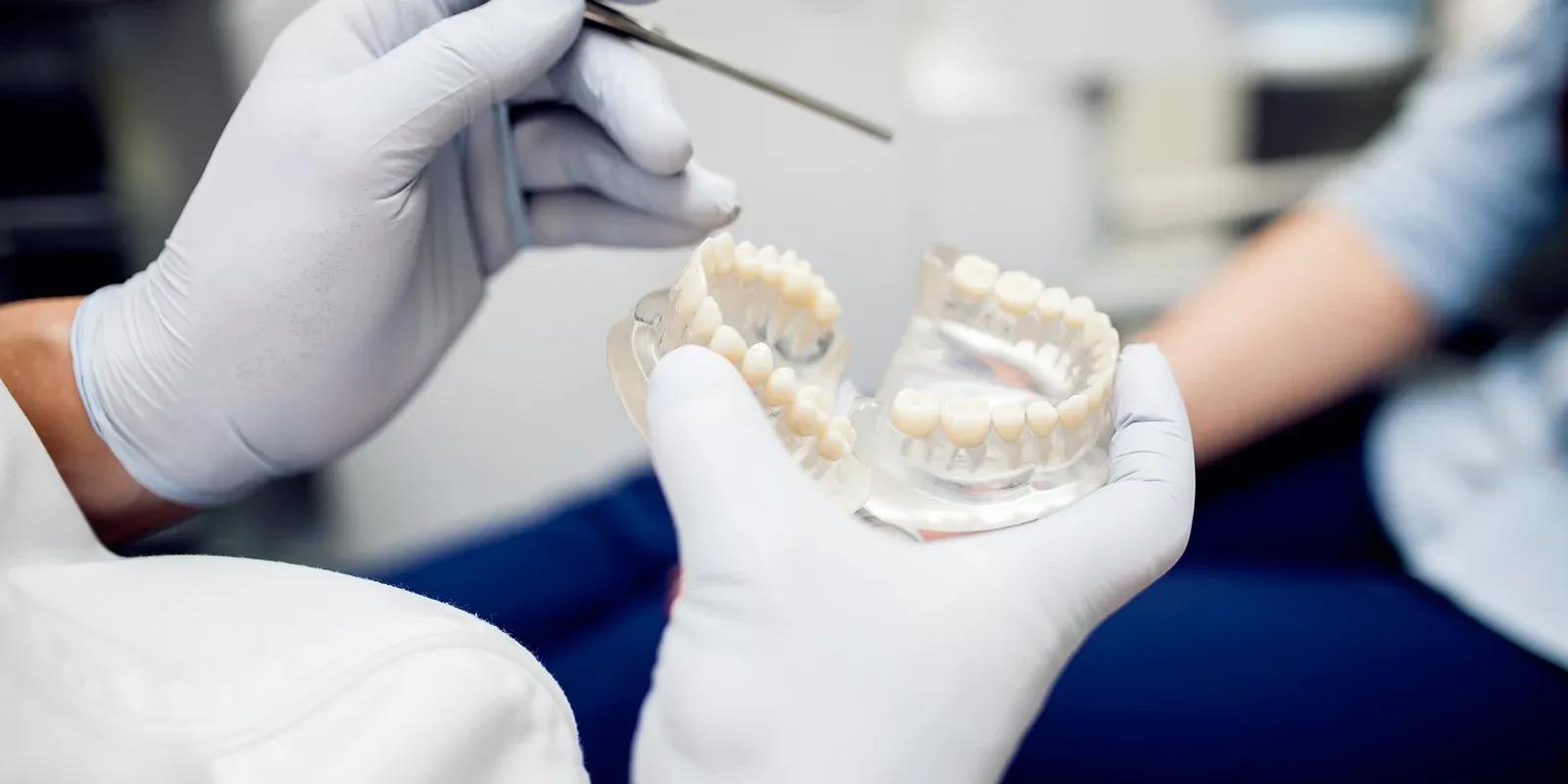
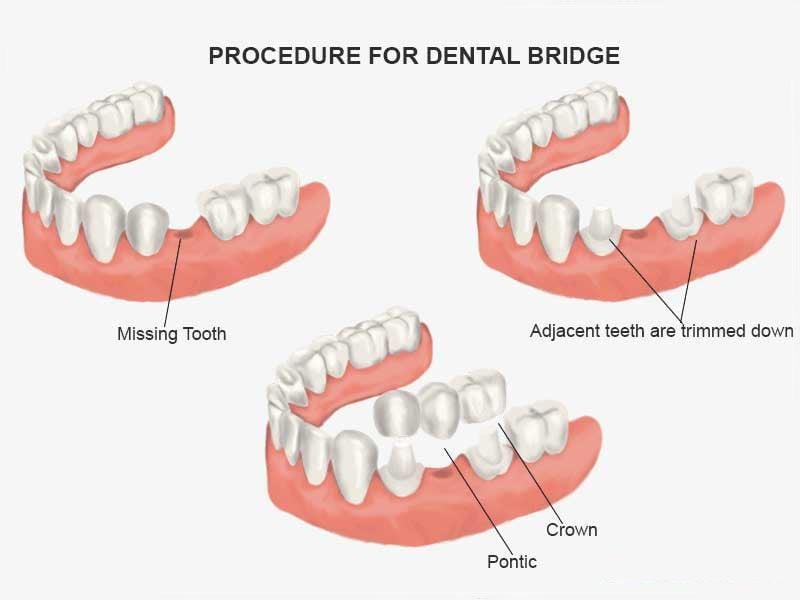
- Traditional fixed bridges — the most common type. Two crowns on the teeth adjacent to the gap, with a false tooth (or teeth) suspended between them. Cemented permanently in place.
- Implant-supported bridges — for cases where multiple adjacent teeth are missing, two implants can support a bridge of three or four teeth — dramatically more conservative than placing an individual implant for each missing tooth, while still preserving the bone.
- Cantilever bridges — supported on only one side rather than both sides. Used in specific situations where there isn’t a healthy tooth available on both sides of the gap.
- Maryland (resin-bonded) bridges — a more conservative bridge type that uses a metal or porcelain framework bonded to the back surfaces of the adjacent teeth without requiring full crowns. Best for front-tooth replacement in certain cases where preserving the adjacent tooth structure is a priority.
A Few Dental Bridge Cases We’ve Seen in Wilmington (Anonymized)
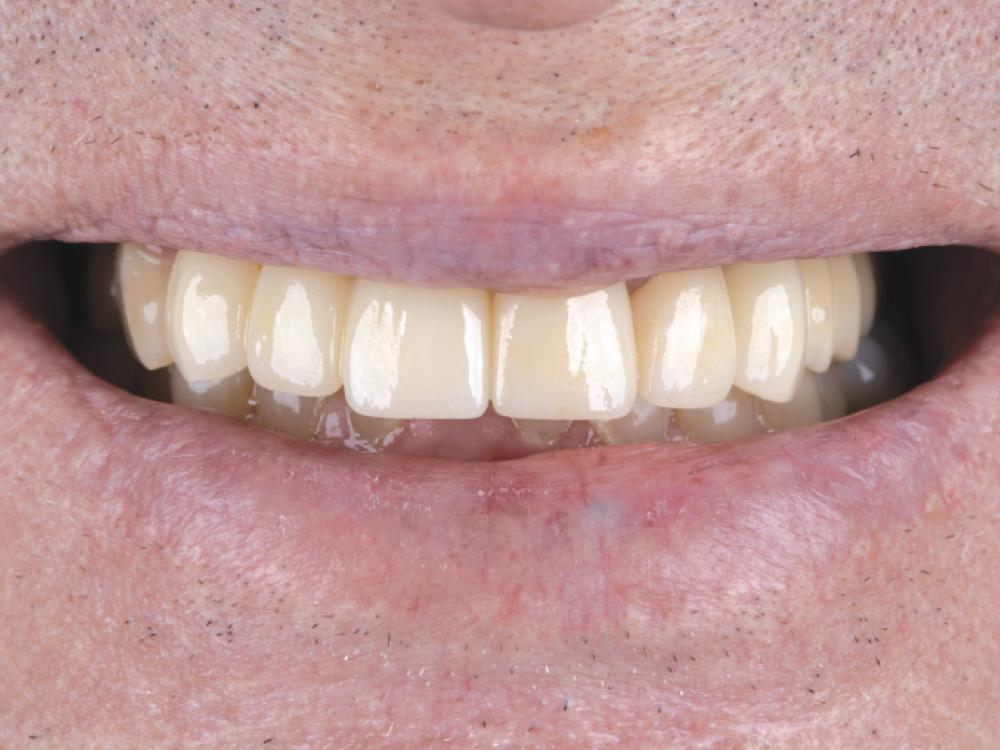
The Mayfaire patient who chose a traditional bridge over an implant
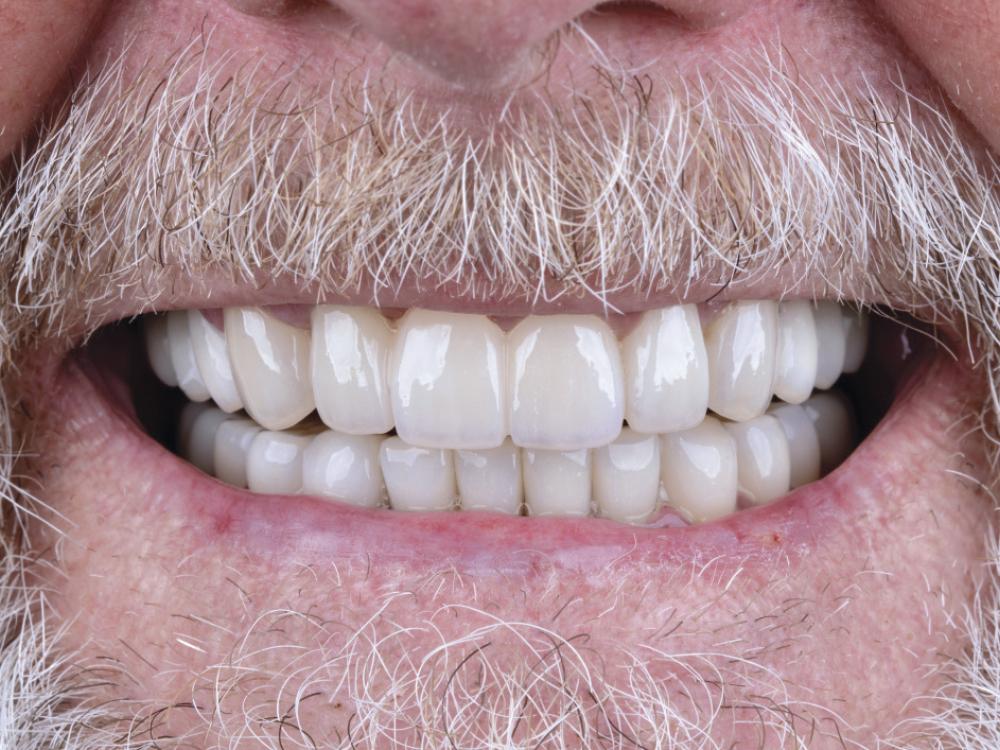
Missing an upper-bicuspid for several years after a long-failed root canal. The teeth on either side of the gap both had large old fillings that were starting to fail and would have needed crowns within a year or two regardless. Implant would have meant placing one implant plus eventually crowning the two adjacent teeth as separate procedures — three total restorations over several years. A three-unit bridge solved all three teeth in one procedure: crowns on both adjacent teeth providing the foundation, with the false tooth suspended between them filling the gap. Total cost around $4,500, completed in three weeks. Five years out, all three restorations are functioning well.
The Hampstead patient with three missing adjacent teeth
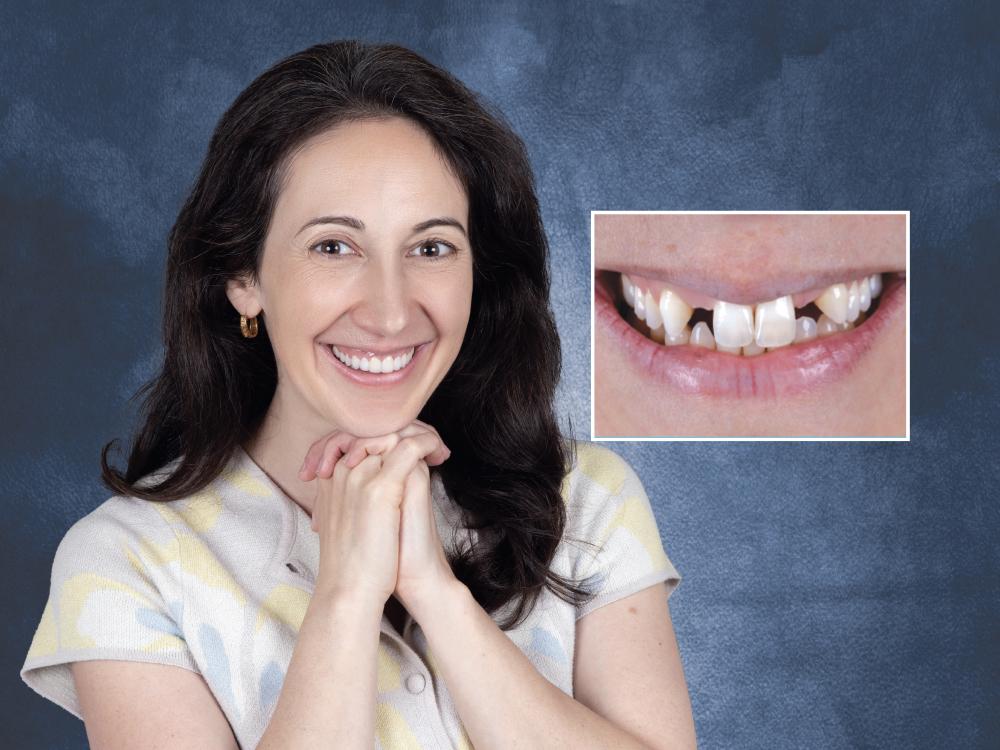
Three adjacent lower teeth missing for over a decade, with the patient using a removable partial denture she’d come to hate. Wanted a fixed solution but had moderate bone loss in the area that made placing three individual implants impractical without significant grafting. We placed two implants strategically, supported a four-unit fixed bridge between them, restored function and aesthetics without the partial denture and without the extensive grafting and three-implant cost. Total project around $11,000, completed over five months. She told us afterward that getting rid of the partial denture was the single most life-improving dental work she’d ever had done.
The Ogden patient with a missing front tooth on a tight timeline
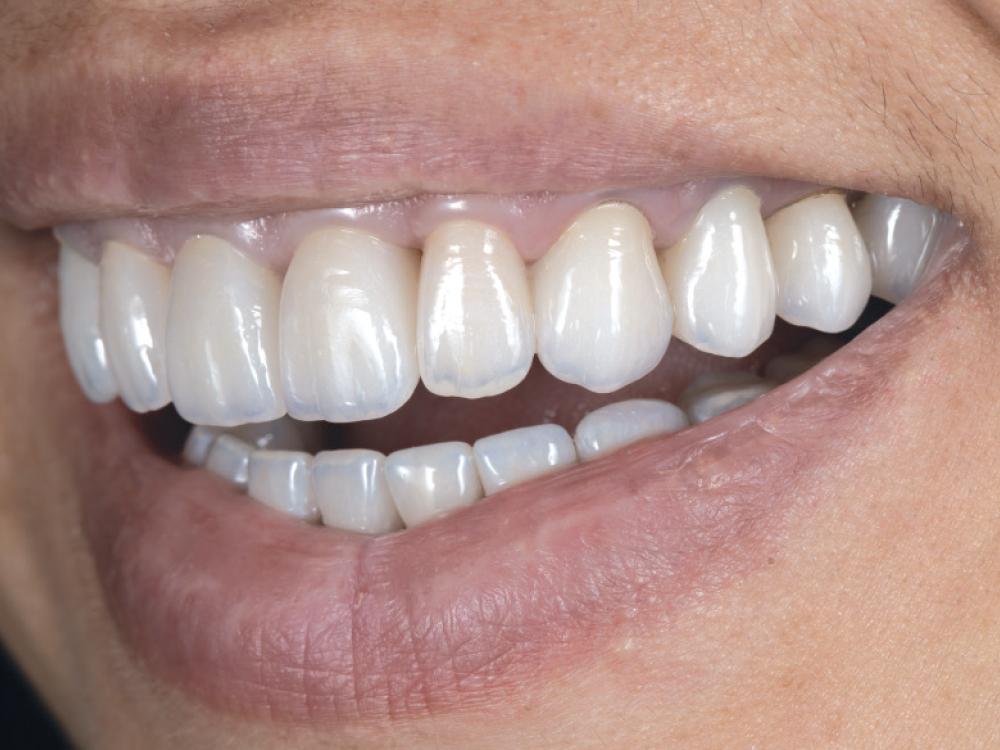
Lost an upper-front tooth in a bike accident three months before her wedding. Implant timeline would have meant a temporary flipper through the wedding photos and the actual implant restoration completed afterward. She wanted something permanent before the wedding. Traditional three-unit fixed bridge across the front teeth, completed in just under three weeks, delivered the permanent restoration with the wedding still six weeks out. Adjacent teeth were healthy and would normally have argued for an implant, but the timeline argued otherwise. We talked through the long-term trade-offs honestly; she chose the bridge consciously, with full information.
What the Dental Bridges Process Actually Looks Like
For a traditional fixed bridge: initial consultation and treatment planning (about an hour, including imaging), preparation visit where the adjacent teeth are shaped to accept the bridge and impressions are taken (typically 90 minutes), temporary bridge placed while the permanent one is fabricated at a dental lab (typically 2–3 weeks), delivery visit where the temporary is removed and the permanent bridge is fitted and cemented in place. Most cases involve 2–3 visits over 2–4 weeks total.
For implant-supported bridges, the process is longer because the implants need to heal and integrate with the bone before the bridge can be attached. Plan for 4–7 months from consultation to finished restoration. The longer timeline reflects the time the implants need to fully bond with the bone before they’re put under chewing load.
Cost of Dental Bridges in Wilmington
Traditional fixed dental bridges at our Wilmington office run $2,500–$6,000 depending on the number of teeth involved, the materials used (all-porcelain, porcelain-fused-to-metal, or zirconia), and the case complexity. A typical three-unit bridge replacing one missing tooth between two healthy adjacent teeth runs about $3,000–$4,500.
Implant-supported bridges run higher because of the implant component. A two-implant, four-unit bridge typically runs $12,000–$18,000 total (two implants at $3,000–$5,500 each, plus the bridge restoration). The trade-off is significantly longer durability and preservation of underlying bone.
Most dental insurance plans cover bridges as major restorative procedures, typically at 50% after the deductible up to the annual maximum. Coverage for implant-supported bridges varies more between plans. We verify your specific coverage before treatment. Sunbit financing is available for larger cases.
Dental Bridges FAQs — Frequently Asked Questions
How much does a dental bridge cost in Wilmington?
Traditional fixed bridges run $2,500–$6,000 depending on the number of teeth involved and the materials used. A typical three-unit bridge runs $3,000–$4,500. Implant-supported bridges run higher because of the implant component — typically $12,000–$18,000 for a two-implant four-unit bridge.
How long does a dental bridge last?
Traditional fixed bridges typically last 10–15 years with proper care. Implant-supported bridges typically last longer — 20+ years — because they don’t depend on the long-term health of natural support teeth.
Is a bridge better than an implant?
Neither is universally better — depends on the case. Bridges work well when the adjacent teeth already need crowns, when bone or medical conditions complicate implants, or when timeline matters. Implants typically last longer, preserve bone better, and don’t require modifying healthy adjacent teeth. We walk through the comparison honestly at every consultation.
How long does it take to get a bridge?
Traditional fixed bridges: 2–4 weeks across 2–3 visits. Implant-supported bridges: 4–7 months total because of implant healing time.
Will the adjacent teeth be damaged by the bridge?
Traditional fixed bridges require the adjacent teeth to be prepared (shaped down) to accept crowns. This is real tooth structure modification — a meaningful consideration. When the adjacent teeth are perfectly healthy and don’t otherwise need crowns, this argues for an implant solution instead. When the adjacent teeth already need crowns for other reasons, the bridge becomes the more practical answer.
Can I get a bridge if I’ve had teeth missing for years?
Often yes, depending on the condition of the bone and the remaining teeth. Long-term tooth absence causes the bone in the area to resorb (shrink), and adjacent teeth may have drifted into the empty space. We assess these factors at the consultation and tell you what’s realistic for your specific case. Sometimes pre-treatment is needed (orthodontic repositioning of adjacent teeth, gum work, etc.) before the bridge can be placed.
Does insurance cover dental bridges?
Most dental insurance plans cover bridges as major restorative procedures, typically at 50% after the deductible up to the annual maximum. Coverage for implant-supported bridges varies more between plans. We verify your specific coverage before treatment.
How do I clean a bridge?
Regular brushing on the bridge surface plus a special floss threader (or water flosser) that lets you clean under the false-tooth portion of the bridge where regular floss can’t reach. We teach the specific technique at the bridge delivery visit and at every six-month cleaning visit afterward.
Local Areas We Serve in and Around Wilmington
Our Wilmington office is conveniently located off Market Street, making it easy to get here from Ogden and the Mayfaire area. We also welcome patients from nearby communities like Leland and Hampstead, as well as Porters Neck, Wrightsville Beach, Downtown Wilmington, Monkey Junction, Castle Hayne, and Carolina Beach.
- Ogden
- Mayfaire
- Leland
- Hampstead
- Porters Neck
- Wrightsville Beach
- Castle Hayne
- Carolina Beach
- Downtown Wilmington
- Monkey Junction
book your Dental Bridge Consultation in Wilmington
If you’re missing one or more teeth and trying to decide between a bridge and an implant, the consultation is the right starting point. We evaluate your specific case, walk through both options honestly, and help you make the decision that fits your circumstances and your timeline. Book online or call (910) 377-6453.
Request More Information About Dental Bridge in Wilmington
Fill out this short form and a member of our Willington team will contact you to answer your questions and help you schedule dental bridges consultation.
Schedule Today!
We look forward to meeting you. Call (910) 377-6453 or request an appointment online to set up your first visit. We’ll be in touch soon.
O2 Dental Group of Wilmington
Monday:
Tuesday:
Wednesday:
Thursday:
Friday:
Saturday:
Sunday:
8:00am – 6:00pm
8:00am – 6:00pm
8:00am – 6:00pm
8:00am – 6:00pm
CLOSED
CLOSED
CLOSED
